
Last updated November 22, 2026
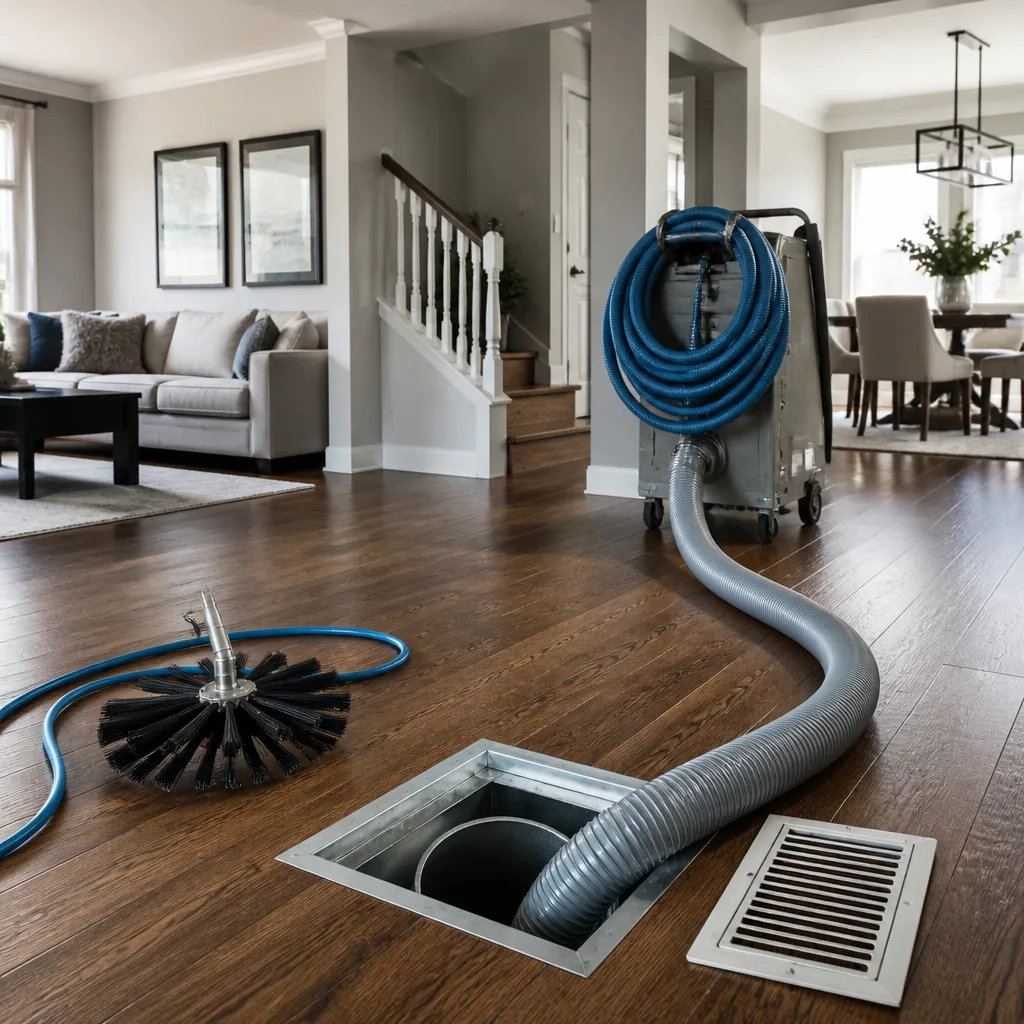 Whole-home duct cleaning
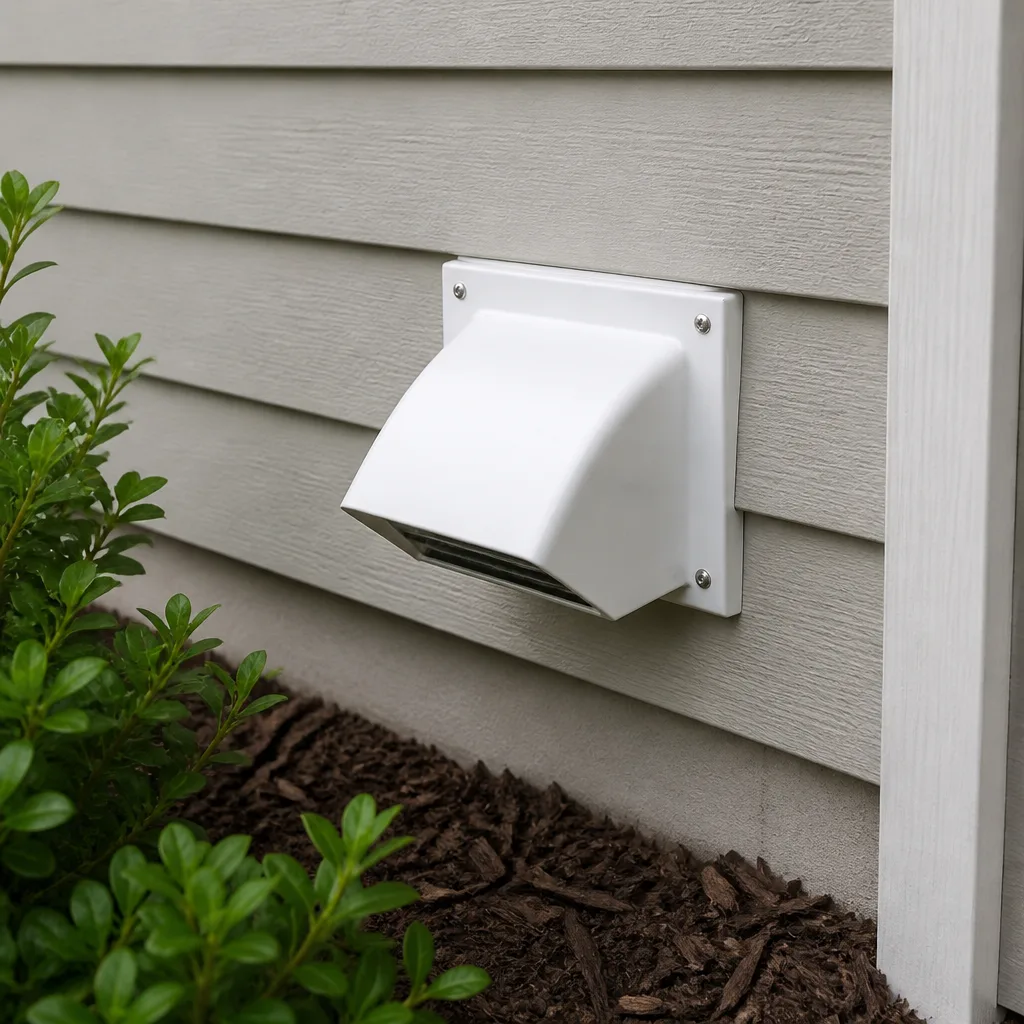 Dryer vent cleaning
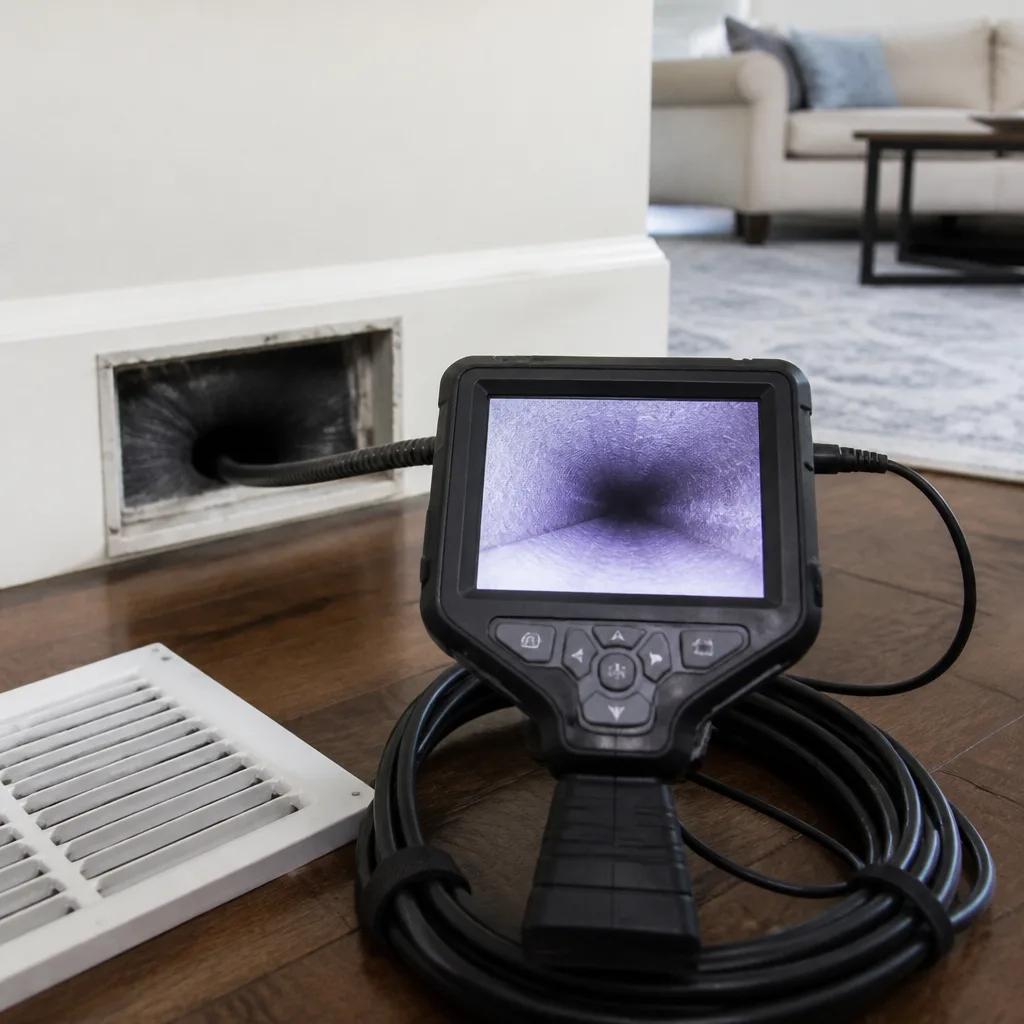 Camera inspection
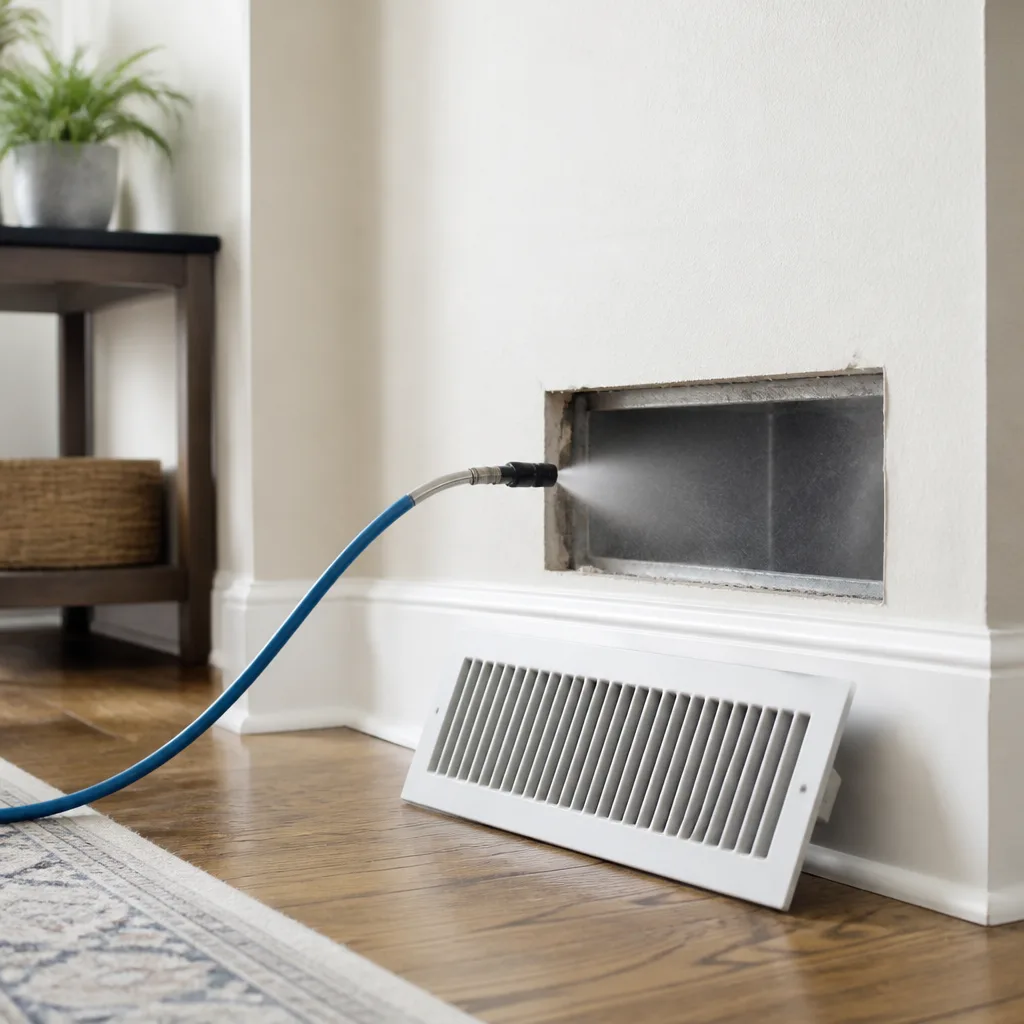 Sanitizing & deodorizing
Whole-system duct and dryer vent check with before-and-after photos - you see exactly what came out of your vents
That "$99 whole-house special" is a bait ad - the real number appears once they are in your hallway, or the "clean" is a shop-vac at the register. We photograph the inside of your ducts before and after instead.
Air Duct Cleaning Cost Breakdown: The Eagle Rock Homeowner’s Reference for 2026
The cheapest duct cleaning quote you will find in Eagle Rock is usually a door-opener, not a price. It gets a technician inside your home, and the real conversation starts after they head to the attic and report mold, a collapsed run, or contamination that suddenly needs an upsell to fix. The number on the phone was never meant to be the number on the invoice. This guide pulls the pricing apart line by line so you can read a quote the same way the contractor who wrote it does: what is included, what is quietly excluded, what equipment is actually being used, and where the honest cost of a full job comes from in 2026.
Quick Answer
A legitimate full-service air duct cleaning in Eagle Rock in 2026 typically runs $400 to $900 for an average home, with most single-family houses landing in the $500 to $700 range. That figure covers the whole air-handling system, including the return side, not just the supply vents. Quotes far below that range are almost always built by trimming scope, and the written estimate you sign should itemize every part of the job before work begins.
Styles & brands we work with
- Whole-home duct cleaning
- Dryer vent cleaning
- Camera inspection
- Sanitizing & deodorizing
Table of Contents
- Flat-Rate vs. Per-Vent Pricing: Which Model Gives You a Real Invoice
- The 2026 Line-Item Cost Breakdown for Eagle Rock
- What Drives Price Variation in Eagle Rock Homes
- The Return Side: The Most Contaminated Part and the Most Commonly Skipped
- What a Complete Invoice Looks Like vs. a Vague One
- Equipment and Scope: Why Two Quotes for the “Same Job” Aren’t the Same
- How Often You Actually Need It in Eagle Rock
- The Questions to Ask Before You Sign Anything
Flat-Rate vs. Per-Vent Pricing: Which Model Gives You a Real Invoice
Per-vent pricing is the model most homeowners have seen, and it produces the least predictable invoice. You are quoted a small figure per register, and suddenly the count matters more than the work. A house with twenty vents and a house with ten vents can be quoted almost the same line, which tells you the number was never tied to the labor or the contamination. Worse, per-vent pricing creates a built-in reason to add vents mid-job once the technician is standing in your hallway with a clipboard.
Whole-system flat-rate pricing works differently. The contractor inspects the system, counts the runs, looks at the return ducts, notes the equipment, and quotes one price for the complete job. That price does not move because a register turned out to be dusty. In our experience, the flat-rate model produces a far more accurate final invoice for typical Eagle Rock home sizes, because the quote is built around the system rather than the visible count of grilles.
Here is how the two models behave in practice:
- Per-vent quoting: anchor price per register, unlimited add-ons, return side often excluded, final invoice typically higher than the original number.
- Whole-system flat-rate: one inspected price for supply, returns, and the air handler, agreed before the technician starts, no per-vent math.
The reason we quote per system is simple: dust does not distribute evenly across vents. The trunk line and return plenum carry most of the deposit, and a per-vent model lets a contractor clean the easy registers and leave the heavy sections untouched. A flat price for the whole system removes that incentive entirely. If you compare two quotes and one is priced per register while the other is priced per system, you are not comparing the same job.
The 2026 Line-Item Cost Breakdown for Eagle Rock
This is the part most quotes leave out. A line-item breakdown is what separates a real estimate from a number someone made up. Below are the typical 2026 Eagle Rock market ranges for each component, so you can see where the money is actually going on your invoice.
| Line Item | Typical 2026 Range | What It Covers |
|---|---|---|
| Base air duct cleaning (whole system) | $350 – $650 | Supply runs, trunk lines, plenums, and the air handler cabinet, using professional rotary brush and negative-air equipment. |
| Return duct cleaning | $75 – $200 | The return side, often the most contaminated section; frequently excluded from budget quotes. |
| Dryer vent cleaning (dedicated) | $100 – $225 | A fire-safety service, separate from air-quality work; includes lint removal through the full exhaust path. |
| Sanitizing application | $75 – $200 | Post-clean antimicrobial treatment using products like Guardsman-grade protection, applied after debris removal. |
| Duct sealing / repair | $150 – $500+ | Addressing leaks, disconnected joints, or torn flexible duct; quoted by severity and accessibility. |
| Camera inspection | $50 – $150 | Before-and-after documentation of the duct interior, useful when contamination is suspected but not visible. |
Add those line items together for a typical Eagle Rock house and you land in the $500 to $700 range for a full job, which is exactly why a $49 or $99 advertised price should raise a flag. That figure covers a fraction of the base service and none of the add-ons. The written estimate should list each line you are buying, and the final price is the estimate, not a moving target. For a fuller look at what a whole-system clean involves, see our air duct cleaning page.
What Drives Price Variation in Eagle Rock Homes
Two houses on the same street can carry quotes $200 apart, and it is almost never about square footage alone. Several physical realities of Eagle Rock housing stock affect how much labor, equipment, and time a job requires.
Attic duct access in hillside homes
Many Eagle Rock houses sit on sloped lots, and the ductwork often runs through a low-clearance attic or a cramped crawlspace rather than a generous utility chase. Tight access means a technician spends more time setting up containment and routing equipment, which shows up in the labor line. A quote that ignores access is a quote that will change once the technician is on site.
Two-story systems
A two-story home typically has longer runs, more registers, and often a second air handler or a zoned system. More connected components means more cleaning time and a larger base-cleaning line. This is where per-vent quotes can look deceptively low, because the return runs and the second handler are often not counted.
Original galvanized vs. flexible duct
Older Eagle Rock homes sometimes still have original galvanized metal ducting, which holds deposits differently and can have joints that need resealing. Newer flexible duct can be faster to clean but is also easier to damage with the wrong equipment, so it requires a gentler rotary approach. The duct material drives both the method and the price.
System age and condition
An older system may have disconnected joints, crushed sections, or leaks that need repair before cleaning is even worth doing. If your ducts are leaking, the cleaning removes surface debris but the system keeps pulling outside air back in. That is why we approach duct repair and sealing as part of indoor air quality work, not a separate upsell.
The Return Side: The Most Contaminated Part and the Most Commonly Skipped
If you only remember one thing from this guide, make it this: the return side is where the worst contamination lives, and it is the first thing a budget quote drops. The return duct pulls air back into the system from your living space, which means it carries the full load of dust, dander, and whatever the filter does not catch. It is also the hardest section to reach and the easiest to leave off a quote.
Here is how to tell whether a quote excludes the return side:
- The word “vents” appears, but “returns” does not. A quote that only mentions supply registers is pricing half the system.
- The price is suspiciously round and low. A number that cannot cover the return run and the air handler is not a whole-system price.
- No mention of the air handler cabinet. The air handler itself collects debris and needs to be cleaned as part of the job.
- The quote says “all vents cleaned” without naming the system components. Vague scope language hides skipped sections.
When we quote a job, the return side and the air handler are part of the base cleaning, not an add-on. Our HVAC cleaning work treats the entire air-handling system as one connected unit, because that is how the air actually moves through your home. If a contractor tries to charge return cleaning as an extra line after the base price, you have found your answer about how the original number was built.
What a Complete Invoice Looks Like vs. a Vague One
The invoice tells you whether the work was priced honestly. A complete, honest invoice itemizes every service performed, lists the components cleaned, and matches the written estimate you signed before work began. If you can point to the line where the return ducts were cleaned and the line where the sanitizing was applied, you received a real invoice.
A vague invoice does the opposite. It says “full cleaning” and gives one number. It might list a total and nothing else. It offers no record of which components were addressed, no before-and-after documentation, and no way for you or a future contractor to verify what was done. “Full cleaning” without itemization is a red flag, not a simplification. The word “full” is doing the work that itemization should be doing.
- Honest invoice: itemized line items, component list, before-and-after photos, price matching the written estimate.
- Vague invoice: one lump sum, “full cleaning” language, no component detail, no visuals, no way to confirm scope.
Before-and-after photos of your own ducts are the single best proof that the work happened. If a contractor cannot show you what changed, you have no evidence the heavily soiled sections were touched at all. This is also where professional equipment shows: rotary brush systems and HEPA-grade containment equipment produce visibly cleaner duct interiors, which makes the documentation trustworthy.
Equipment and Scope: Why Two Quotes for the “Same Job” Aren’t the Same
The gap between a $99 quote and a $600 quote is not profit margin. It is the equipment in the van, the number of components being cleaned, and whether the job is built to actually remove contamination or just knock the dust off the visible grilles.
We use professional-grade duct-cleaning systems from Rotobrush and Nikro, the same class of equipment used in commercial and restoration work rather than consumer-grade machines. We also deploy Abatement Technologies equipment, which signals compliance-grade filtration and containment practices, meaning the debris we loosen gets captured instead of being redeposited into your home. That difference matters for anyone with allergy symptoms, musty odors, or dust that returns right after cleaning.
Scope is the other half of the equation. A complete job covers:
- Supply runs and trunk lines
- The return side and plenums
- The air handler cabinet
- Post-clean sanitizing where appropriate
- Duct repair and sealing if integrity issues are found
We also offer integrated air-quality products from Honeywell and Aprilaire, which extend the job beyond duct work to what occupants actually breathe. That is the difference between cleaning the vents and treating the whole air pathway. Our technicians have up to 14 years of experience working on systems that range from original galvanized ductwork to newer flexible runs, and the approach changes accordingly. If you want the technical detail behind that, our Air Duct Cleaning Eagle Rock overview covers the full service menu, and our dryer vent cleaning page explains why that job is treated as fire-safety work separate from air-quality cleaning.
How Often You Actually Need It in Eagle Rock
There is no universal calendar, and anyone who tells you a fixed number of years is guessing. The honest answer depends on the house, the filtration, and what the system is pulling in. That said, a few triggers reliably point to a real need rather than a sales pitch:
- Visible dust on registers or streaks on the ceiling near vents that return quickly after wiping
- Musty or stale odors when the system runs
- Allergy or respiratory symptoms that worsen at home
- Recent renovation, remodeling, or a major dust-generating project
- A new-to-you home where the duct history is unknown
Eagle Rock’s dry, dusty seasons and the pollen that blows through the hillsides during spring both push material into the return side over time. A house near a busy corridor or with pets will load faster than one that is sealed up and filtered well. Rather than guessing, ask for a camera inspection if you are unsure. It is a small added line and it tells you whether cleaning is warranted now or whether you can wait.
Dryer vents are the exception to the “no fixed schedule” rule. Lint buildup in a dryer vent is a fire risk, not an air-quality issue, and it should be checked on a regular interval regardless of how the ducts look. If you have never had it inspected, that is the first call worth making.
The Questions to Ask Before You Sign Anything
A short, direct conversation before you sign will separate a real quote from a loss-leader. Ask these in order, and listen for concrete answers rather than reassurance.
- Is this price for the whole system or per vent? The answer tells you the pricing model immediately.
- Does the price include the return side and the air handler? If either is an add-on, the base number is incomplete.
- What equipment will you use? Look for professional rotary and negative-air systems, not a shop vac and a brush.
- Will I get before-and-after photos of my own ducts? Documentation is proof of scope.
- Is the price I just heard the price I will pay, agreed in writing? The written estimate sets the final price.
- What happens if the inspection finds a leaking or disconnected duct? You want to know repair is available and quoted separately, not improvised on site.
Any contractor who can answer those six questions clearly is likely building an honest quote. Anyone who resists itemization is telling you something too.
Common Mistakes to Avoid
- Treating the lowest number as the final number. A quote that cannot cover the return side, the air handler, and real equipment is not a cheaper version of the same job, it is a different, smaller job, and the invoice grows once the technician arrives.
- Accepting “full cleaning” with no itemization. In Eagle Rock, where duct layouts vary from compact ranches to two-story hillside homes, the components matter more than the label. Demand a line for each part of the system.
- Assuming all quotes cover the same scope. Two contractors quoting the “same” cleaning can differ by the return ducts, the plenum, and sanitizing. Compare line by line, not on the total alone.
- Skipping the camera inspection when you are unsure. A small inspection line is far cheaper than cleaning a system that did not need it, or postponing one that did.
- Ignoring duct leaks before cleaning. Cleaning a leaking system leaves the root cause in place. Repair and seal first, then clean.
- Forgetting the dryer vent entirely. It is fire-safety work, separate from air-quality cleaning, and it is easy to overlook when you are focused on the HVAC system.
- Signing without the written estimate. The number should be agreed before work starts, not after, and the written estimate sets the final price.
See the difference
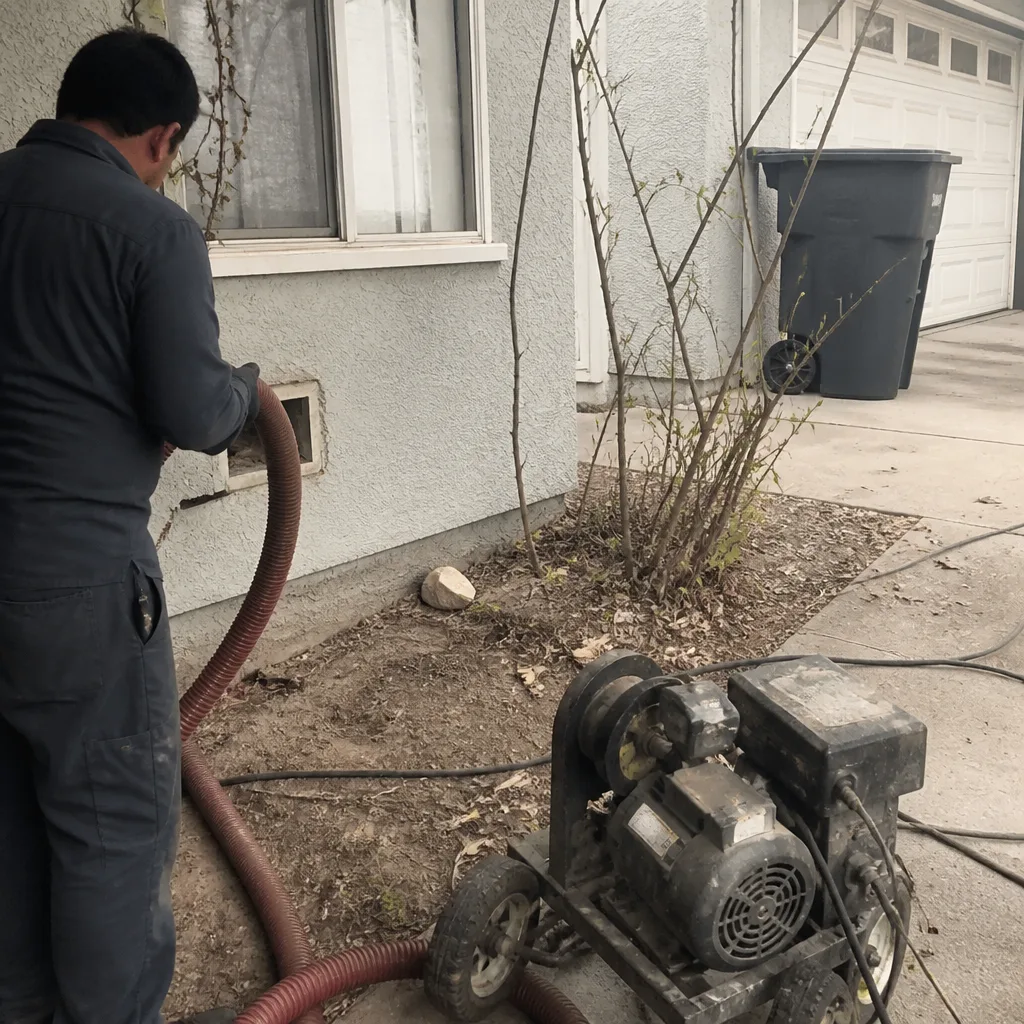 Before
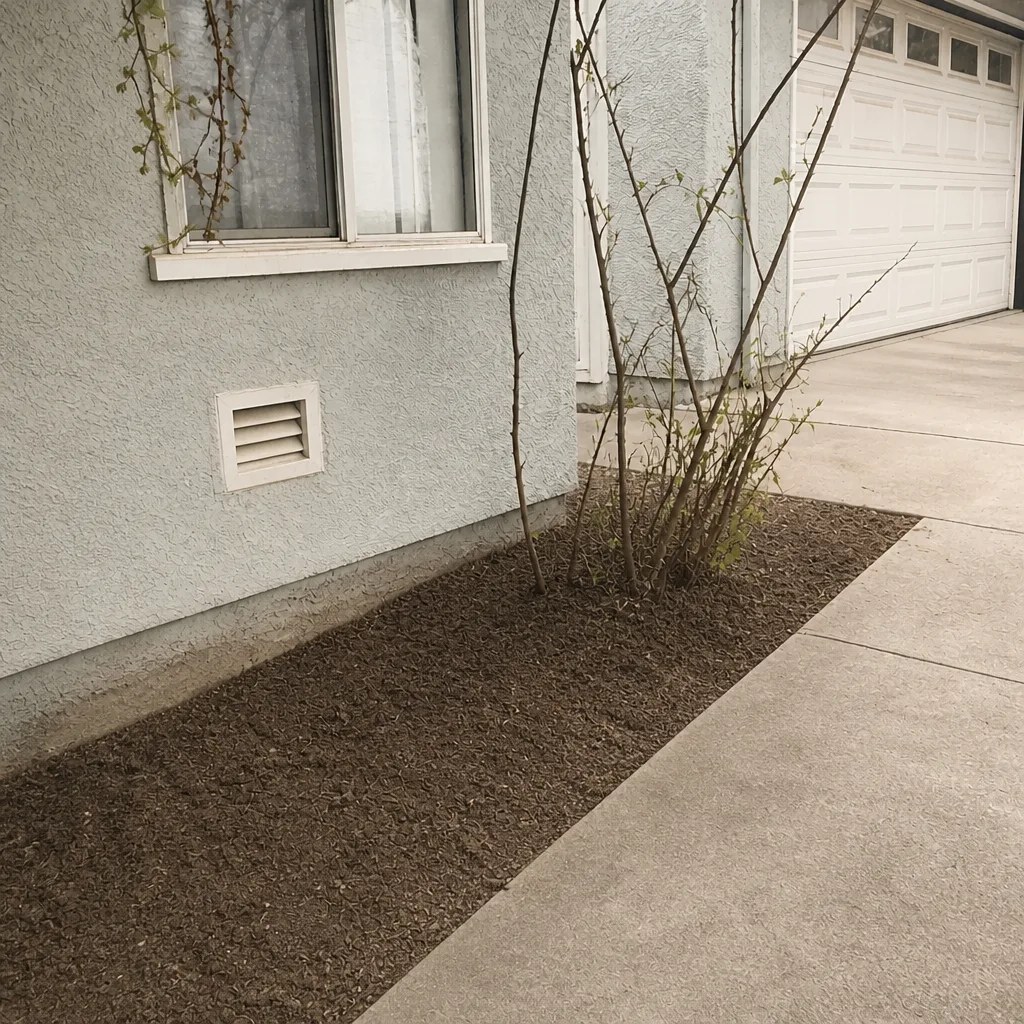 After
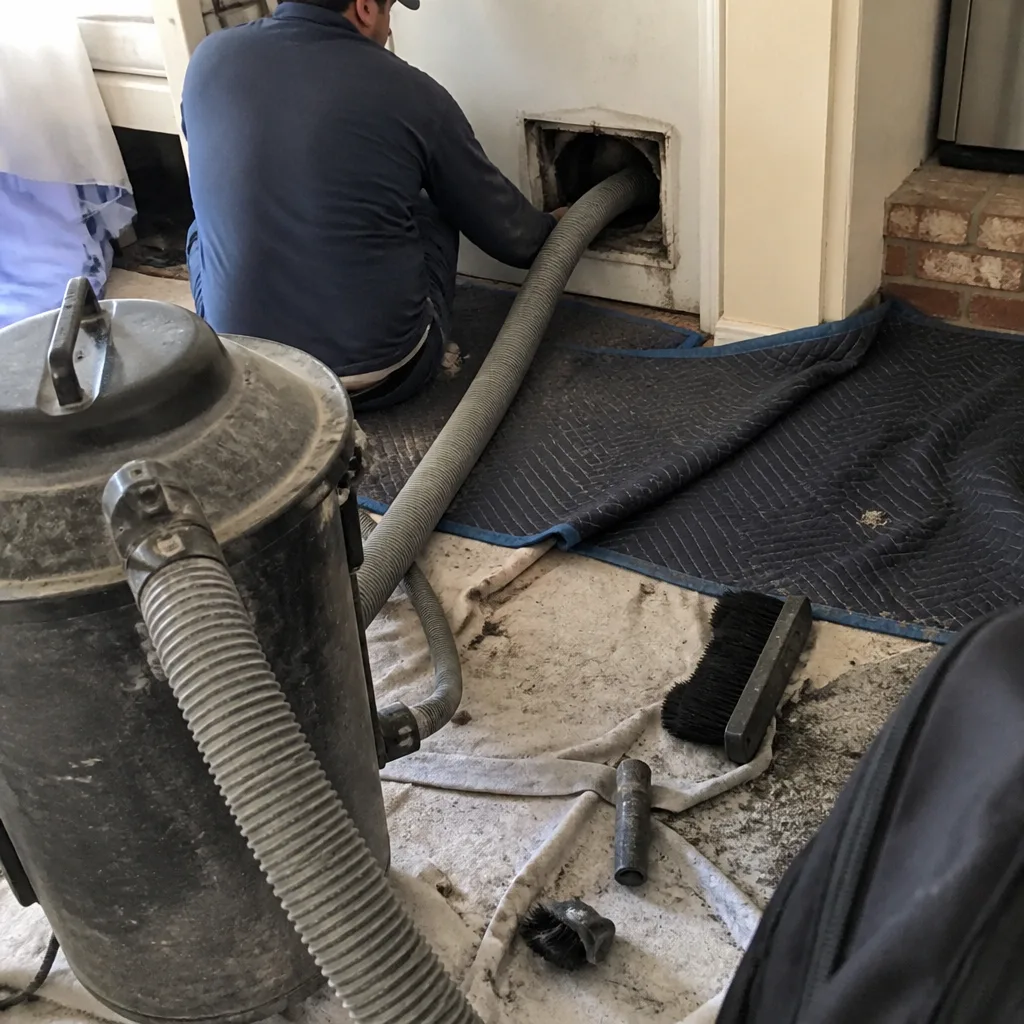 Before
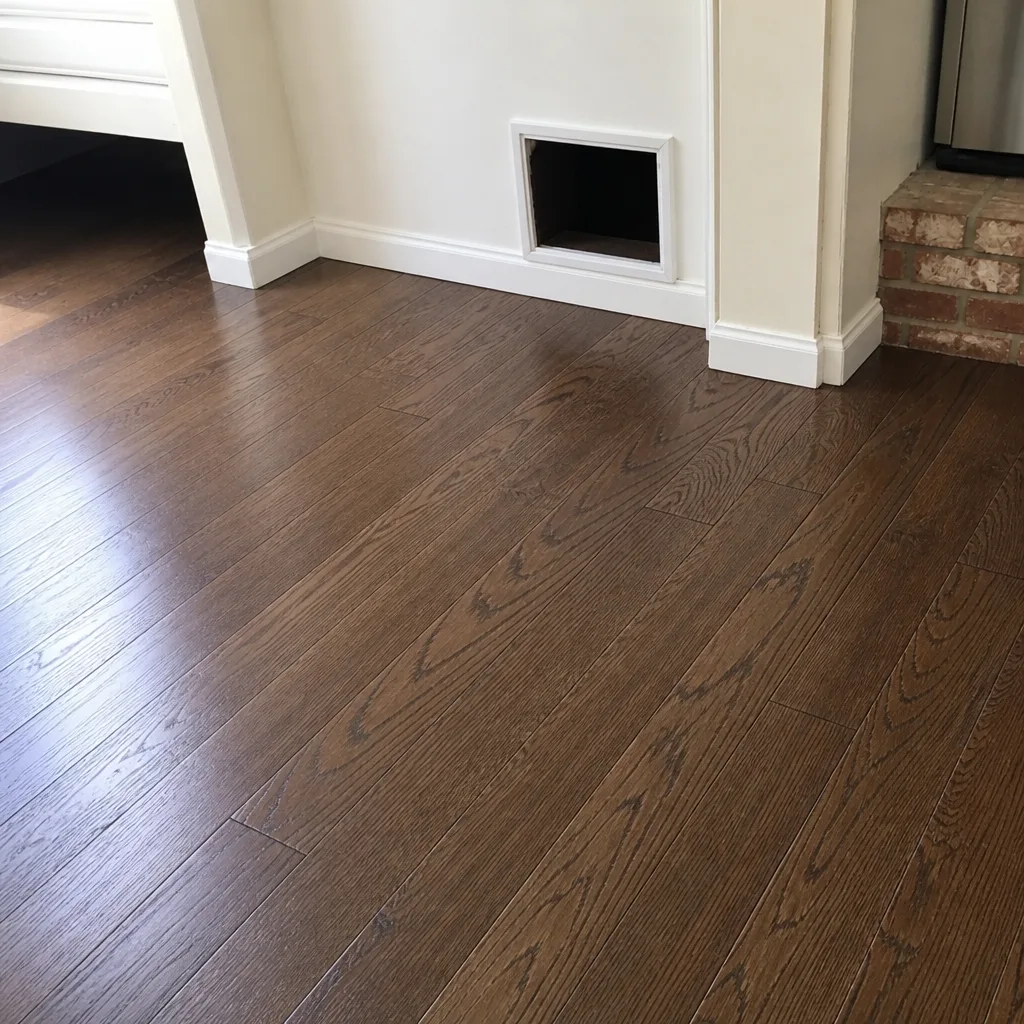 After
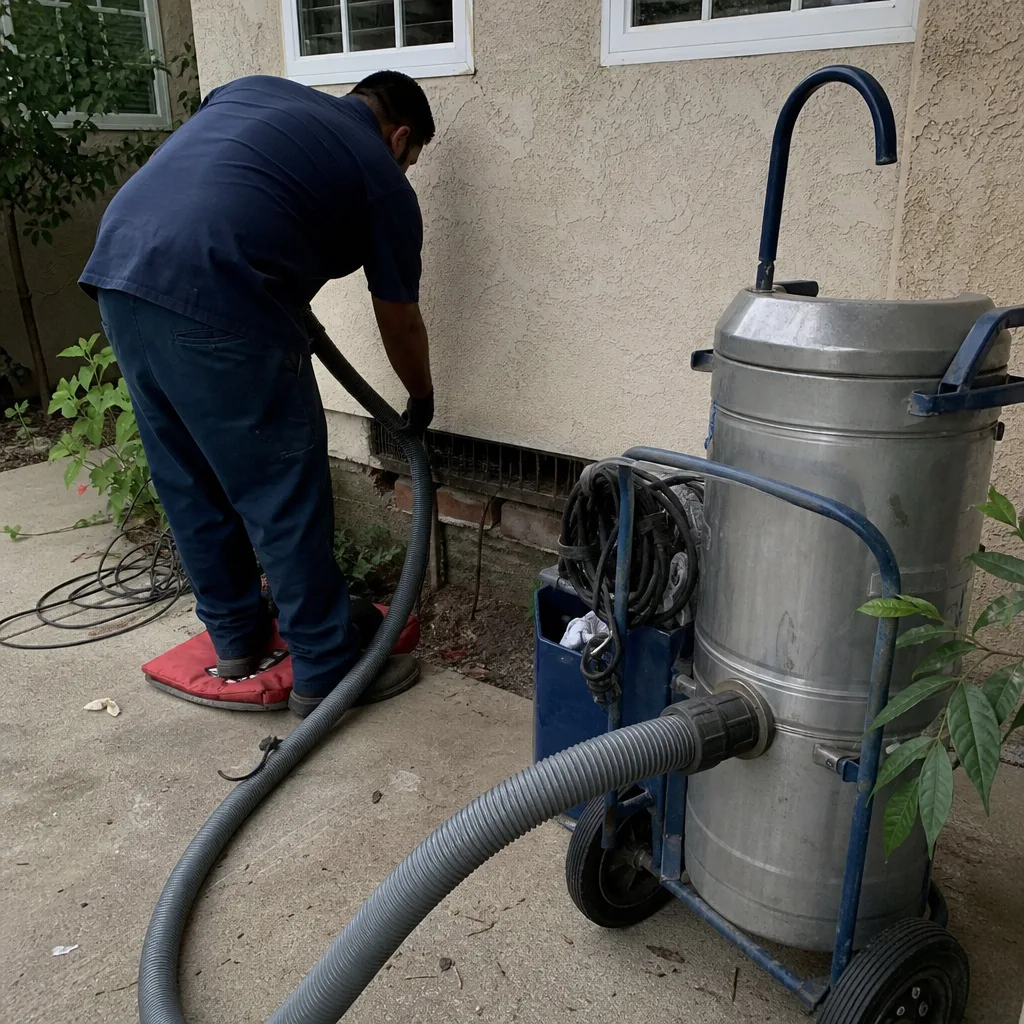 Before
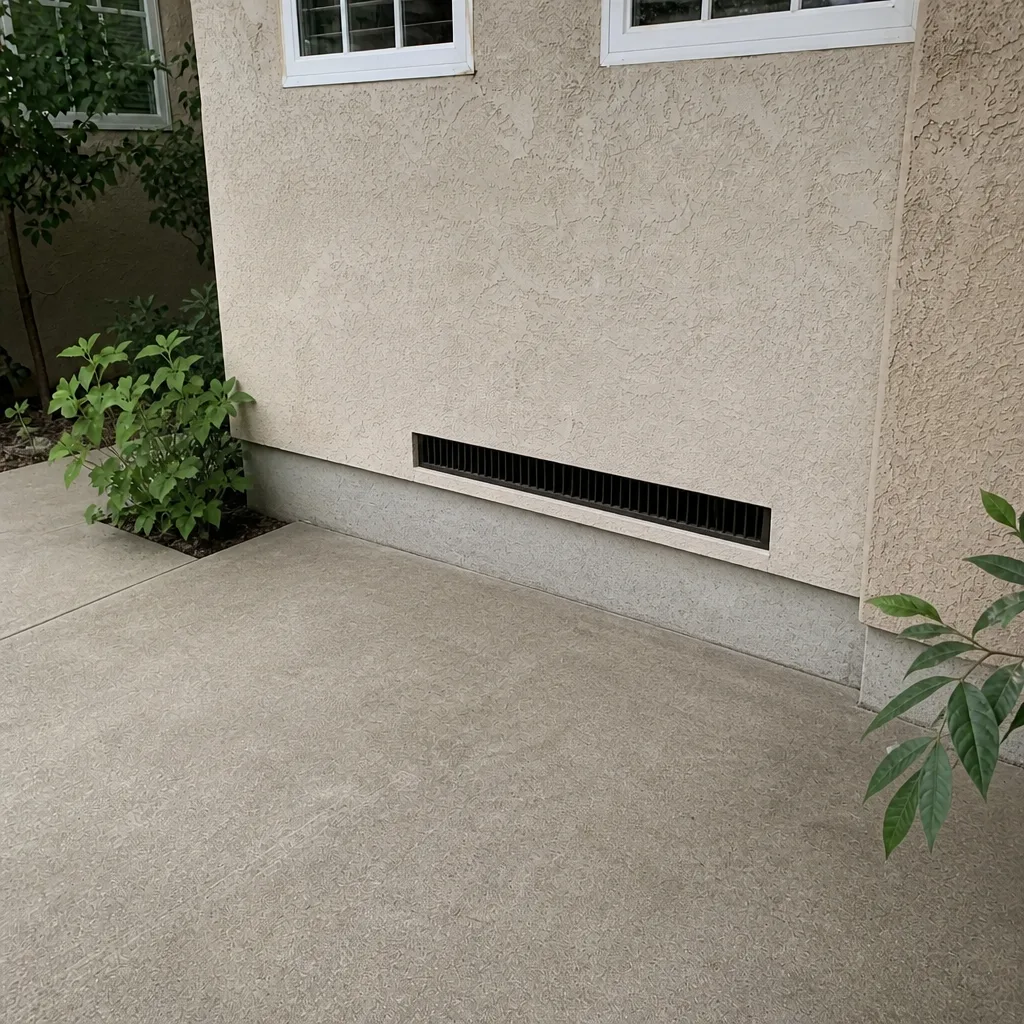 After
When to Call a Professional
Call when you see dust returning within days of wiping, when musty odors follow the system, when a household member’s symptoms track with time spent at home, or when you have moved into a home with unknown duct history. Call if you have remodeled, if you hear rattling or feel weak airflow from certain registers, or if a flexible run looks torn or disconnected. Dryer vents deserve a call on a regular interval whether or not anything looks wrong, because lint buildup is invisible until it is not. Air Duct Cleaning Eagle Rock offers free estimates in Eagle Rock, and the estimate is set per job in writing before any work begins, with before-and-after photos of your own ducts as part of the service. Call (855) 683-8612. We answer 24/7. Fast dispatch from 7am to 7pm, Sunday through Friday.
Frequently Asked Questions
A full-service air duct cleaning in Eagle Rock typically runs $400 to $900 in 2026, with most homes landing around $500 to $700. That range covers the whole system, including the return side and air handler. Call (855) 683-8612 for an exact quote based on your system, and estimates are free.
Cheap quotes leave work out: usually the return ducts, the air handler, professional equipment, and any documentation of what was done. The low number gets a technician inside, and the real invoice grows once add-ons are presented on site. Ask every contractor to itemize the job before you sign. Call (855) 683-8612 for a flat price per system agreed in writing.
You know because you receive before-and-after photos of your own ducts and an itemized invoice that matches the written estimate. In our experience, that combination is the clearest proof that the heavy sections were cleaned and not just the visible registers. Ask for it up front. Call (855) 683-8612 to schedule a free estimate.
There is no single interval that fits every Eagle Rock home. Homes with pets, recent remodeling, visible dust returning quickly, or musty odors need cleaning sooner, while well-filtered homes can go longer, and a camera inspection removes the guesswork. Call (855) 683-8612 to talk through your system.
It should. The return side is usually the most contaminated section of the system and the most commonly excluded from budget quotes, so a complete price includes it along with the air handler cabinet. Confirm both are listed in the written estimate before work starts.
No. Dryer vent cleaning is a dedicated, fire-safety service kept separate from air duct cleaning, and it covers the length of the dryer exhaust path rather than the HVAC ducts. It is priced as its own line. Call (855) 683-8612 to add it to your estimate.
The Bottom Line
Air duct cleaning in Eagle Rock in 2026 is a $400 to $900 job when priced honestly, and the difference between a low quote and a real one is scope, equipment, and whether the return side is included. Whole-system flat-rate pricing gives you a stable invoice; per-vent pricing hides what is left out. Demand an itemized written estimate, ask which components are covered, and expect before-and-after photos of your own ducts. The price is set per job by the written estimate, and our technicians have up to 14 years of experience working on the range of systems found across Eagle Rock. If a quote cannot survive those questions, it was never meant to be the final number.
Ready to get a real price? Call (855) 683-8612 for a free estimate.
Written by the team at Air Duct Cleaning Eagle Rock.