
Last updated November 22, 2026
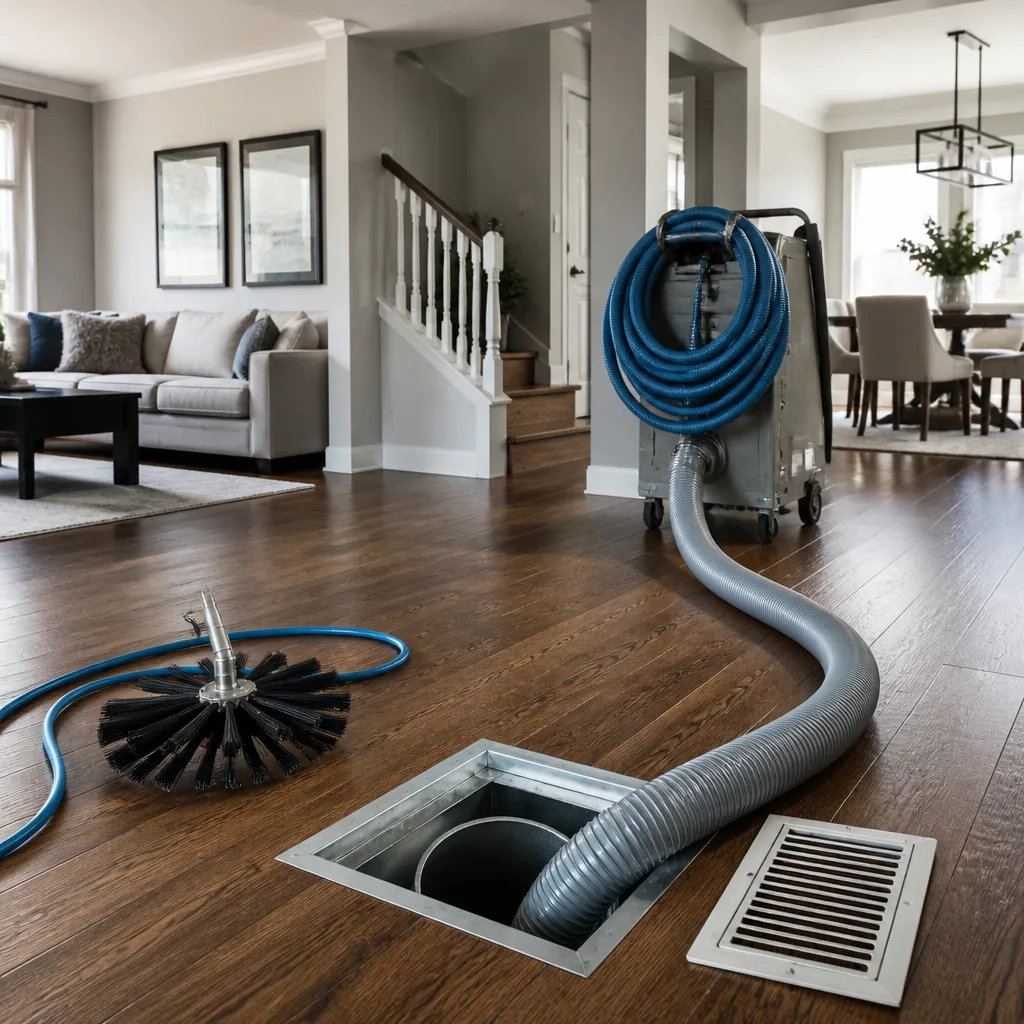 Whole-home duct cleaning
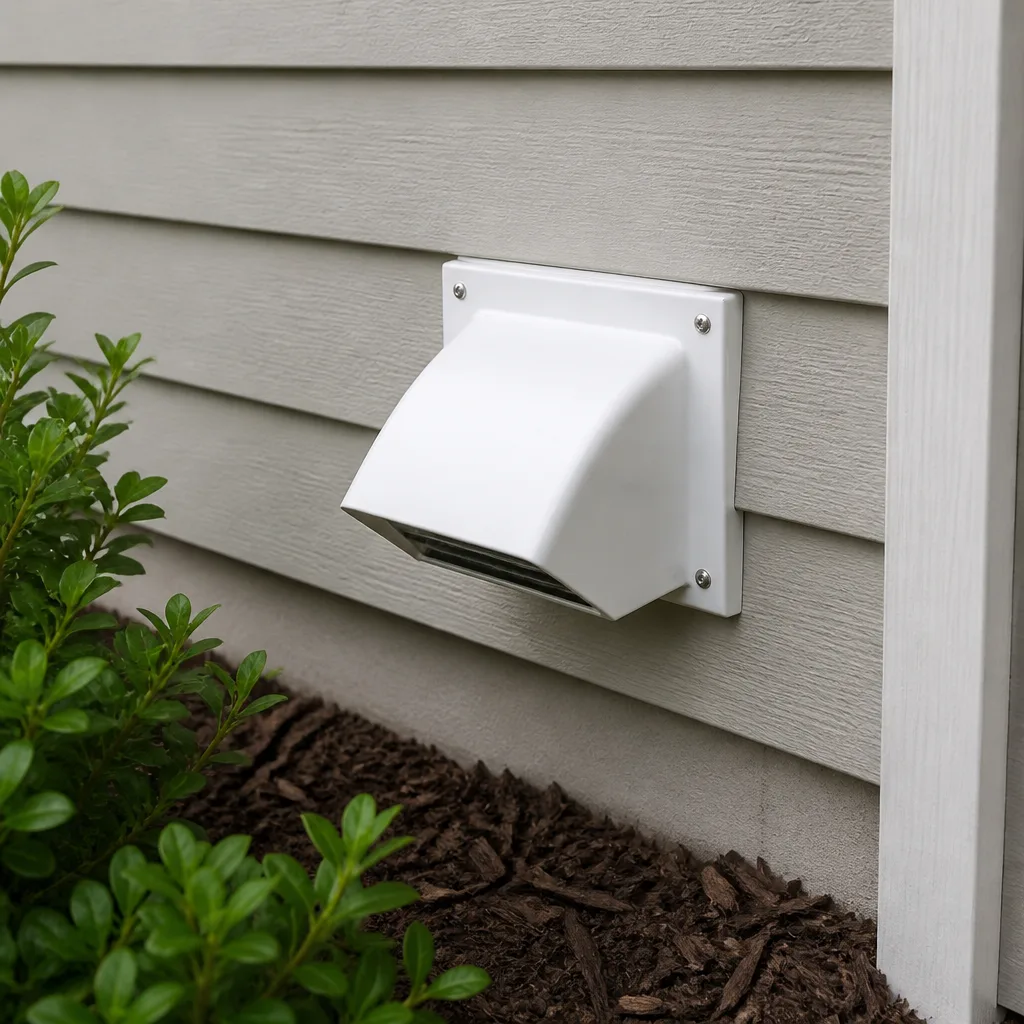 Dryer vent cleaning
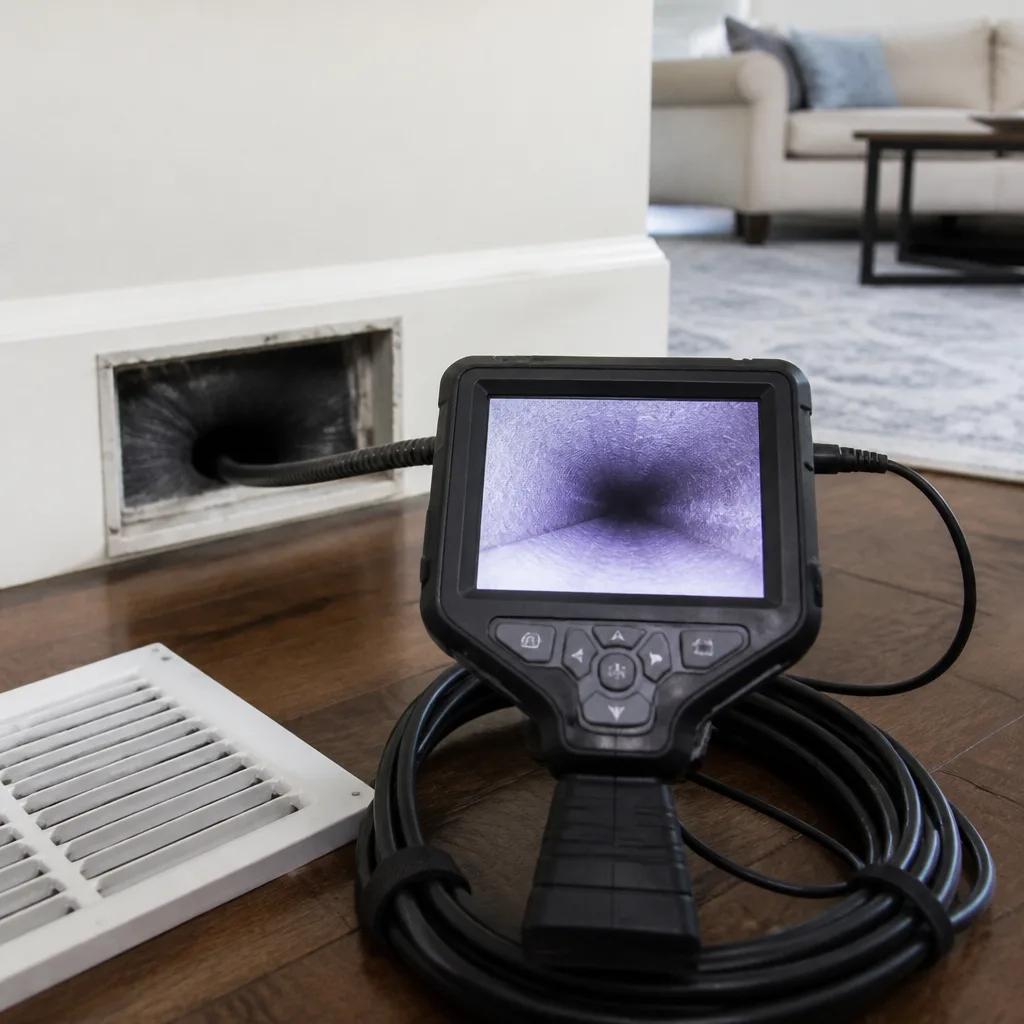 Camera inspection
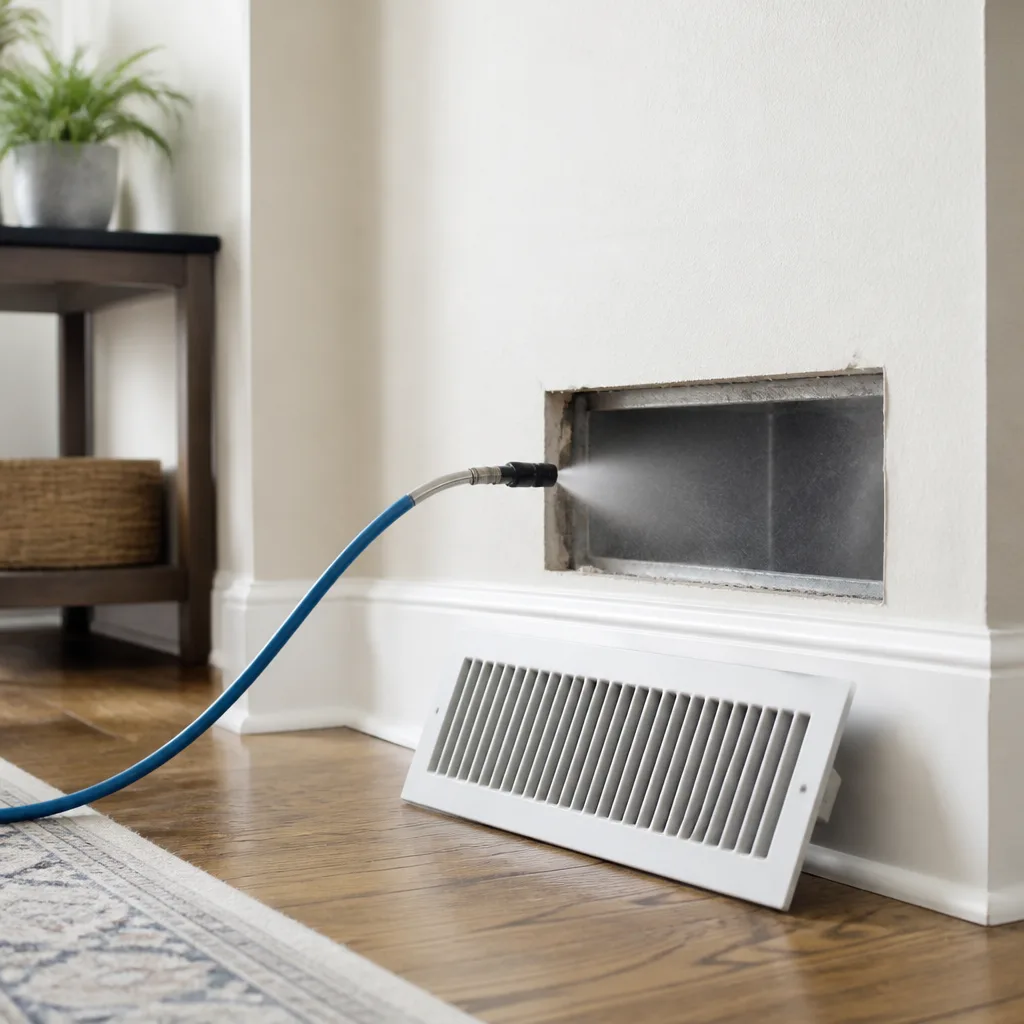 Sanitizing & deodorizing
Whole-system duct and dryer vent check with before-and-after photos - you see exactly what came out of your vents
That "$99 whole-house special" is a bait ad - the real number appears once they are in your hallway, or the "clean" is a shop-vac at the register. We photograph the inside of your ducts before and after instead.
The Complete Guide to Air Duct Cleaning in Eagle Rock
Most people think a duct cleaning is either done or it isn’t. That’s the misconception this guide is built to correct. A vacuum-only pass through the vents can actually make things worse before it makes them better: if the system isn’t contained under negative pressure and the leaks aren’t sealed afterward, loose debris gets stirred up and blown straight back into the rooms you were trying to clean. Real duct cleaning in Eagle Rock is a sequence, not a single step, and the steps only work when they happen together. Below we walk through what’s actually involved, why hillside homes here hit contamination patterns you won’t see on flat land, and how to read a service report so you know the work was real.
Quick Answer
Air duct cleaning in Eagle Rock is a whole-system process: source-removal cleaning under negative pressure, sealing of leaks in the ductwork and air-handler cabinet, and sanitizing, in that order. Any one step alone leaves the job incomplete. The order matters because cleaning without sealing lets the system pull debris back in through gaps, and sanitizing without cleaning just coats the dirt. Done together, the three steps are what separates a system that stays cleaner for years from one that looks fine for a few months and then returns to where it started.
Styles & brands we work with
- Whole-home duct cleaning
- Dryer vent cleaning
- Camera inspection
- Sanitizing & deodorizing
Table of Contents
- Why Eagle Rock Ducts Get So Dirty
- What Whole-System Cleaning Actually Means
- Negative Pressure and Professional Equipment: What It Does
- Source Removal vs. Contact Vacuum Cleaning
- Why Cleaning Without Sealing Is Incomplete
- The Full Process, Step by Step
- How to Read a Post-Service Report
- How Often Should You Clean Your Ducts?
Why Eagle Rock Ducts Get So Dirty
Eagle Rock’s geography does something to ductwork that flatland neighborhoods don’t have to deal with. The neighborhood climbs into hills, and a lot of the housing stock dates from the 1940s through the 1960s. Those two facts together create a specific contamination profile.
Older homes here were often built before ducted central air was standard, which means many systems were retrofitted decades later. Retrofits tend to run ductwork through tight attic and crawl spaces with more joints, more transitions, and more site-built connections than a factory-designed system, and every one of those joints is a potential leak. Hillside lots also push outdoor air through gaps in ways that flat lots don’t, drawing dust and pollen in along the paths of least resistance.
Then there’s Santa Ana wind season. Those dry, fast-moving autumn winds carry fine particulate through the region and into every unsealed penetration in a house. During a strong Santa Ana event, a home with leaky return ducts is essentially pulling airborne grit into the air handler and coating the inside of the system with it. That grit then recirculates all winter. Hillside homes in the hills above Colorado Boulevard catch more of it than you’d expect, because wind moving across an elevation change accelerates and picks up more material along the way.
The result, in our experience across Eagle Rock, is that duct contamination here often looks like a mix: fine windblown dust as a base layer, older construction debris in retrofitted runs, and in homes with pets or smokers, whatever the household itself contributes. Each layer needs the right equipment to remove, which is why a shop-vac approach falls short.
What Whole-System Cleaning Actually Means
Whole-system cleaning means treating the air handler, the supply plenum, the return plenum, the trunk lines, the branch runs, and every register as one connected unit. That’s the standard, and it’s what most low-bid services skip.
Here’s what typically gets cleaned by a limited-scope service: the visible register grilles, a wipe of the nearest duct joint, and maybe a vacuum pass at the return. Here’s what whole-system cleaning covers:
- The air-handler cabinet, including the blower compartment and the evaporator coil area (with the coil cleaned appropriately or flagged for a separate aeration and cleaning step)
- The return plenum and all return trunks down to the registers
- The supply plenum and every supply trunk and branch
- The duct interior surfaces, cleaned with rotary agitation and contact vacuuming
- The registers and grilles, removed and cleaned
The difference isn’t cosmetic. Debris that stays in the plenums or in the branch runs simply migrates back into the parts that were cleaned. A system that’s half-cleaned redistributes that remaining debris with every air cycle. We clean the system, not just the vents, because the system is what pushes air through the house 24 hours a day. The air duct cleaning work on a whole system takes longer and costs more than a vent wipe-down, but it’s the only version that changes what’s actually circulating in an Eagle Rock home.
Negative Pressure and Professional Equipment: What It Does
Negative pressure is the whole ballgame in duct cleaning. It’s what makes the difference between removing debris and redistributing it.
Negative pressure means the duct system is kept at a lower air pressure than the rooms around it while cleaning happens. Any loose debris stays inside the ducts and gets pulled toward the vacuum source instead of puffing out of the registers. When the system isn’t put under negative pressure, the rotary brush dislodges material that then finds its way into the living space through gaps in the ductwork or open registers. That’s the mechanism most cheap duct cleanings skip, and it’s why a poorly contained job can leave your air measurably dustier for a few days afterward.
Real negative pressure requires real equipment. Consumer vacuums and shop-vac rigs simply can’t move enough air volume to hold a 2,000-square-foot home’s duct system at negative pressure against the return air paths. Professional-grade equipment is engineered specifically for this. We use Nikro and Rotobrush equipment, plus Abatement Technologies filtration and containment equipment for higher-demand jobs. Abatement Technologies equipment is built for compliance-grade filtration and containment work, which is the same standard used in remediation. That’s the tier of tooling duct cleaning actually needs. A shop-vac rig, by comparison, can agitate dust but cannot contain it under the kind of suction that holds a whole system negative, and it isn’t built to filter what it pulls out.
The practical comparison comes down to three things:
- Air volume. Professional negative-pressure units move enough cubic feet per minute to hold a connected duct system at a pressure differential throughout the job. A shop-vac doesn’t come close.
- Filtration. Professional equipment routes exhausted air through high-efficiency filtration so debris doesn’t re-enter the room. Shop-vacs exhaust straight back into the space they’re working in.
- Rotary agitation. Rotobrush rotary brush technology reaches the full interior of the duct run, not just the surface the nozzle can touch. A shop-vac hose can’t reach down a full duct run at all, much less scrub it.
Source Removal vs. Contact Vacuum Cleaning
These two terms get used interchangeably in the industry, and they shouldn’t be. They’re different methods, and only one of them satisfies the industry standard for a real cleaning.
Source removal cleaning means removing the accumulated debris from the source: the duct surfaces, plenums, registers, and air handler. It’s the standard set by the National Air Duct Cleaners Association (NADCA), the trade body that publishes the recognized cleaning standard, and it’s what a professional job is built around. Source removal combines negative pressure with mechanical agitation (rotary brushes, air whips, or contact vacuuming at the register) so the material is loosened and captured rather than just shifted around.
Contact vacuum cleaning means vacuuming the surfaces you can physically reach with a HEPA vacuum head, typically at the register and along the visible plenum. It’s useful, but it’s a method, not a full cleaning. On its own, contact vacuuming only treats what’s within arm’s reach of the technician. The deep branch runs and the far stretches of trunk line never get touched.
The NADCA standard calls for source removal throughout the connected system, not a contact-vacuum pass over the visible parts. If a quote describes “vacuuming your vents” or “a HEPA vacuum of the duct openings” and nothing else, it’s a contact-clean, not a source-removal clean. When we take on a job, the cleaning plan is built around source removal. That’s the only version that satisfies the standard.
Why Cleaning Without Sealing Is Incomplete
This is where most cleaning jobs quietly fall apart. Duct cleaning that skips sealing is a cleaning that leaves the system open to re-contamination from the moment the equipment is packed up.
A duct system with leaky joints is a filter working in reverse. Every gap in the return side pulls unconditioned, unfiltered air into the system. In an Eagle Rock hillside home, that air is carrying whatever the outdoor air is carrying, plus attic dust and whatever’s been sitting in a crawl space for years. Sealing those gaps changes the physics of the system. After a proper seal, the return path only pulls air in through the filter, which is the only air the system is supposed to ingest.
Sealing also fixes the problem cleaning doesn’t touch: air loss. A leaky supply duct loses conditioned air before it reaches the room, and a leaky return pulls in outside air the system then has to condition. Both show up as higher energy bills and rooms that never quite reach the thermostat setting. That’s a system-integrity issue, not a cleanliness issue, and fixing it means repairing and sealing the ductwork: mastic, foil tape, and in some cases duct-repair products designed for the material the ducts are made of. We approach duct cleaning and repair as connected steps, because cleaning a system and then leaving it leaky is fixing the symptom, not the cause.
A clean, sealed system gives you something measurable: less dust accumulating on surfaces between cleanings, fewer musty smells when the system first kicks on, and a system that holds its pressure better, meaning the air handler does less work to move the same air. Post-clean sanitizing with products like Guardsman-grade formulations finishes the job by treating the cleaned surfaces to help control microbial growth that can settle on duct interiors in humid pockets. It’s the last step, not the first, because sanitizing over uncleaned debris just seals the dirt in place.
If you’ve had a duct cleaning before and still notice a musty smell or dust returning quickly, the sealing step may have been skipped. That’s the pattern we see most often in Eagle Rock homes that were cleaned once and then saw the same problems come back within a year.
The Full Process, Step by Step
Here’s how a complete whole-system job runs, in order. The sequence matters as much as the steps.
- Inspection and layout. We start by mapping the system: locating the air handler, the supply and return plenums, every trunk and branch, and every register. We check for obvious damage, disconnected runs, and signs of moisture or pests, because those change the plan.
- Containment and negative pressure. The system is put under negative pressure with professional equipment, and containment is set up so any loose debris is captured, not released. Filtration is connected to the exhaust path so the air leaving the system is filtered on the way out.
- Register and grille removal. Registers are removed and cleaned separately, and the openings are connected to the negative-pressure path so the ducts stay contained during cleaning.
- Source-removal cleaning of the air handler and plenums. The air-handler cabinet, blower compartment, and both plenums are cleaned using contact vacuuming and specialized tools appropriate to each surface. Components that shouldn’t be wet-cleaned are treated appropriately.
- Source-removal cleaning of trunks and branches. Rotary brush equipment (Rotobrush rotary brush technology) and air-whip tools are run through each connected run to agitate and remove debris from the full interior surface, all while the negative pressure holds the loosened material.
- Verification pass. Every run and register opening gets checked before containment comes down, so the job is verified before the system is put back together.
- Repair and seal. Leaks at joints, transitions, and penetrations are repaired and sealed. This includes any disconnected or crushed runs found during inspection that are within the scope of duct repair.
- Sanitizing. The cleaned surfaces are treated with a Guardsman-grade sanitizing product, applied after cleaning and sealing.
- Register reinstall and system check. Registers go back on, the system is checked for airflow and pressure, and the job is documented.
The HVAC cleaning scope is part of the same job, treating the air handler and coil as connected to the ductwork rather than as a separate appliance. If you want that broken out as its own service, we cover HVAC cleaning in detail. The Air Duct Cleaning Eagle Rock process is the whole-system version described above. There’s also a separate service for dryer vent cleaning, which we handle as a fire-safety job rather than an air-quality one, because lint buildup in a dryer vent is a fire risk and the cleaning method is different from duct cleaning.
How to Read a Post-Service Report
A post-service report should let you verify what happened, not just confirm that a technician showed up. If you can’t tell from the report what was cleaned and how, the report isn’t doing its job.
The best evidence is photographs: before-and-after shots of the duct interiors, the plenums, and the air-handler cabinet. Interior photos show the surfaces inside the runs, not just the register. A photo of a clean register tells you nothing about the branch run 12 feet away. Ask for interior shots and compare them side by side.
Beyond photos, a useful report includes:
- System map or diagram. A layout showing every run that was cleaned, so you can verify nothing was skipped.
- Before-and-after conditions for each zone. Not one set of photos for the whole house, but coverage of each trunk and branch.
- Findings from the inspection. Any leaks, crushed runs, disconnected joints, or signs of moisture or pests noted during the pre-inspection, and what was done about them.
- Sealing and repair record. Where leaks were sealed and what material was used.
- Sanitizing record. Which product was used, and confirmation it was applied after cleaning.
- Post-clean airflow or pressure notes. A simple measurement or observation showing the system was operating normally at the end of the job.
If a service hands you a receipt with a single line item and no photos, that’s not a report, it’s a bill. Before the work starts, ask to see a sample of what the report will look like. The best companies will show it to you. The rest will stall, and that’s the answer you needed.
How Often Should You Clean Your Ducts?
There’s no universal number. Most homes in Eagle Rock do fine with a full cleaning every three to five years, with the actual interval depending on the house and the household.
Homes in the hills above Colorado Boulevard with older retrofitted systems tend to need it on the shorter end of that range, because the leaky joints and multi-joint runs catch more debris from Santa Ana wind season than a newer, tighter system does. Homes with pets, smokers, recent remodeling, or anyone with allergies or respiratory sensitivities also tend to need it more often. You can also go by what the system tells you rather than the calendar:
- Dust builds up on surfaces visibly faster than it used to, without a change in housekeeping.
- A musty or stale smell comes from the registers when the system first starts.
- You’ve recently finished a remodeling project, especially one that involved drywall or flooring work.
- You’ve moved into a home you don’t know the service history of.
- The system has visible debris around the registers or inside the return grille.
If any of those apply, the cleanup is the right step, and it’s worth doing the full version. A cleaning that covers the system plus sealing gives you a much longer reset than a vent-only clean. On the dryer vent side, the interval is separate and shorter. A dedicated fire-safety cleaning for the dryer vent is worth scheduling on a regular basis, because lint buildup doesn’t wait for a duct-cleaning cycle and it’s the leading cause of dryer fires.
Common Mistakes to Avoid
- Choosing the lowest quote without asking what’s in it. A low quote often means a contact-vacuum pass on the registers with no source-removal work on the branch runs. Ask exactly what equipment will be used and which parts of the system are covered.
- Letting a service clean without putting the system under negative pressure. A cleaning without containment can redistribute debris into living space. If the quote doesn’t mention negative pressure or containment, the job may not be contained.
- Skipping the sealing step. Cleaning a leaky system without repairing the leaks means the same contamination returns through the same gaps. In Eagle Rock’s hillside homes, seal your ducts at the same time or the cleaning is temporary.
- Accepting a report with no interior photos. Photos of the register don’t prove the branch run was cleaned. Ask for before-and-after photos of the duct interiors.
- Confusing dryer vent cleaning with air duct cleaning. These are separate services. Dryer vent cleaning is a fire-safety job, not a dust job, and it needs its own schedule.
- Letting a shop-vac cleaning sound professional. A shop-vac rig doesn’t have the air volume to hold a 2,000-square-foot system under negative pressure, and it doesn’t filter what it exhausts. Ask what equipment the technician will use.
- Sanitizing before cleaning. Sanitizing over uncleaned ducts locks in whatever was there. Sanitizing should be the last step in the process, after cleaning and sealing.
See the difference
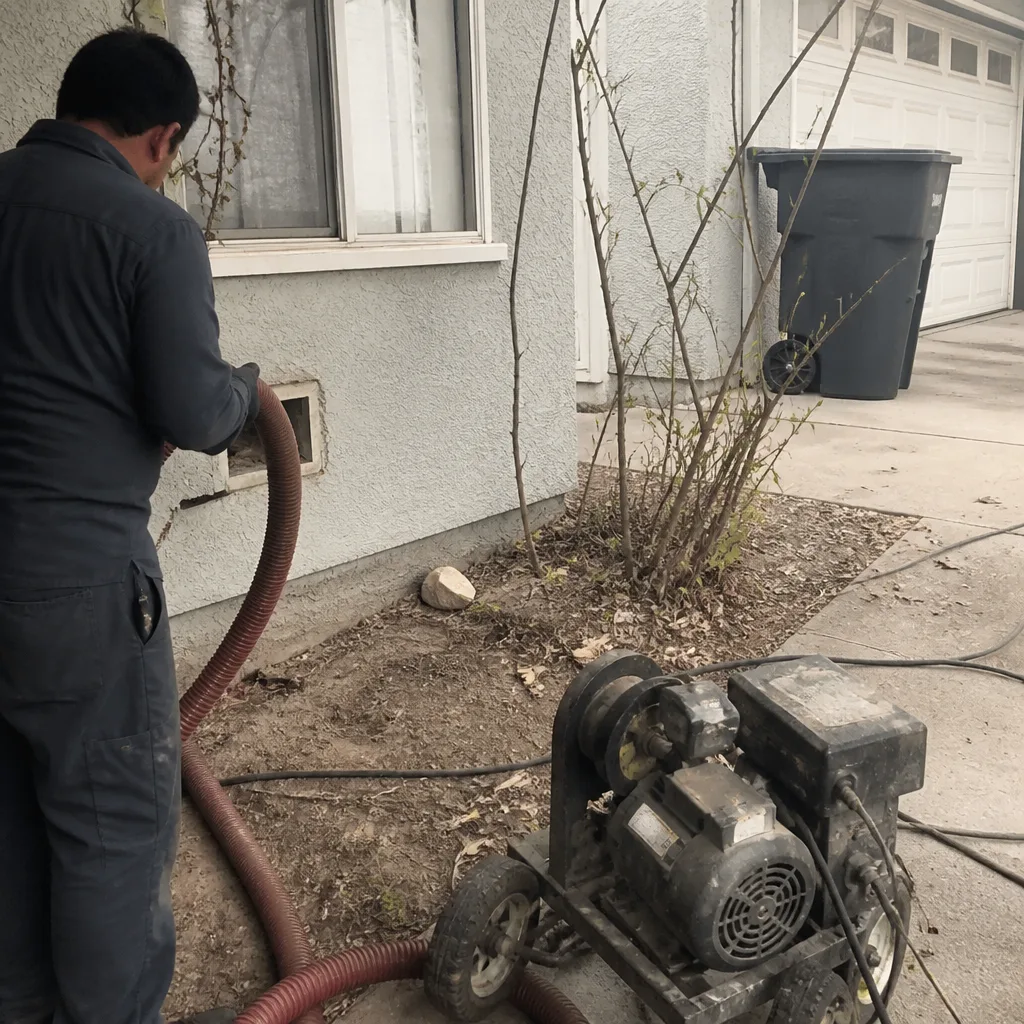 Before
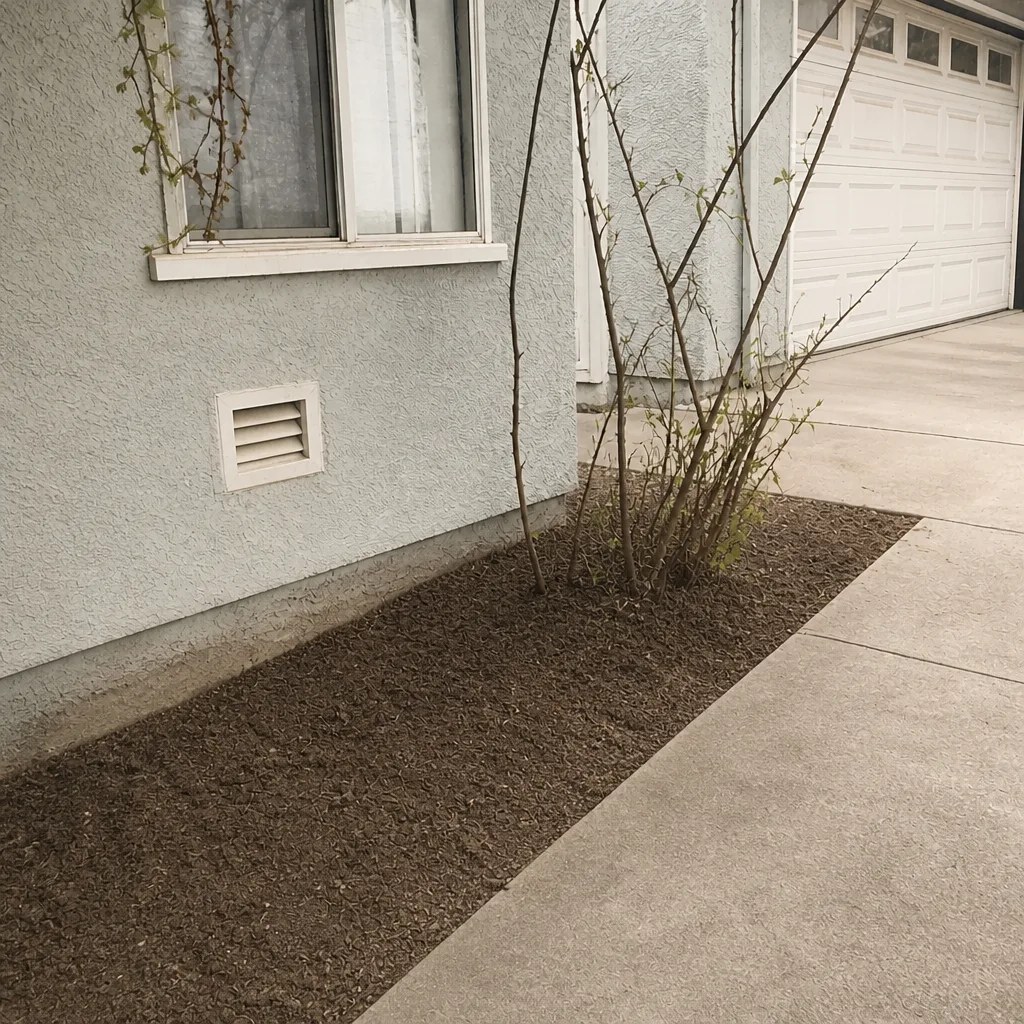 After
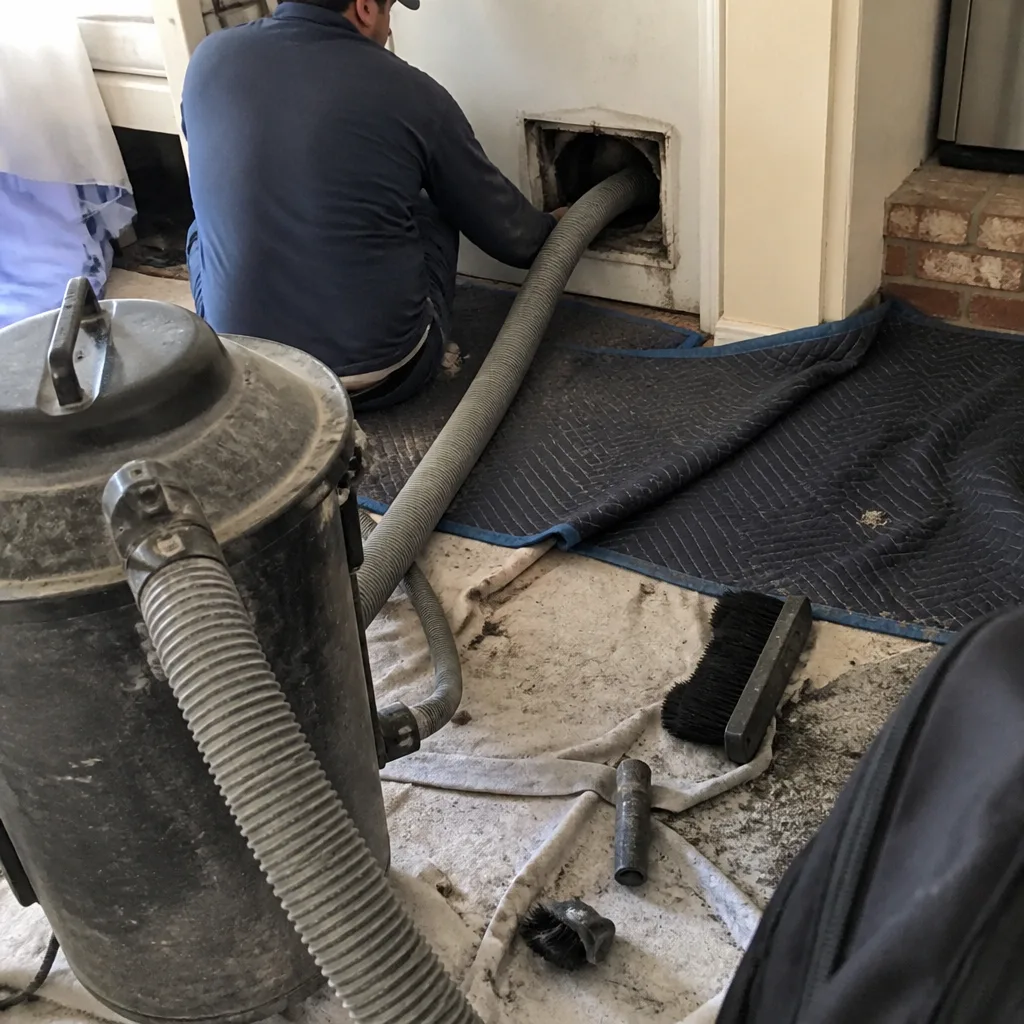 Before
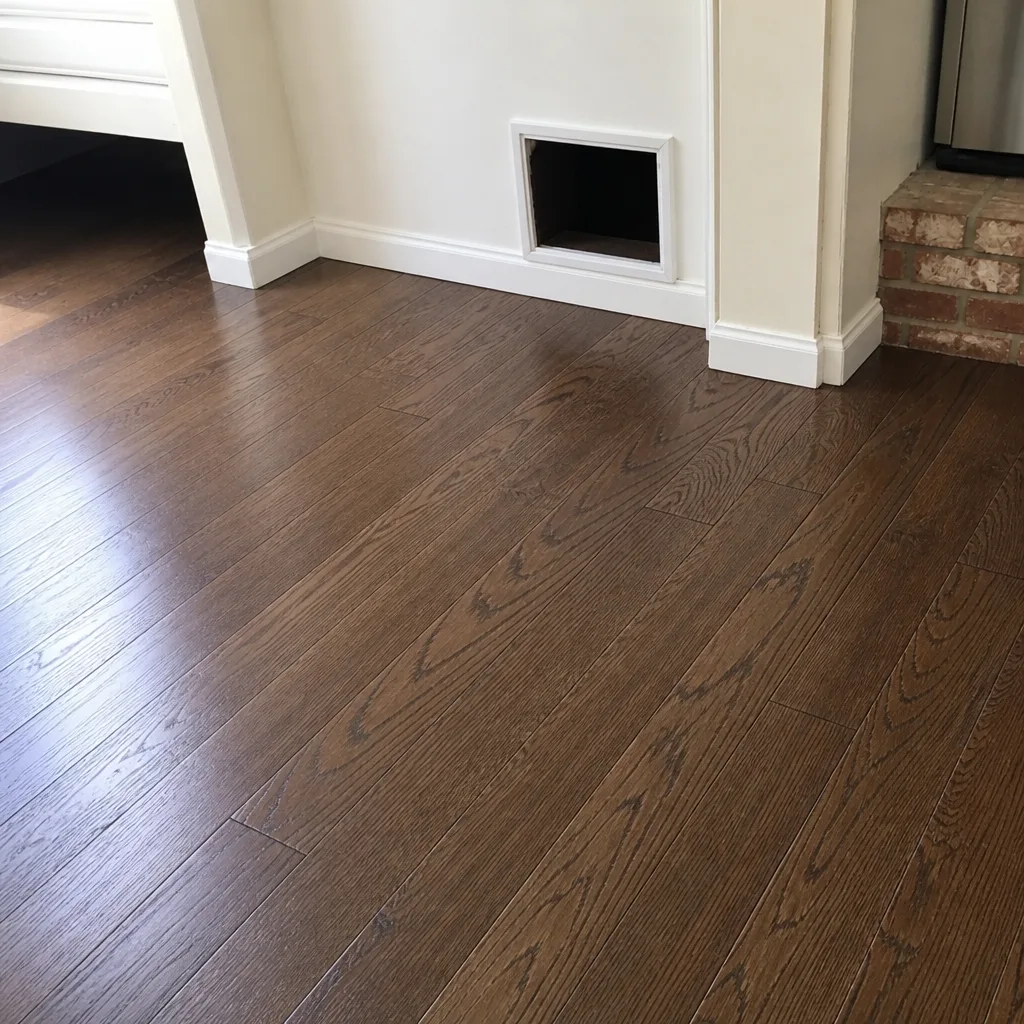 After
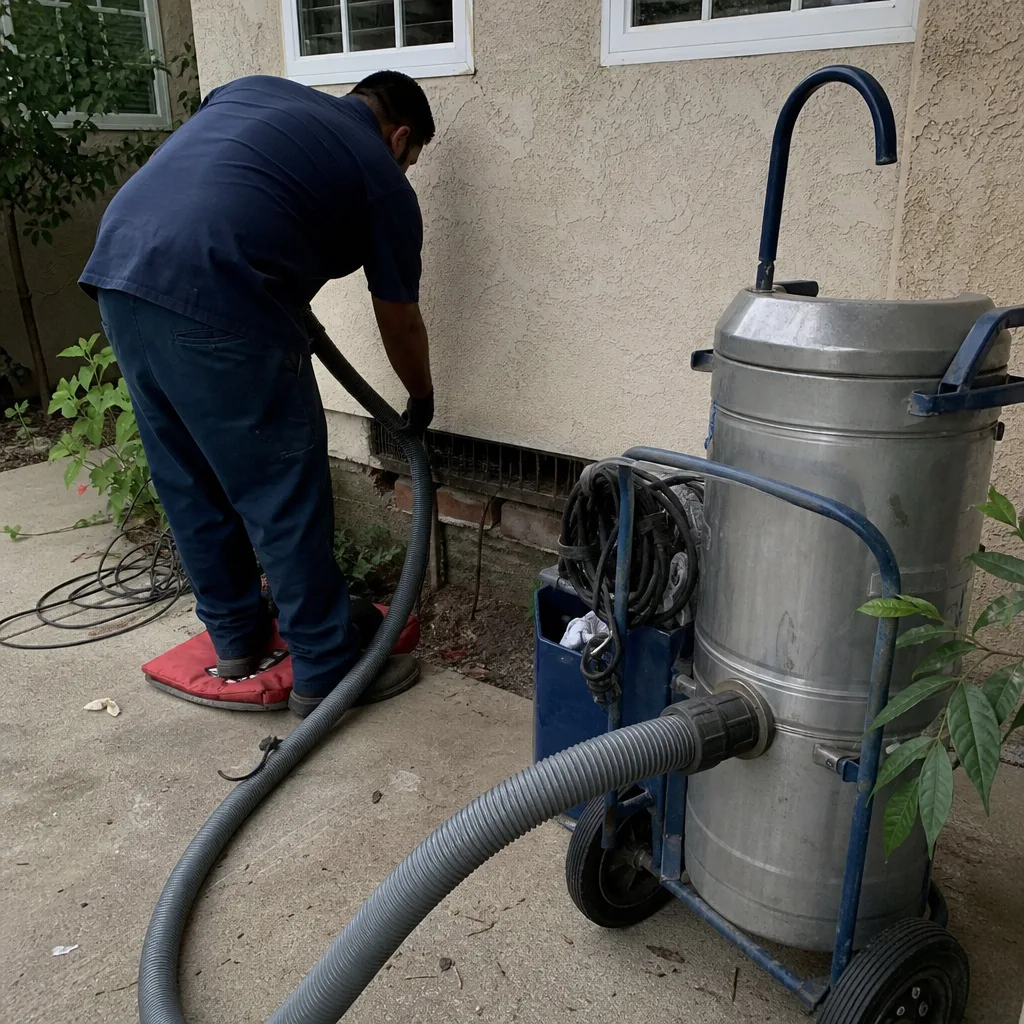 Before
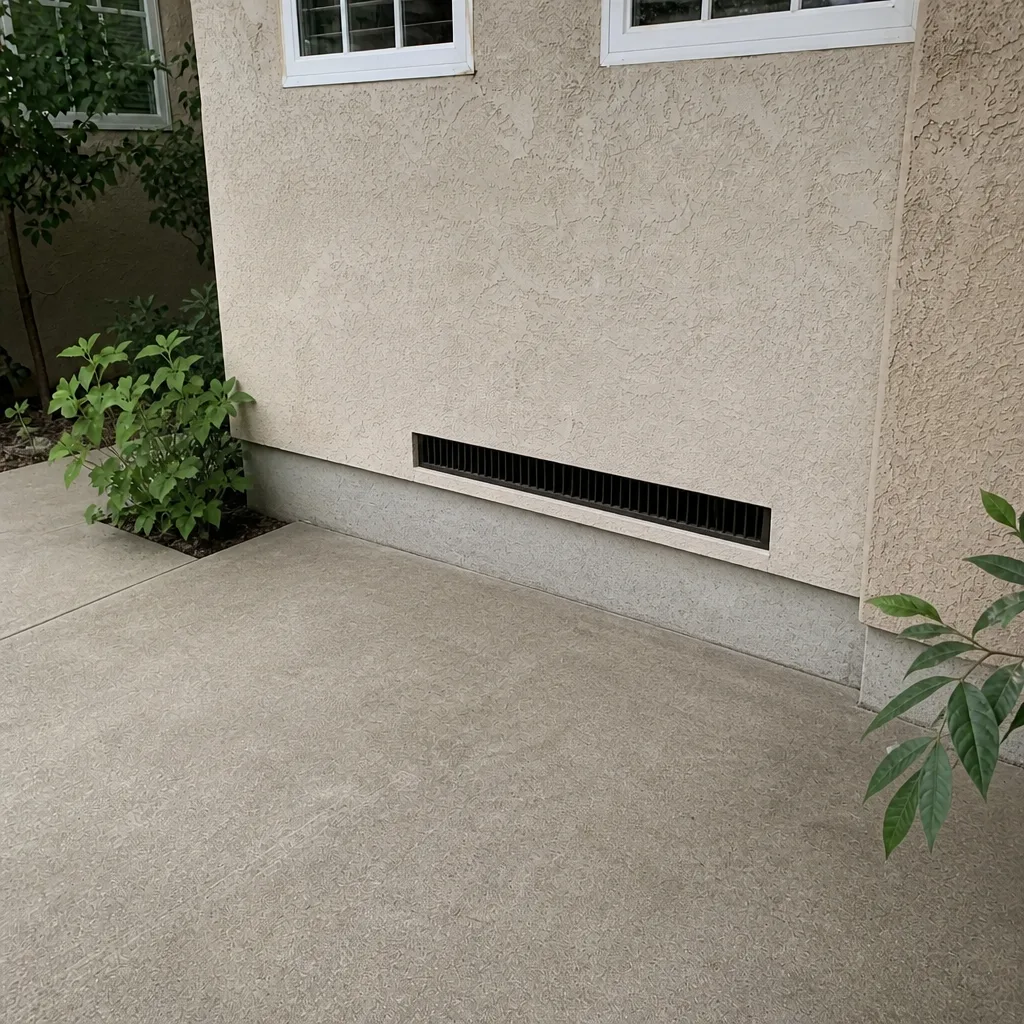 After
When to Call a Professional
Some duct conditions need equipment a homeowner can’t run. If you smell musty or stale air from your registers when the system starts, if visible dust is building up faster than usual, or if a humidity problem has been persistent, a professional inspection is worth the call. If you’ve had a recent remodel, or you’ve moved into an Eagle Rock home with an unknown service history, a full-system evaluation is a sensible starting point. And if your dryer is taking longer than it used to, or the exterior vent flap doesn’t open fully during a cycle, that’s a fire-safety concern that needs a dedicated cleaning.
Air Duct Cleaning Eagle Rock offers free estimates in Eagle Rock. Call (855) 683-8612 to schedule an evaluation. We answer 24/7. Fast dispatch from 7am to 7pm, Sunday through Friday.
Frequently Asked Questions
Air duct cleaning in Eagle Rock typically runs somewhere in the range of a few hundred to roughly a thousand dollars depending on the size of the home, how many runs the system has, and whether repair, sealing, and sanitizing are included. The written estimate is what sets the final price, and we work with a flat price per system agreed before the work begins, so there’s no per-vent pricing and no surprise line items once the technician is on site. Call (855) 683-8612 for an exact quote; estimates are free.
Cheap quotes usually describe a different job than a full-system cleaning. A low price often covers only a contact-vacuum pass on the registers with no source-removal cleaning of the branch runs, no negative pressure, and no sealing afterward. When you compare a cheap quote to a professional one, compare what’s in the scope, not just the number. A price that includes source-removal cleaning throughout the connected system, containment, sealing, and sanitizing will always be higher than a vent wipe-down, and the difference is what actually determines whether the ductwork gets cleaned. Call (855) 683-8612 for an exact quote; estimates are free.
A post-service report with before-and-after photos of the duct interiors and the system’s plenums is how you verify the work. Interior photos of each major run, not just the registers, show what the ducts looked like before cleaning and after. Ask what the report will include before the work begins, and confirm that repair and sealing are documented separately from the cleaning. If you want to verify the standard that was followed, ask whether the job was done to NADCA source-removal standards. Call (855) 683-8612 for an exact quote; estimates are free.
Most Eagle Rock homes should have the full system cleaned every three to five years, and hillside homes with older retrofitted ductwork tend to need it on the shorter end of that range. Santa Ana wind season pushes fine particulate into leaky systems each autumn, and households with pets, smokers, allergies, or recent remodeling usually need more frequent cleaning. If dust buildup or musty smells return quickly after a cleaning, the sealing step was likely the missing piece. Call (855) 683-8612 for an exact quote; estimates are free.
Cleaning alone is incomplete if the ductwork has leaks, because the same gaps that let contamination in will let it back in after the cleaning. Sealing and repairing the leaks is what keeps a cleaned system clean. In Eagle Rock’s older housing stock, especially retrofitted systems with many joints and transitions, we treat repair and seal as part of the job whenever the inspection finds leaks, because it’s the difference between a cleaning that lasts and one that doesn’t.
Yes, sometimes. The tooling matters most on multi-joint retrofitted systems and on homes with tight attic and crawl-space runs, because those spaces require more careful containment and more selective rotary agitation. We use Rotobrush and Nikro equipment for cleaning, and Abatement Technologies filtration and containment equipment for jobs that need a higher level of containment. The equipment and the containment plan are matched to the layout of each home.
The Bottom Line
Real duct cleaning in Eagle Rock is three steps that only deliver their value together: source-removal cleaning under professional negative pressure, repair and sealing of the leaks, and post-clean sanitizing. Any one of them alone leaves the system incomplete. The hillside neighborhoods and 1940s-to-60s housing stock here mean more leaks and more wind-driven particulate than flatland homes, which is why the sealing step matters more in Eagle Rock than most homeowners expect. How much it costs depends on scope, and the written estimate is the number that counts. Ask for before-and-after photos, ask what equipment will be used, and ask for a report you can read.
Air Duct Cleaning Eagle Rock cleans the whole air-handling system: ducts, HVAC, dryer vents, repair and sealing, and air quality and sanitizing. Our technicians have up to 14 years of experience. We use professional equipment from Rotobrush, Nikro, Abatement Technologies, and Honeywell and Aprilaire air-quality products, with Guardsman-grade protection products used in the finishing and sanitizing steps. Call (855) 683-8612 for a free estimate. We answer 24/7. Fast dispatch from 7am to 7pm, Sunday through Friday.
Written by the team at Air Duct Cleaning Eagle Rock.