
Last updated November 22, 2026
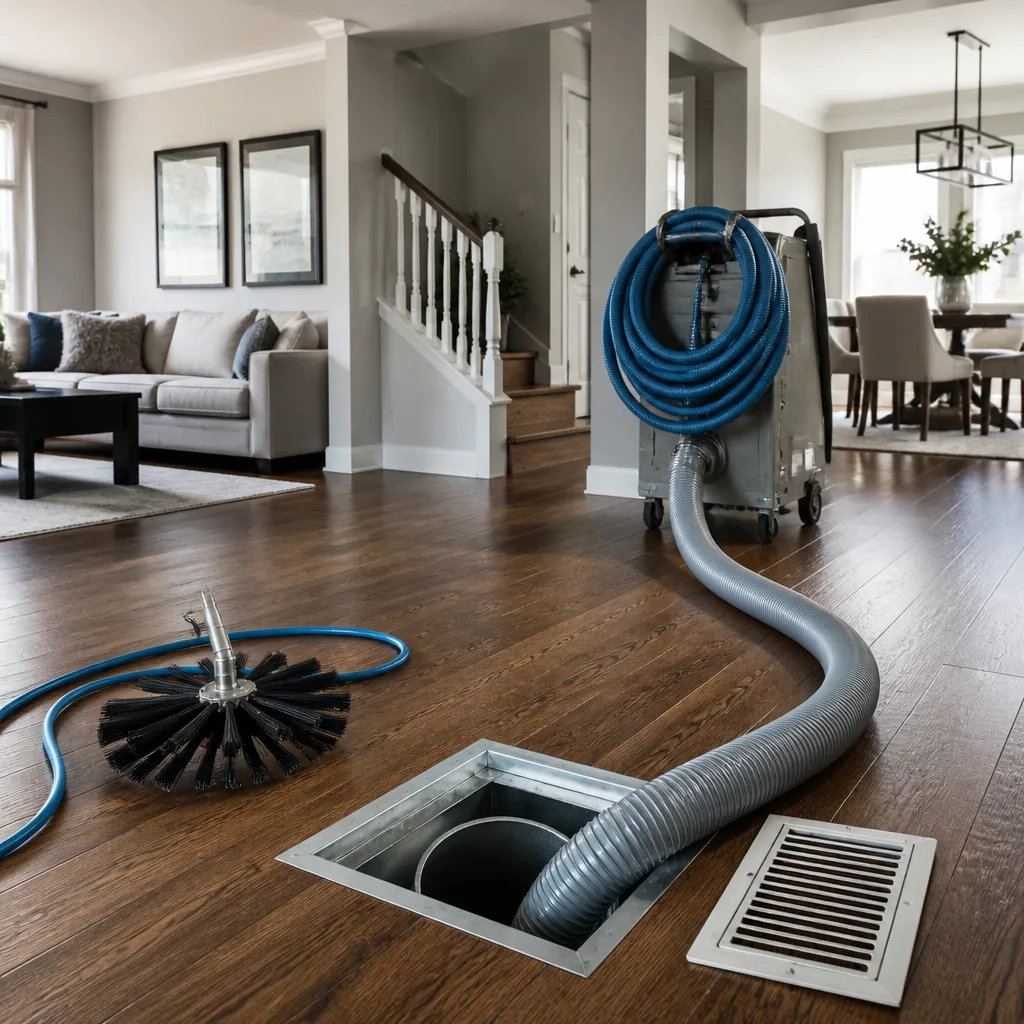 Whole-home duct cleaning
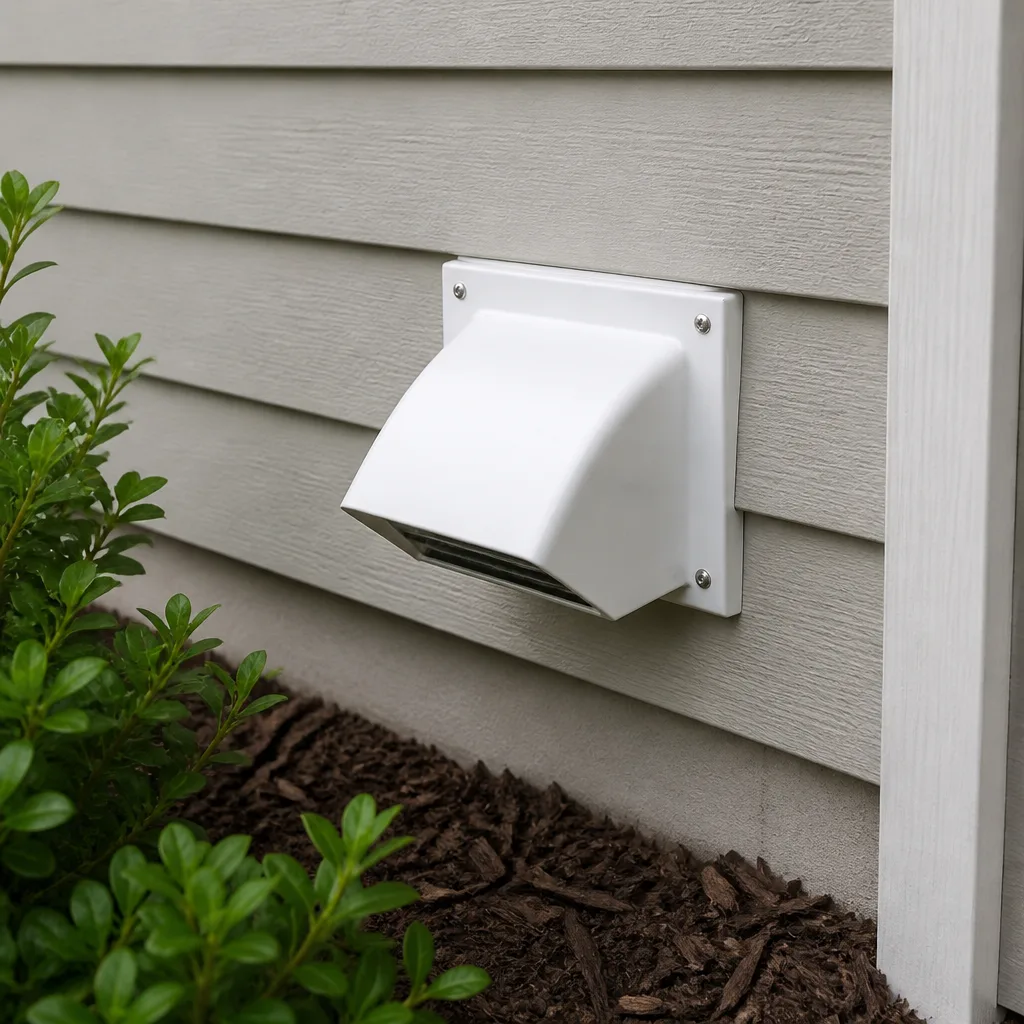 Dryer vent cleaning
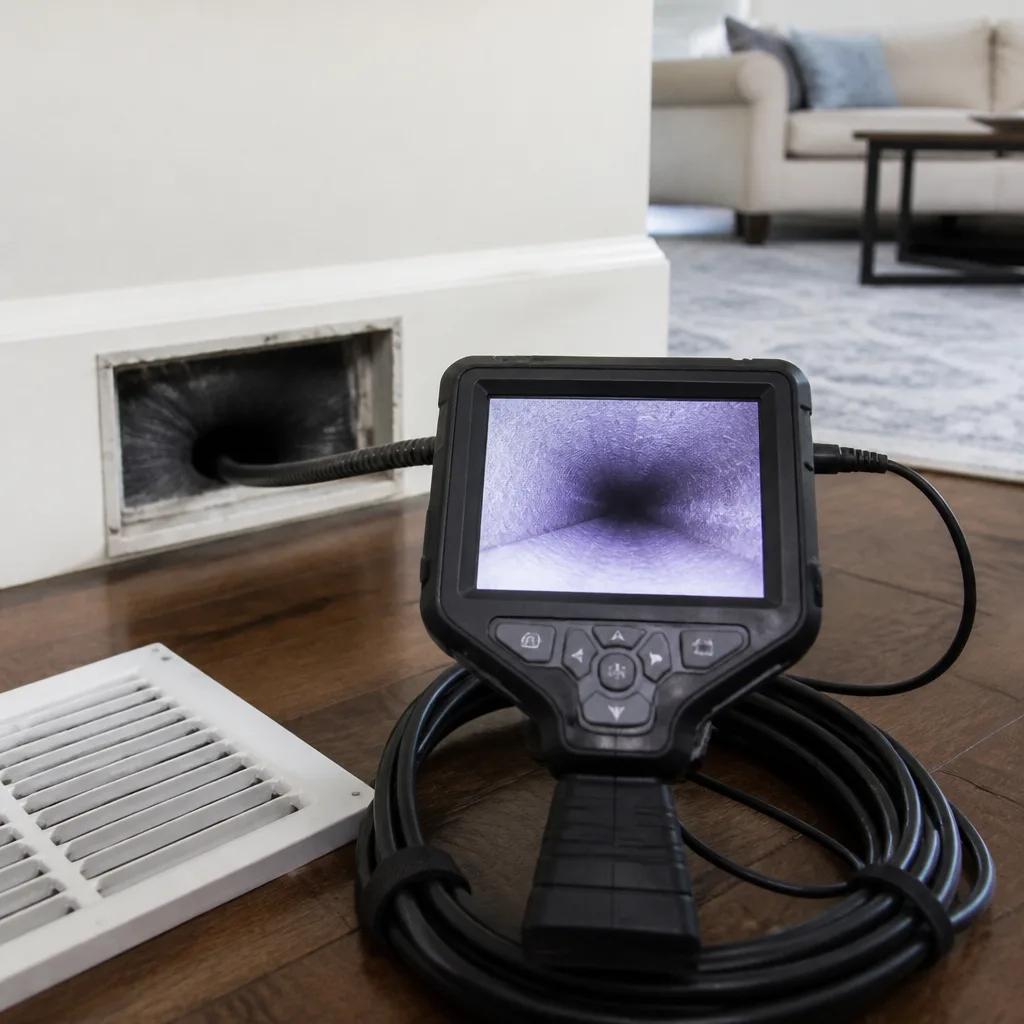 Camera inspection
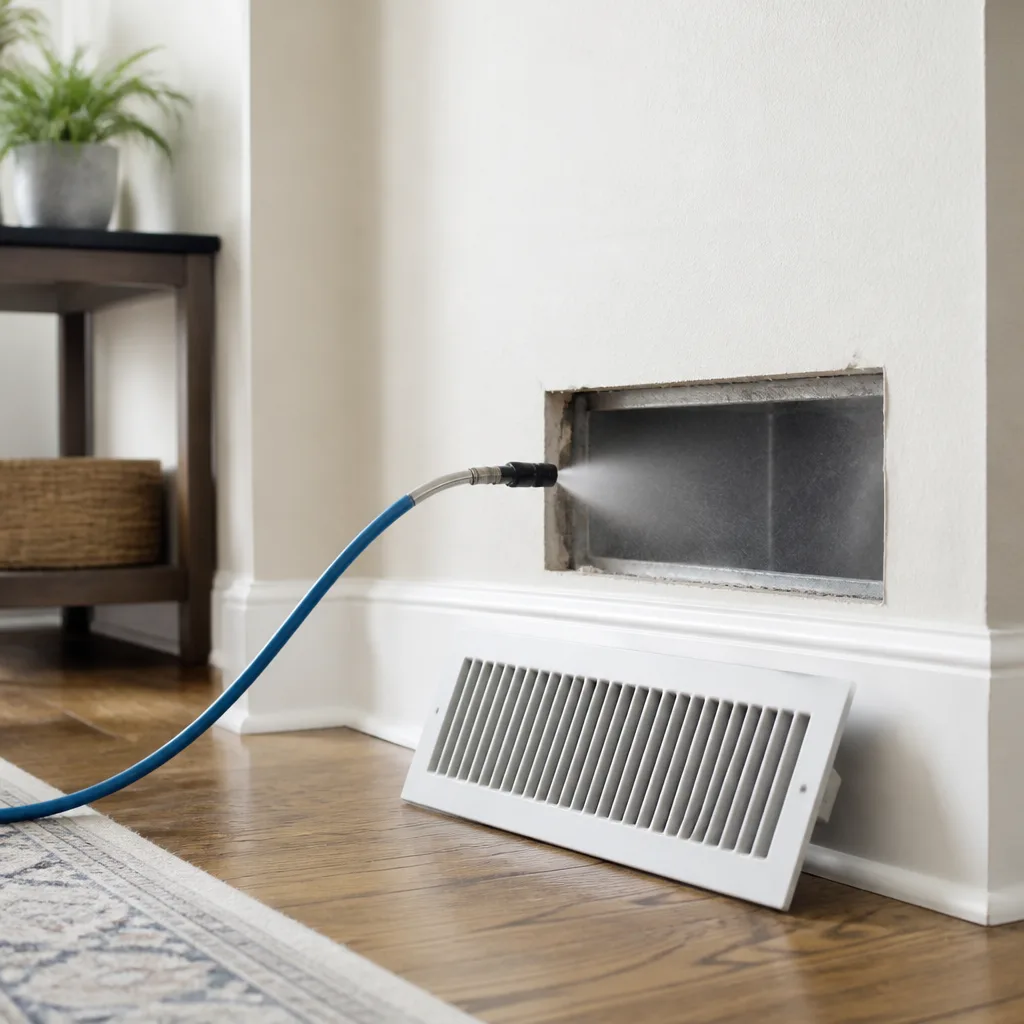 Sanitizing & deodorizing
Whole-system duct and dryer vent check with before-and-after photos - you see exactly what came out of your vents
That "$99 whole-house special" is a bait ad - the real number appears once they are in your hallway, or the "clean" is a shop-vac at the register. We photograph the inside of your ducts before and after instead.
How to Hire an Air Duct Cleaning Contractor in Eagle Rock: A Step-by-Step Guide
California has no specific license category for air duct cleaning. That means anyone with a van, a shop vac and a printed flyer can legally offer the service in Eagle Rock, and a “certified” badge on a website means nothing until you know which certification body issued it and whether that body actually verifies members. The result is a market where price comparison alone tells you almost nothing, because the cheapest quote and the most expensive quote are often describing completely different jobs. This guide teaches you to vet an air duct cleaning contractor the way a building inspector checks a house: credentials first, equipment second, written scope third, price last. You’ll learn the exact NADCA credentials to request, the equipment a real contractor must arrive with, the red flags specific to the Los Angeles market, and how to compare quotes accurately when every contractor bundles the work differently.
Quick Answer
To hire an air duct cleaning contractor in Eagle Rock, verify the contractor’s NADCA membership and individual certifications directly on the NADCA member registry, confirm the specific equipment they’ll bring (a negative pressure machine and contact vacuum at minimum), and insist on a written scope of work that lists every component of the air-handling system before any price is agreed. Compare quotes only after all three checks pass, and treat any “whole house” flat price offered before an inspection as a warning sign rather than a deal. Our technicians have up to 14 years of experience, and we’ve watched these verification steps separate real specialists from bait-and-switch operators more reliably than any review score.
Styles & brands we work with
- Whole-home duct cleaning
- Dryer vent cleaning
- Camera inspection
- Sanitizing & deodorizing
Table of Contents
- Does California License Air Duct Cleaning Contractors?
- Which NADCA Credentials Should You Ask For?
- What Equipment Should Arrive at Your Door?
- What Belongs in a Written Scope of Work?
- How to Compare Quotes with Different Bundles
- Los Angeles Market Red Flags to Recognize
- What a Proper Camera Inspection Looks Like
- Common Mistakes to Avoid
Does California License Air Duct Cleaning Contractors?
No, California does not issue a license specifically for air duct cleaning. This is the single most important fact in this guide, and it shapes every question you ask afterward. The California Contractors State License Board regulates contractors in defined trades, but air duct cleaning as a standalone service does not have its own license class. What that means in practice: the person knocking on your door in Eagle Rock may be operating entirely within the law and still have no training, no certification and no equipment beyond a handheld vacuum.
There’s a nuance worth understanding. If the work crosses into HVAC repair, refrigerant handling, electrical work or structural modification, a licensed contractor is required by California law for those specific tasks. Air duct cleaning by itself sits outside that requirement. So the burden of verification lands squarely on you, the homeowner.
Here’s what you can legally ask for, and what a serious contractor will happily provide:
- Business registration: A registered business entity is a minimum bar, not a credential, but it tells you the operator isn’t a phantom.
- Liability insurance: Ask for a certificate of insurance and confirm the policy is active. Duct work involves a machine running inside your home, and accidents happen.
- Workers’ compensation coverage: If someone is injured in your house, you want to know the contractor carries this. An uninsured worker injured on your property is your problem in a way most homeowners don’t anticipate.
- Trade association membership: This is where real verification begins, and it’s covered in the next section.
You are comparing credential packages, not driving records. A contractor who can produce these documents without hesitation is signaling that they’ve structured their business to be checked. A contractor who deflects or promises to “email it later” is telling you something too, and it’s worth listening to.
Which NADCA Credentials Should You Ask For?
The National Air Duct Cleaners Association (NADCA) is the industry’s primary standards body, and its credentials are the closest thing to a real qualification in this field. But a logo on a website proves nothing. Logos are images, and images are copied. The membership has to be verified at the source.
Ask specifically for these, and verify each one independently:
- NADCA company membership. The business itself should be a member in good standing. Ask for the company name exactly as it appears on the registry.
- Air Systems Cleaning Specialist (ASCS) certification. This is an individual certification held by a person, not a company. Ask which technician will be on site and whether that person holds the ASCS designation.
- Certified Ventilation Inspector (CVI) certification. This credential indicates training in assessing and documenting system conditions, which matters enormously when the contractor inspects your ducts before doing any work.
- NADCA Assessment, Cleaning and Restoration (ACR) standard compliance. This is the written standard governing how the work should be performed. Ask whether the contractor follows it. If they don’t recognize the acronym, they aren’t working to an industry standard.
Now open the NADCA member registry and search for the company name and the individual’s name. If they’re listed, good. If the logo appears on their site but the name doesn’t appear in the registry, you’ve found your answer.
One more consideration specific to Los Angeles County: ask whether the company can produce a written cleaning report with before-and-after documentation. NADCA standards call for post-cleaning verification, and a contractor who documents the job can show you the state of your own ducts. In a market where vendors come and go, documentation is your proof that the work happened.
What Equipment Should Arrive at Your Door?
Almost all duct cleaning scams share one feature: the equipment is too small for the job. A handheld vacuum with a brush attachment cannot clean a duct system, but it looks legitimate inside a house where nobody knows what real equipment looks like. Here’s a benchmark for judging what rolls into your driveway.
The negative pressure machine. This is the anchor of any proper duct cleaning. It attaches to the system and pulls the whole interior into negative pressure so dislodged debris travels toward the machine instead of drifting into your living room. Consumer tools don’t create meaningful negative pressure. Professional units do. Ask what machine the contractor uses and expect an answer in the form of a brand and model, not a gesture.
Contact vacuum tools and rotary agitation. Professional systems use powered brush heads and air whips that agitate debris from duct walls, combined with contact vacuum tools that extract it. This is where brands like Rotobrush rotary brush technology come into play. The combination of agitation and high-volume extraction is what separates actual cleaning from a surface pass.
HEPA filtration and containment equipment. In a proper setup, exhausted air passes through high-efficiency filtration, and containment controls where dust goes during the job. Abatement Technologies equipment is built for exactly this kind of containment work, which is why it appears in remediation environments where controlling airborne particles is the whole point.
Camera inspection gear. A legitimate contractor brings a camera that can travel into the ductwork and show you the interior on a screen. This is not a gimmick. It’s how the scope of work gets built, and it’s how you verify afterward that the ducts changed. If a contractor can’t inspect, they can’t diagnose, and if they can’t diagnose, they’re guessing.
Watch what comes through the door. A single unbranded vacuum, a pile of plastic drop cloths and no pressure machine is a service that will look like cleaning and function like a dust disturbance. Call (855) 683-8612 with the equipment names and we’ll tell you plainly whether they describe a real system.
What Belongs in a Written Scope of Work?
A verbal agreement to “clean the ducts” is not a scope. The scope is the document that defines what gets cleaned, how it gets verified and what happens if something is found. Before you sign anything, confirm these line items appear in writing:
- Every component listed by name. Supply ducts, return ducts, registers, grilles, boots, the air handler cabinet and the plenum. A scope that lists only “vents” is a scope for a much smaller job than you think.
- The main trunk and branch lines. These are where debris accumulates and where shortcuts hide. If the written scope doesn’t specifically name them, they may not be touched.
- The HVAC air-handling unit. The blower, the evaporator coil and the interior of the cabinet are part of the same connected system. This is why our HVAC cleaning work treats the whole assembly as one unit rather than two separate jobs.
- Access and sealing plan. How will the contractor reach the ducts, and will the access points be sealed afterward? Improperly resealed access holes leak air permanently and can undermine the entire job.
- Post-cleaning verification method. Camera documentation, photographs, or both. Written verification, not a verbal “looks good.”
- What happens if damage is found. Ducts in older Eagle Rock homes are often sheet metal with failing mastic or tape at the joints. A serous contractor notes this and offers a path to fix it, which is where duct repair and sealing belongs in the conversation.
- The price, stated once, per system. One flat price agreed before work starts, with the written estimate setting the final number. No per-vent pricing, no pressure to add services on site.
Ask to see the scope before you commit. Then ask whether the contractor is willing to note findings on camera. A written scope protects you both, and a contractor confident in their process welcomes it. Browse the full Air Duct Cleaning Eagle Rock range of services if you want to see how a complete system scope is structured before your estimate.
How to Compare Quotes with Different Bundles
Comparing air duct cleaning quotes without normalizing the bundles is like comparing meal prices where one restaurant counts dessert and the other doesn’t. The cheap quote and the expensive quote may describe different work entirely, so line them up before the numbers mean anything.
Most quotes in the Los Angeles area fall into one of three categories:
- Cleaning-only. Vents, registers and duct interiors are cleaned. No repair, no sealing, no sanitizing. Appropriate if the system is intact and simply needs maintenance.
- Cleaning plus sealing. The same cleaning, plus repair of failed joints, gaps and disconnected sections. This is the right bundle if your ducts are leaking or your energy bills look wrong. Cleaning a leaking system is cleaning a system that will get dirty again faster.
- Full system service. Cleaning, sealing and repair, HVAC cabinet and coil, plus optional air quality treatment and sanitizing. This is the bundle for systems with visible mold, persistent odors, or a history of asthma and allergy complaints in the home.
To compare properly, request each quote in writing and map every item into one of those categories. Then note the gaps. A quote for $99 that covers “clean vents” is not competing with a quote that covers the full air-handling system plus sealing, and treating them as equivalents is how homeowners end up paying twice. Ask each contractor what is not included. That single question reveals more about a quote than the price line ever will.
If you’re unsure which bundle fits your home, our air duct cleaning page breaks down what each level covers, and you can request a free estimate that includes a camera inspection first so the quote is built on evidence. Prices depend on the system, not the square footage, so a quote that’s prepared before anyone looks at the ducts is a guess dressed as a number.
Los Angeles Market Red Flags to Recognize
The broader Los Angeles market has a well-documented problem with duct cleaning scams, and Eagle Rock sees its share. These patterns repeat, and each one is recognizable if you know what you’re looking at.
1. “Whole house for $49” or any price offered before an inspection
A legitimate cleaning takes real equipment, real time and real labor. A price that arrives before anyone has seen a duct is a come-on, and the structure almost always involves adding charges once the technician is inside. The solution is a written estimate per system, agreed before work begins and before any cleaning starts.
2. The mid-job upsell
This is the classic bait-and-switch: a low initial price, then a technician on site who opens a camera view and announces mold, debris or damage that “must” be addressed immediately. The work may be real, or the concern may be real and the price inflated under time pressure. Either way, the pattern matters more than the specific claim. Ask for the finding in writing and get a second estimate if anything feels rushed. A reputable contractor will always let you think about additional work.
3. Pressure-selling mold remediation
Mold remediation is a specialized service with its own standards, and it is not something a duct cleaning crew should be diagnosing and pricing on the spot. If a contractor claims to have found mold, ask how it was documented, whether they do remediation themselves, and whether an independent inspection might be appropriate. Duct sanitizing using recognized products like Honeywell or Aprilaire systems is one thing; full remediation is another, and the two shouldn’t be conflated on a sales visit.
4. Vague or interchangeable company names
Some operators market under several names and rotate them as complaints accumulate. Check the business name against the NADCA registry and business registration. Consistency across those sources is a good sign.
5. No report, no photos
If the job ends with nothing in writing, you have no record and no proof. A contractor who photographs the ducts before and after is giving you leverage you can actually use.
Every one of these red flags shrinks in importance next to a written, per-system price and documented before-and-after evidence. That’s what our crew works to, and it’s the standard we’d want if we were hiring someone ourselves.
What a Proper Camera Inspection Looks Like
The inspection is the part of the job most homeowners skip, and it’s the part that determines whether the rest is honest. A proper inspection happens before any price is agreed, and it produces information you can see.
Expect the technician to remove a small number of register covers and insert a flexible camera into the trunk and branch lines. On a screen, you’ll see the interior surfaces of the ducts, the accumulation on the walls, and the condition of the joints. They may check the air handler cabinet for dust loading and visible moisture. This visual walk-through, documented with still photos, becomes the basis of the scope.
Two things matter in Eagle Rock homes specifically. First, the region’s mild winters mean HVAC systems run cooling for much of the year and heating modestly, so dust and debris accumulate steadily from constant airflow rather than extreme seasonal swings. Second, many Eagle Rock houses have had duct systems modified, extended or reconnected by different contractors over time, and the joints tell that story. A camera inspection catches collapsed flex runs, disconnected sections and improvised tape repairs that a visual glance at the registers never will. What the camera reveals determines whether your quote should be cleaning only or cleaning plus sealing, which is why we treat camera inspection as the start of every job rather than an extra.
Common Mistakes to Avoid
- Choosing on price alone. The lowest quote in Eagle Rock is often the most expensive in practice once the upsells arrive. Compare scope to scope, then let price break the tie between genuinely equivalent jobs.
- Trusting a logo without verifying membership. A NADCA badge on a website takes two minutes to copy. Fifteen minutes on the member registry tells you whether the company behind it actually qualifies.
- Skipping the written scope. If it isn’t written, it isn’t part of the job. Vague language like “clean all vents” leaves the trunk lines, plenums and air handler open to interpretation, and the interpretation won’t favor you.
- Assuming duct sealing is unnecessary. Cleaning without sealing leaks will clean a system that re-dirties faster than it should. If the camera shows gaps and disconnected runs, cleaning alone is half the work.
- Forgetting the dryer vent. Dryer vents are a fire-risk concern entirely separate from air quality, and they clog with lint over time. Treat dryer vent cleaning as its own scheduled service, not an add-on afterthought.
- Neglecting sanitizing after cleaning. Cleaning removes debris, but odor and microbial concerns often need a post-clean treatment to resolve. Finishing with a product such as Guardsman protects the cleaned surfaces.
- Ignoring indoor air quality products entirely. If dust and allergy symptoms recur, adding filtration or humidity control from a brand like Aprilaire addresses the source, not just the symptoms in the ducts.
See the difference
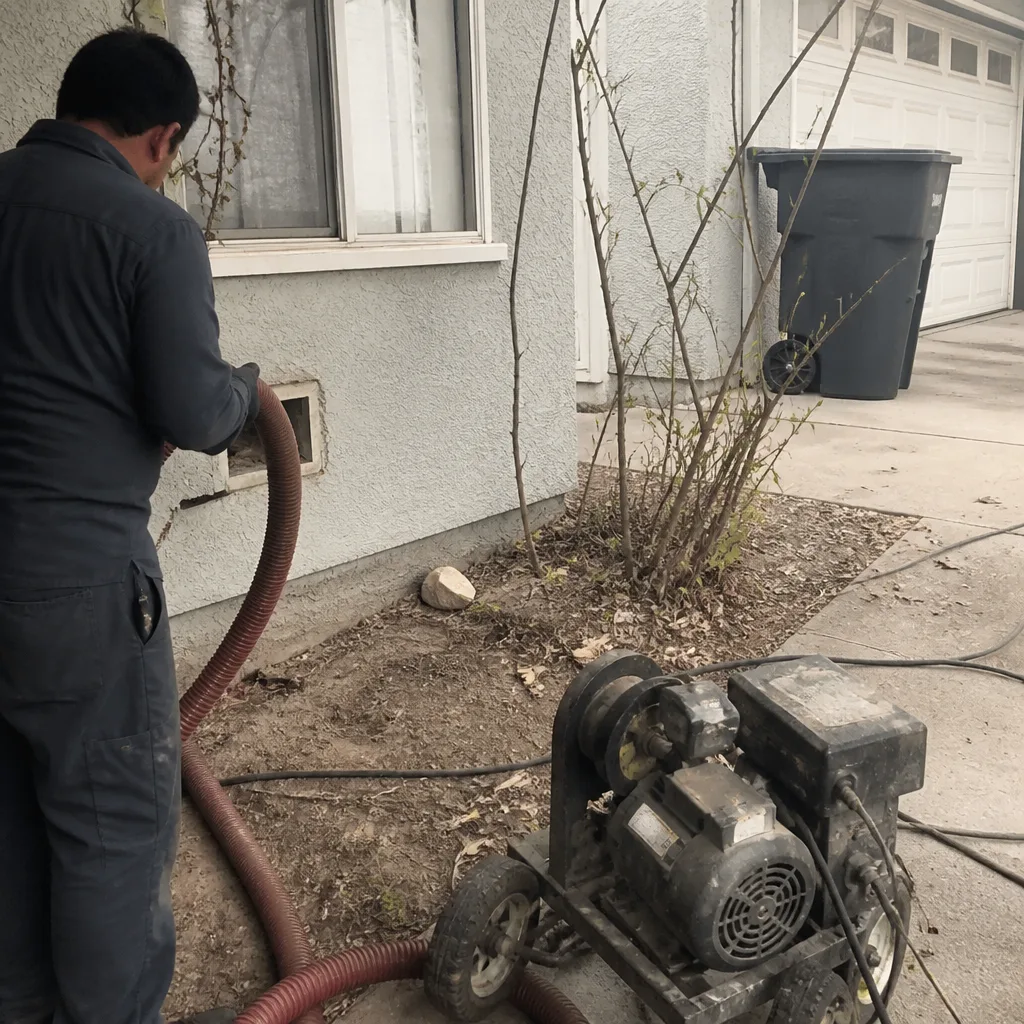 Before
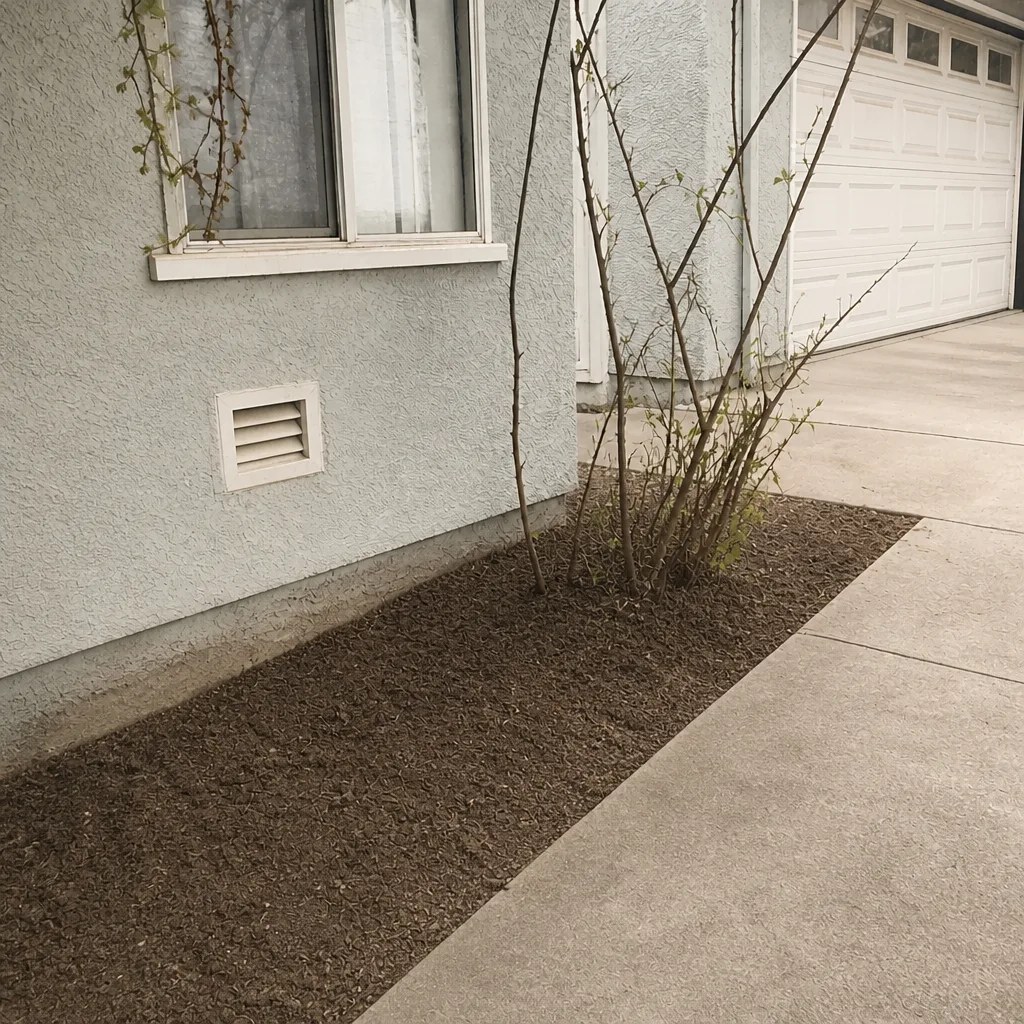 After
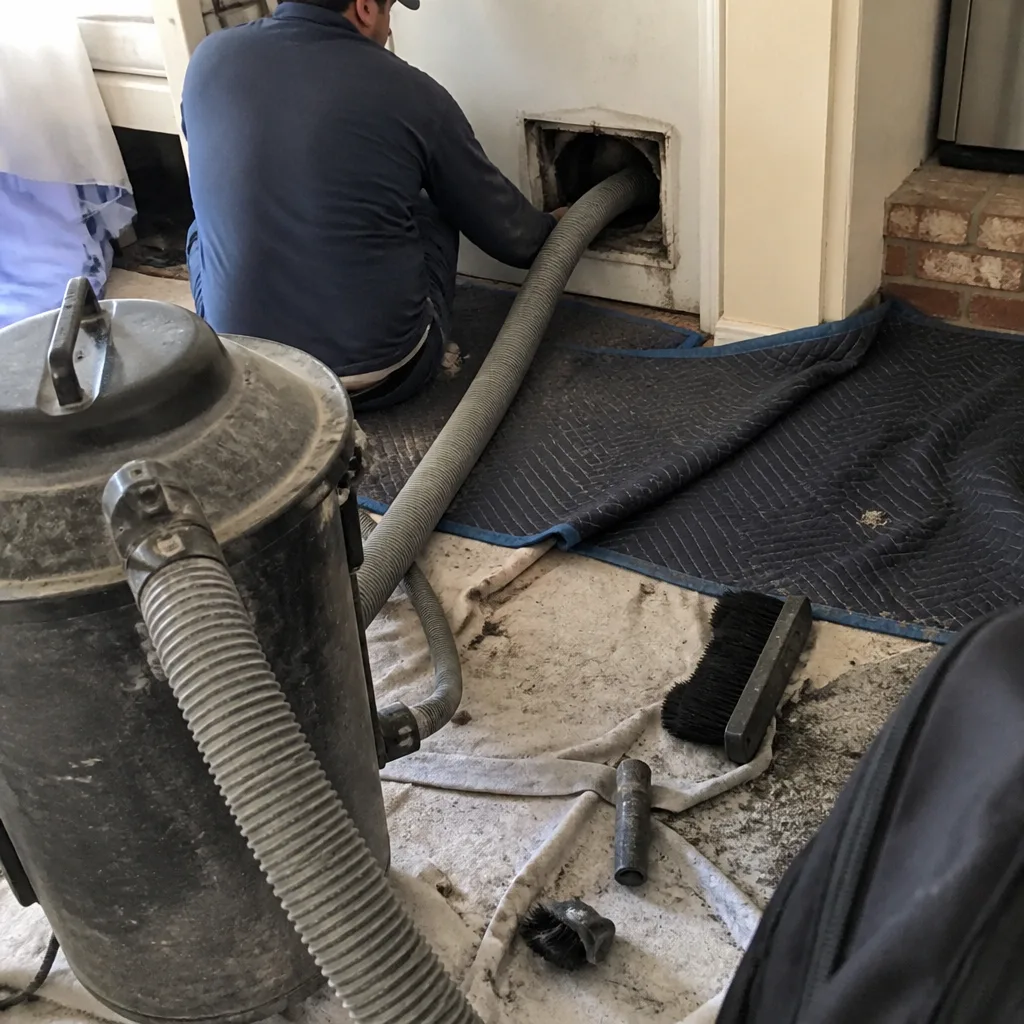 Before
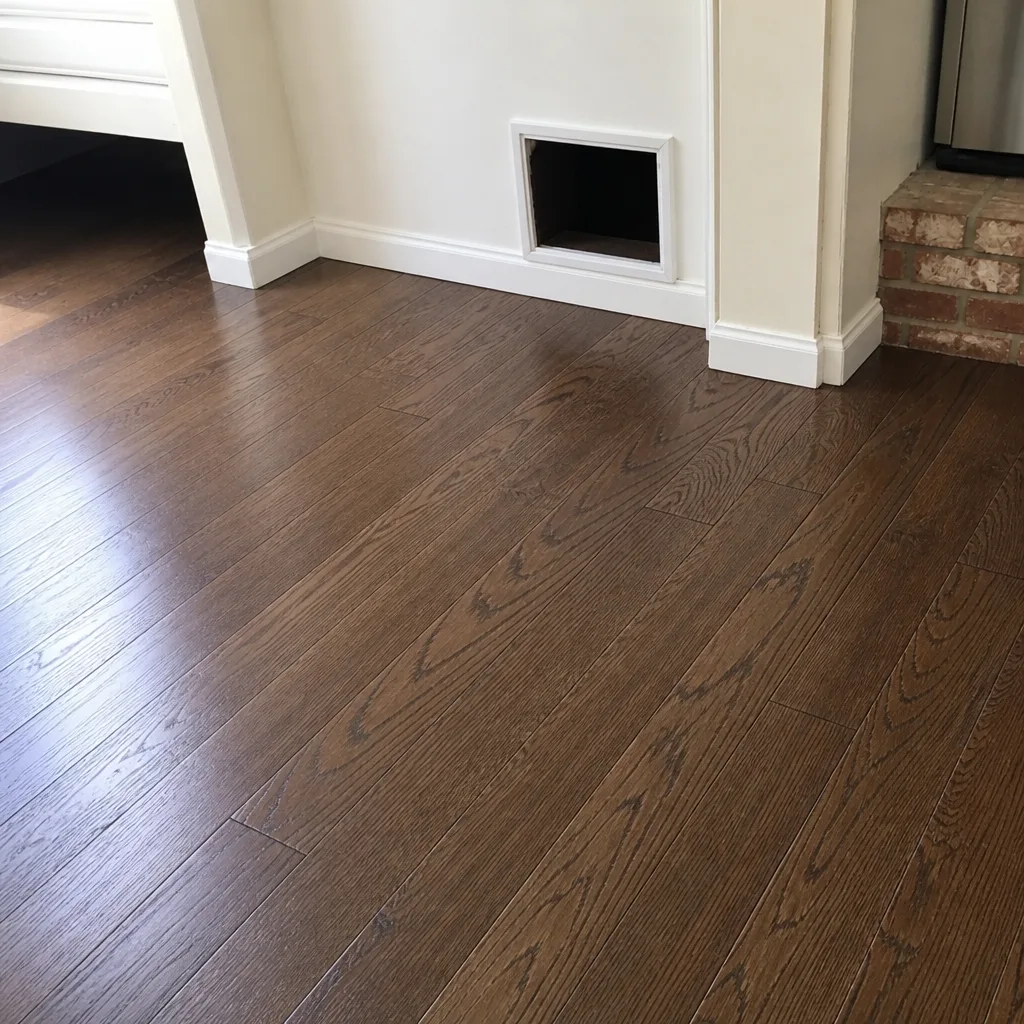 After
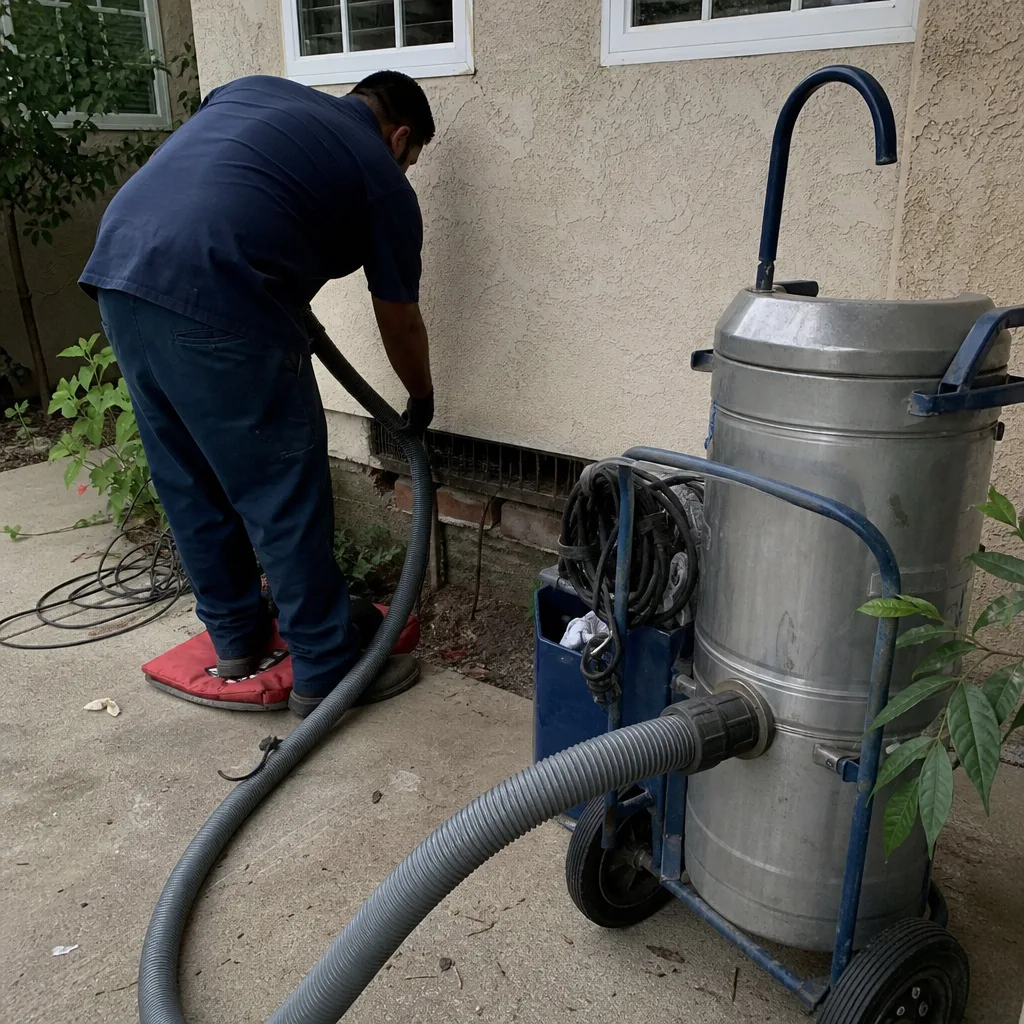 Before
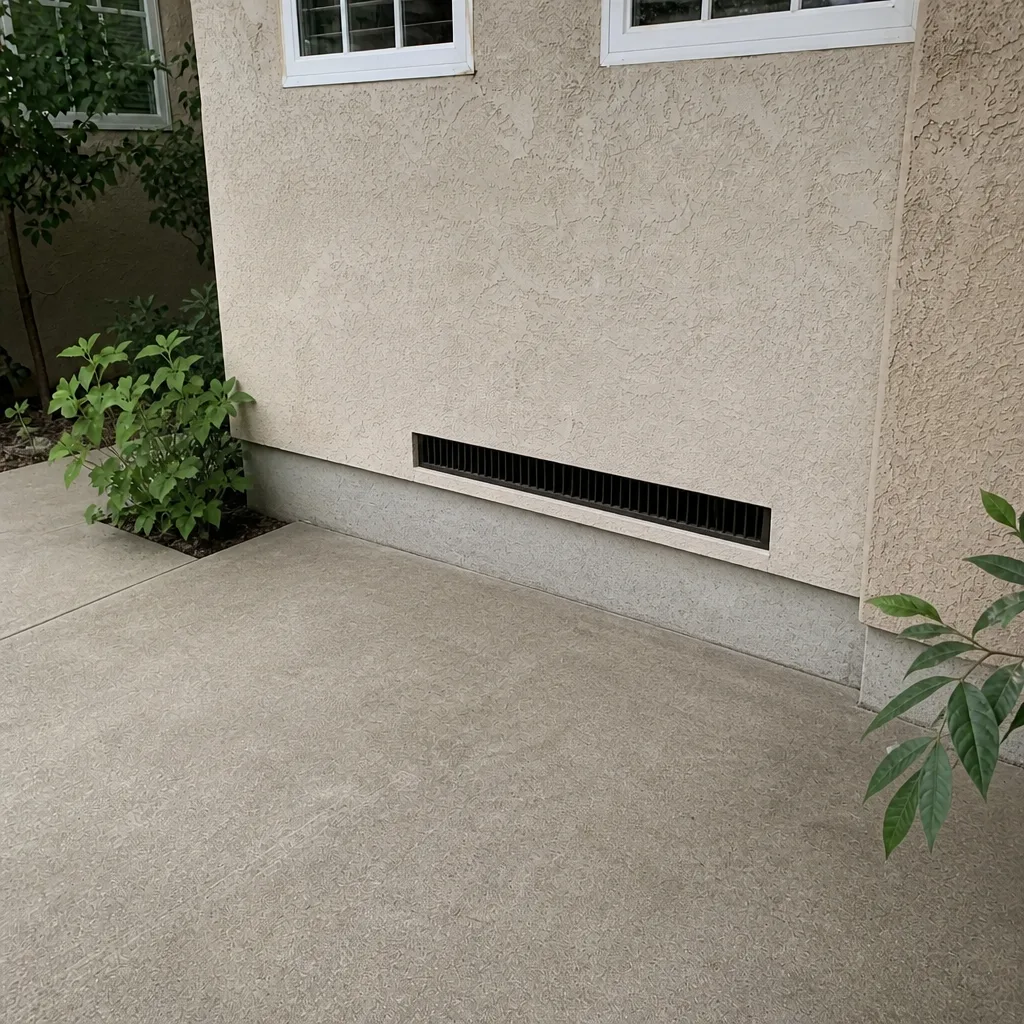 After
When to Call a Professional
Some signals are clear enough to warrant a professional inspection soon: visible dust blowing from registers right after a system starts, a musty or stale odor when the air kicks on, allergy symptoms that improve when you leave the house, or a noticeable thinning of airflow in some rooms. If you’ve recently moved into an Eagle Rock home and don’t know when the ducts were last cleaned, a camera inspection is a reasonable first step before deciding whether full cleaning is even needed. Persistent high energy bills with no other explanation are another prompt; duct leaks tend to stay hidden until someone looks inside. If you can see a disconnected flex run or a joint separated in the attic or crawl space, stop running the system and get it inspected. Air Duct Cleaning Eagle Rock offers free estimates in Eagle Rock – call (855) 683-8612 and we’ll walk you through what an inspection involves before scheduling anything.
Frequently Asked Questions
Air duct cleaning in Eagle Rock is priced per system, not per vent, and the final number is set by the written estimate after a camera inspection. Costs depend on the size of the system, whether repair and sealing are needed, and whether you choose cleaning only or a full air-handling service that includes the HVAC cabinet and coil. Call (855) 683-8612 for an exact quote – estimates are free.
Cheap quotes usually describe a much smaller job than they appear to. A low teaser price often covers only registers and visible vents, leaving trunk lines and the air handler untouched, and the difference is made up through on-site upsells after the technician has arrived. A written estimate per system agreed before work starts protects you from that pattern. Call (855) 683-8612 for a straight, per-system estimate.
Ask for before-and-after photos and a written cleaning report. Camera documentation lets you see the interior of your own ducts before and after, which no verbal assurance can match. If a contractor can’t produce documentation, you have no way to verify the work happened.
Most homes benefit from inspection every few years, with cleaning scheduled based on what the camera finds rather than a fixed calendar. Homes with pets, recent renovations, ongoing allergies or a history of water intrusion tend to need attention sooner. A camera inspection tells you where you actually stand.
No, there is no standalone California license for air duct cleaning. Because of that gap, verification through NADCA membership and the NADCA member registry matters more here than in states with a specific licensing category. Always confirm membership at the source rather than trusting a website logo.
No, cleaning alone won’t fix leaks. Ducts need to be repaired and sealed to restore system integrity, and that’s a separate service from cleaning. If your camera inspection shows disconnected runs, failed seals or joint gaps, cleaning plus sealing is the correct bundle, and it addresses the cause rather than the debris.
Air duct cleaning covers the duct pathways and registers. HVAC cleaning covers the air handler, blower, coil and cabinet, the components that push air through the ducts in the first place. Since they form one connected system, treating them separately leaves half the dust source untouched.
Sanitizing addresses odors and microbial concerns that cleaning alone doesn’t resolve. If your home has persistent musty smells or someone with respiratory sensitivities, a post-clean treatment using recognized products such as Honeywell or Aprilaire systems is worth discussing during the estimate. Call (855) 683-8612 and we’ll help you decide whether it fits your situation.
The Bottom Line
Hiring an air duct cleaning contractor in Eagle Rock comes down to three checks performed in order: verify NADCA credentials at the source, confirm the equipment is professional-grade, and insist on a written scope covering the full air-handling system before a price is agreed. Everything else, including the lowest quote, follows from those three. The industry’s reputation problem exists because homeowners skip the vetting and compare numbers that don’t describe the same job. Do the verification first, get a camera inspection, and treat sealing and repair as part of the conversation when the evidence calls for it. If you want a free estimate built on inspection rather than guesswork, call Air Duct Cleaning Eagle Rock at (855) 683-8612. We answer 24/7. Fast dispatch from 7am to 7pm, Sunday through Friday.
Written by the team at Air Duct Cleaning Eagle Rock.