
Last updated November 22, 2026
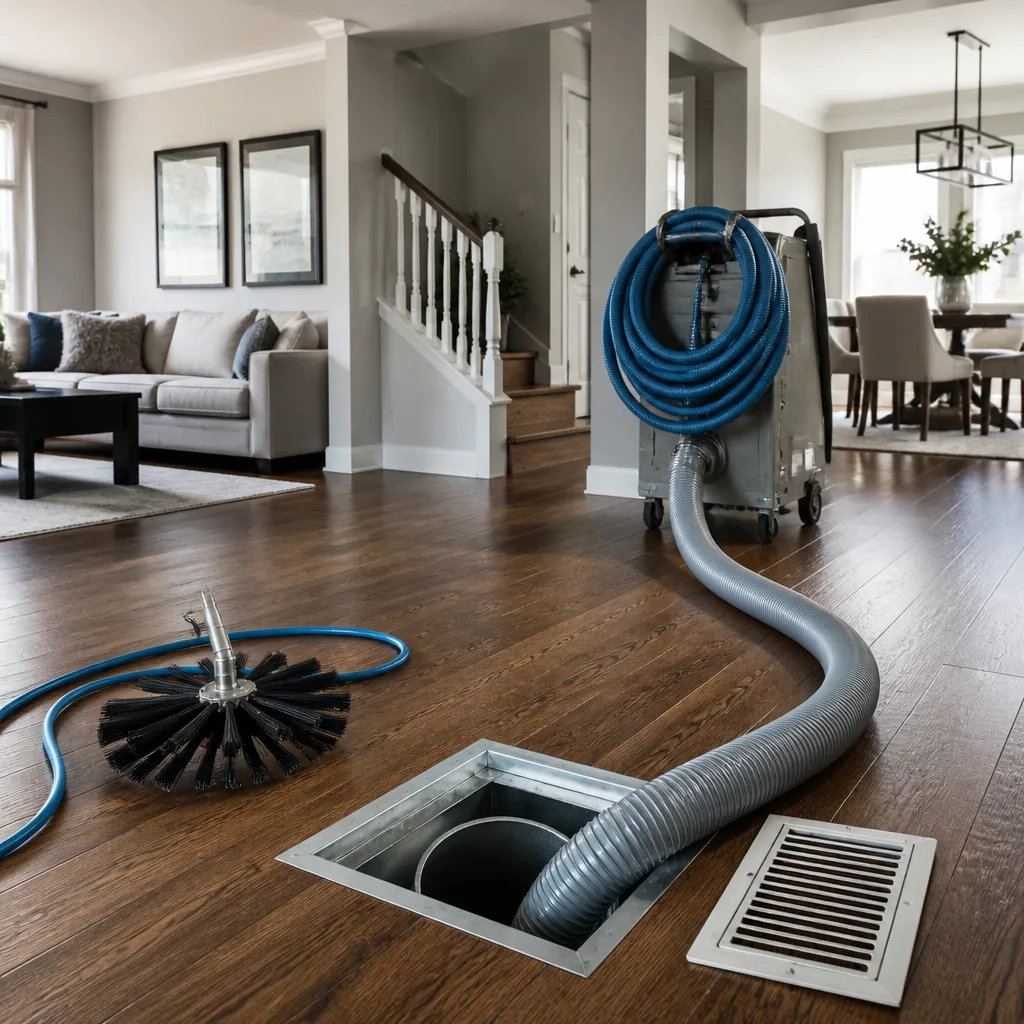 Whole-home duct cleaning
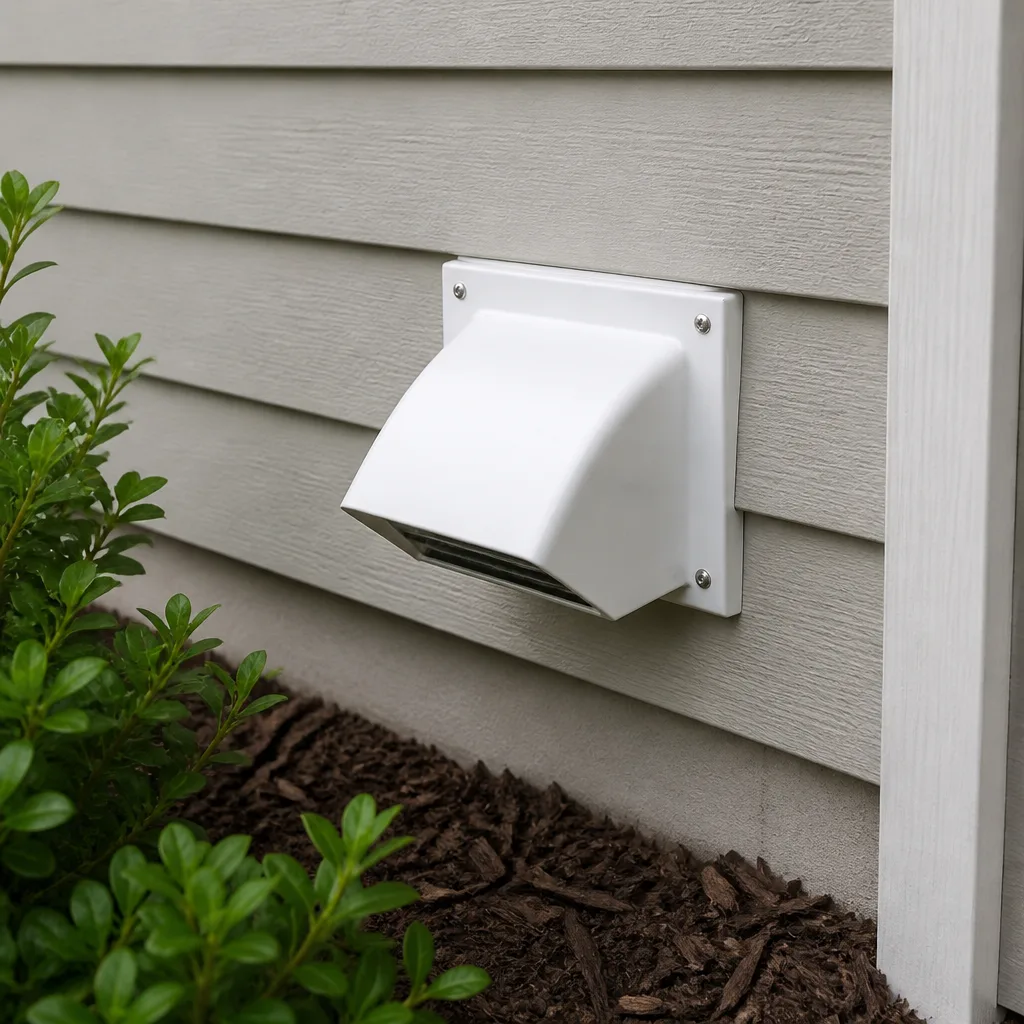 Dryer vent cleaning
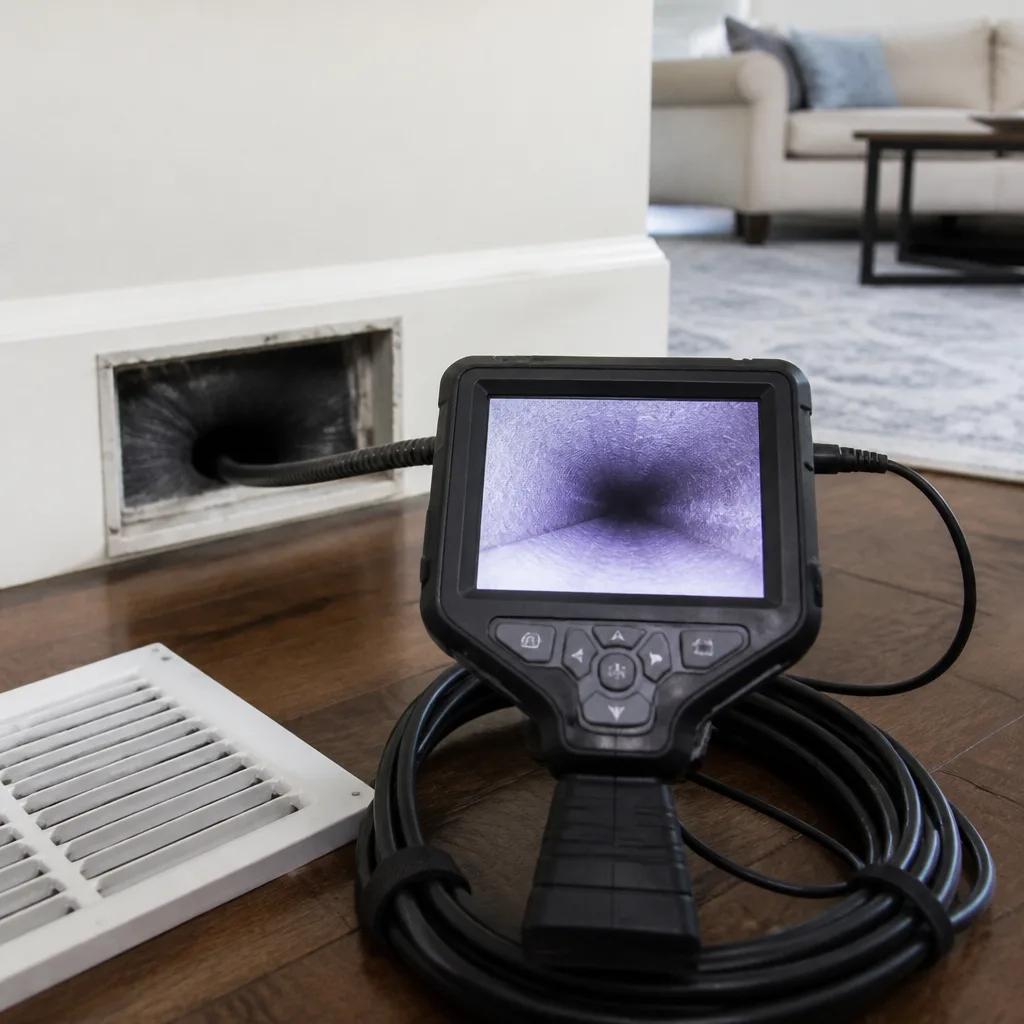 Camera inspection
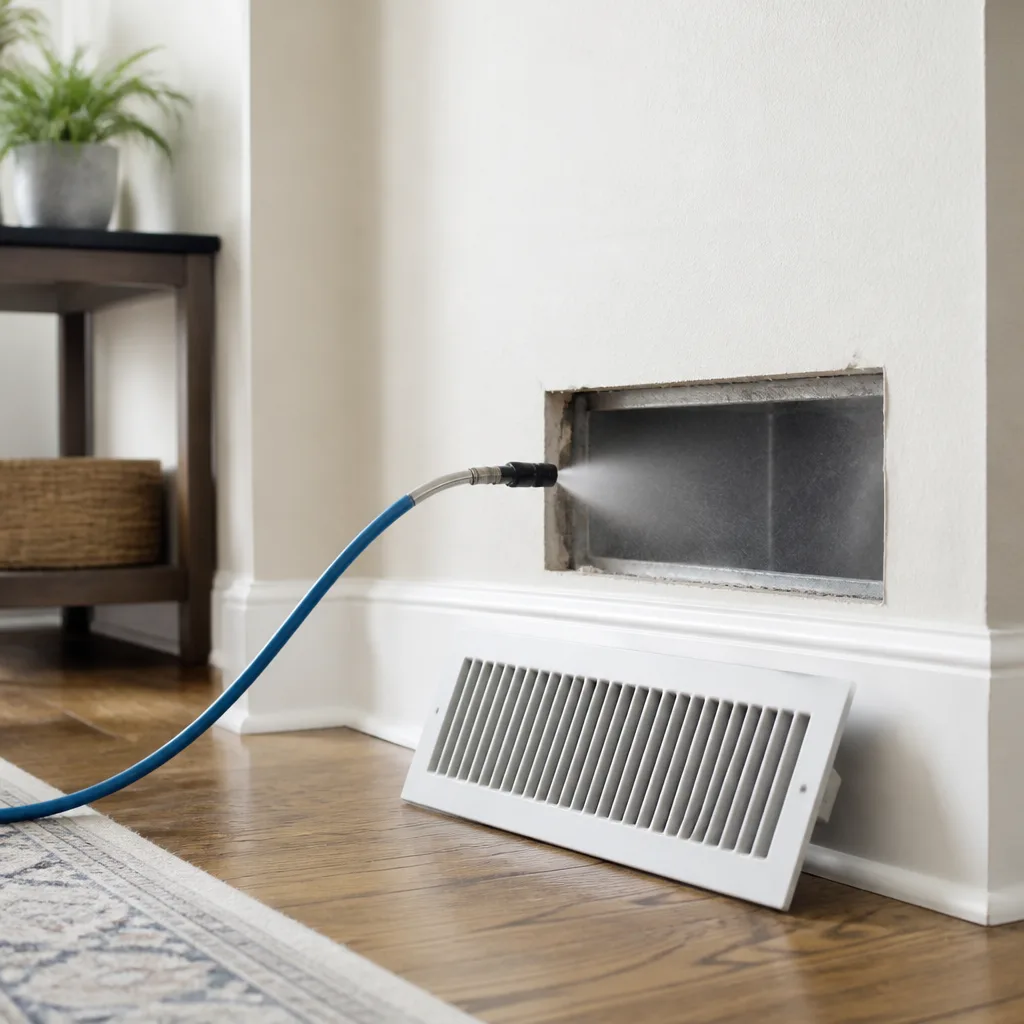 Sanitizing & deodorizing
Whole-system duct and dryer vent check with before-and-after photos - you see exactly what came out of your vents
That "$99 whole-house special" is a bait ad - the real number appears once they are in your hallway, or the "clean" is a shop-vac at the register. We photograph the inside of your ducts before and after instead.
Air Duct Cleaning Permits, Codes & Inspections in Eagle Rock, CA: What You Need to Know
Here’s the part most homeowners get backwards: the vacuuming almost never needs a permit, but the repair that should go with it often does. A company that reattaches a disconnected duct or splices in a new section without checking the code isn’t saving you paperwork. It’s leaving an unpermitted condition in your crawlspace or attic that can surface years later during escrow, an insurance claim, or a buyer’s inspection. This guide walks through where the regulatory line actually falls in Eagle Rock, what the California Mechanical Code says about duct work, how the City of Los Angeles permit process applies here, and what paperwork you should keep in your home file. By the end you’ll know exactly what to ask before anyone touches your system.
Quick Answer
Routine air duct cleaning in Eagle Rock does not require a permit, because it’s classified as maintenance of an existing system. Duct repair, modification, sealing that changes the system, or installation of new duct sections usually does require a permit from the Los Angeles Department of Building and Safety, and that work is subject to inspection. If a contractor is doing anything beyond cleaning, ask for the permit number before work starts.
Styles & brands we work with
- Whole-home duct cleaning
- Dryer vent cleaning
- Camera inspection
- Sanitizing & deodorizing
Table of Contents
- Does Air Duct Cleaning Require a Permit in Eagle Rock?
- What the California Mechanical Code Says About Duct Work
- How the LADBS Permit Process Works for Duct Work in Eagle Rock
- What Triggers an Inspection
- Unpermitted Duct Work and California Civil Code 1102
- What Documentation a Compliant Contractor Should Give You
- Why Eagle Rock’s Climate and Housing Stock Matter Here
- Common Mistakes to Avoid
Does Air Duct Cleaning Require a Permit in Eagle Rock?
No. Cleaning an existing duct system is maintenance, not construction, and the City of Los Angeles does not require a permit for it. The distinction matters because a lot of homeowners hear “permit” and assume the whole job is regulated, or the opposite, that nothing is. Neither is quite right. The permit line is drawn between cleaning and changing the system.
Here’s how the split usually plays out on an Eagle Rock job:
- No permit typically needed: source removal cleaning of supply and return ducts, cleaning of the air handler and coil, dryer vent cleaning, sanitizing after cleaning, and replacing a filter.
- Permit typically required: installing new duct runs, replacing a substantial section of duct, moving or adding a register, reconfiguring the layout of the system, or sealing that’s part of a larger mechanical alteration.
- Grey area that needs a phone call to LADBS: reattaching a single disconnected flex duct, sealing isolated leaks, or a small repair to existing rigid duct.
The grey area is where most disputes happen. In our experience, a licensed mechanical contractor will know the answer for your specific address and will tell you plainly whether the work crosses the line. If a company tells you that nothing ever needs a permit, that’s a signal they either don’t know the code or don’t want the inspection.
If you’re scheduling straight cleaning with no repair work, this is a simple job and there’s no permit in the picture. You can read more about what a proper air duct cleaning visit includes on our service page.
What the California Mechanical Code Says About Duct Work
The California Mechanical Code, which is Part 4 of Title 24, governs the design, installation, and alteration of duct systems in the state. The sections that come up most in duct work are the ones covering duct construction and installation standards, sealing requirements for joints and connections, and clearances. What the code does with those sections is create two clear categories: maintaining an existing compliant system, and altering it. Maintaining sits outside the permit process. Altering does not.
The practical translation for an Eagle Rock homeowner:
- Cleaning leaves the system as it was. Code is not triggered because nothing about the duct network is being changed.
- Repair or replacement changes the system. Once a contractor cuts into, splices, or adds duct, the work needs to meet current code, and in most cases the local authority wants to inspect it.
- Sealing can be either. Sealing joints during cleaning is maintenance. Sealing as part of a larger system alteration is part of the permitted scope.
- New duct runs are always construction. Adding a register for a room that never had one, or extending a run, is new mechanical work with a permit and an inspection.
The code is written to make sure duct systems actually deliver the air they’re supposed to, without leaking it into the attic or crawlspace. That’s why sealing requirements exist and why inspectors care about them. A well-sealed system is not just a code question; it’s the difference between the air you paid to cool reaching your rooms or leaking out along the way. When we repair and seal, we’re addressing that root cause rather than vacuuming around it. If your system is losing air through disconnected joints, learning how HVAC cleaning treats the whole air handler and duct network as one unit is a useful next step.
One caution: the code language is technical and changes across editions, and the edition in force is a question for LADBS, not for a search result. Ask the contractor which edition they’re working to and get it in writing.
How the LADBS Permit Process Works for Duct Work in Eagle Rock
Eagle Rock is a neighborhood of the City of Los Angeles, so mechanical permits for duct work here flow through the Los Angeles Department of Building and Safety. The process is routine for a licensed contractor and confusing for a homeowner doing it themselves. Here’s the sequence in plain terms:
- Scope is defined. The contractor determines whether your job is cleaning only, cleaning plus repair, or a larger alteration, because that decides whether a permit is required.
- Permit application is filed. For permitted mechanical work, the contractor submits the application to LADBS with the scope of work described.
- Permit is issued. Once issued, the permit is posted or kept available on site, and the number becomes part of your record for that address.
- Work is performed. The contractor does the duct repair, replacement, or sealing to code.
- Inspection is requested. The contractor calls for inspection, an LADBS inspector reviews the work, and the permit is signed off or corrections are requested.
- Permit is finalized. The finaled permit is the document that proves the work was done legally and passed inspection.
The step homeowners most often miss is the last one. A permit that was pulled but never finaled is nearly as problematic as no permit at all, because the record shows an open permit on the property. When you get a bid for duct repair in Eagle Rock, ask two direct questions: will you pull a permit for this scope, and will you call for the final inspection? A contractor who answers “we’ll take care of it” without specifics is not answering.
The permit and inspection fee structure is set by LADBS and varies with the scope, so we don’t quote a number here. What we can tell you is that the fee is a fraction of what it costs to unwind an unpermitted condition during a sale.
What Triggers an Inspection
An inspection is triggered by permitted work, not by cleaning. If no permit is pulled, no inspection happens, which is exactly why the permit matters: it’s the only independent check that the work was done correctly. When a permit is issued for duct work, here’s what an LADBS inspector is typically looking at:
- That the ducts were installed, repaired, or sealed to the standards the permit describes.
- That joints and connections are sealed where the code requires it.
- That clearances from combustible materials are maintained.
- That the work matches the scope on the permit application.
- That the system is complete and connected, with no abandoned or open duct ends left in the attic or crawlspace.
In our experience, most failed inspections on duct work come down to two things: sealing that doesn’t meet the standard, or a scope that changed mid-job without updating the permit. Both are avoidable with a contractor who plans the work before starting. If the scope changes during the job, the permit should be revised, not ignored.
Cleaning-only jobs in Eagle Rock skip this entire step, and that’s normal. The inspection question only matters once you get into repair territory. Our air duct cleaning Eagle Rock page covers the cleaning side of the work if that’s all you need.
Unpermitted Duct Work and California Civil Code 1102
California Civil Code 1102 requires sellers of residential property to give buyers a Transfer Disclosure Statement, and that statement asks pointed questions about whether the seller is aware of any alterations or additions made without the necessary permits. This is where an unpermitted duct repair can cost real money, and it’s the reason this guide exists.
The chain of events usually looks like this:
- Years earlier, a contractor reattaches a disconnected duct and splices in a new section without a permit.
- The homeowner never knows it happened, because it looked like part of the cleaning visit.
- The house goes on the market. A buyer’s home inspector notices duct work that looks newer than the rest of the system.
- The seller can’t produce a permit or final inspection for it.
- Now it’s a negotiation point, a repair request, or a disclosure item that a buyer uses to re-trade the price.
The DTS is a disclosure form, not a warranty, but inaccurate answers on it can create liability. That’s why the safest rule is simple: if the duct work was more than cleaning, keep the permit and the final inspection in your home file. If you’re buying a home in Eagle Rock and you see duct work that’s been altered, ask for the paperwork. If it doesn’t exist, that’s information you can use.
For sellers, it cuts the other way too. A permit that was pulled and finaled is a clean answer on a disclosure form, and it takes about five minutes to find if you kept the paperwork.
What Documentation a Compliant Contractor Should Give You
At the end of a duct repair or sealing job, a compliant contractor hands over a specific set of documents. If you don’t get them, ask. The paperwork is your proof of work, and it’s the difference between a disclosure answer you can stand behind and one you can’t.
Key Takeaways
- Duct cleaning alone doesn’t need a permit; duct repair, modification, and new duct installation usually do.
- LADBS is the permitting authority in Eagle Rock, and a pulled permit doesn’t count until it’s finaled.
- Civil Code 1102 puts unpermitted alterations on the seller’s disclosure form, so keep the paperwork.
- Insist on a written scope, before-and-after photos, and any permit or final inspection documentation.
- If a contractor reattached or replaced duct without mentioning a permit, ask why before you sign anything.
The documents a compliant contractor should provide after permitted duct work:
- The permit number for the job, if a permit was required.
- The final inspection record showing the work passed.
- A written scope describing exactly what was repaired, replaced, or sealed.
- Before-and-after photos of your own ducts, not stock photos.
- A record of materials used in the work, including sealants and any sanitizing products.
- An invoice that matches the written estimate you agreed to before work started.
For cleaning-only jobs, the documents are simpler: a written scope, before-and-after photos, and an invoice. We use equipment from Abatement Technologies for containment and filtration during duct work, and product lines like Honeywell and Aprilaire for the air-quality side, so the brand names on the job should match what was quoted. Our dryer vent cleaning service is a separate fire-safety job with its own documentation, and it’s worth keeping that paperwork in the same file.
Why Eagle Rock’s Climate and Housing Stock Matter Here
Eagle Rock’s housing is a big part of why duct repair comes up so often here. The neighborhood is full of homes built in the 1920s through the 1960s, and many of them have had duct systems retrofitted into spaces that were never designed for them: shallow attics, crawlspaces, and the gaps between floors. Retrofitted duct work tends to have more joints, more transitions, and more places where flex duct can pull loose over time. That’s the duct work that ends up needing repair, which is the work that usually needs a permit.
The climate adds another layer. Eagle Rock summers are warm enough that the air conditioning runs for long stretches, and a duct system that leaks is losing cooled air the whole time. Winters are mild, so the heating side sees less use, but the ducts are shared. When we clean a system and find disconnected joints, the fix is repair and sealing, not another pass with the vacuum. The cleaning is what gets you a clean system; the sealing is what keeps it that way.
If you live in a home where the ducts were added after the original construction, this is worth knowing before you sell. Many of these retrofits were done decades ago, and whether a permit was pulled at the time is a question you may not be able to answer. What you can do is bring the system up to date now, with permitted repair if needed, so the next inspection finds a clean record instead of a mystery.
See the difference
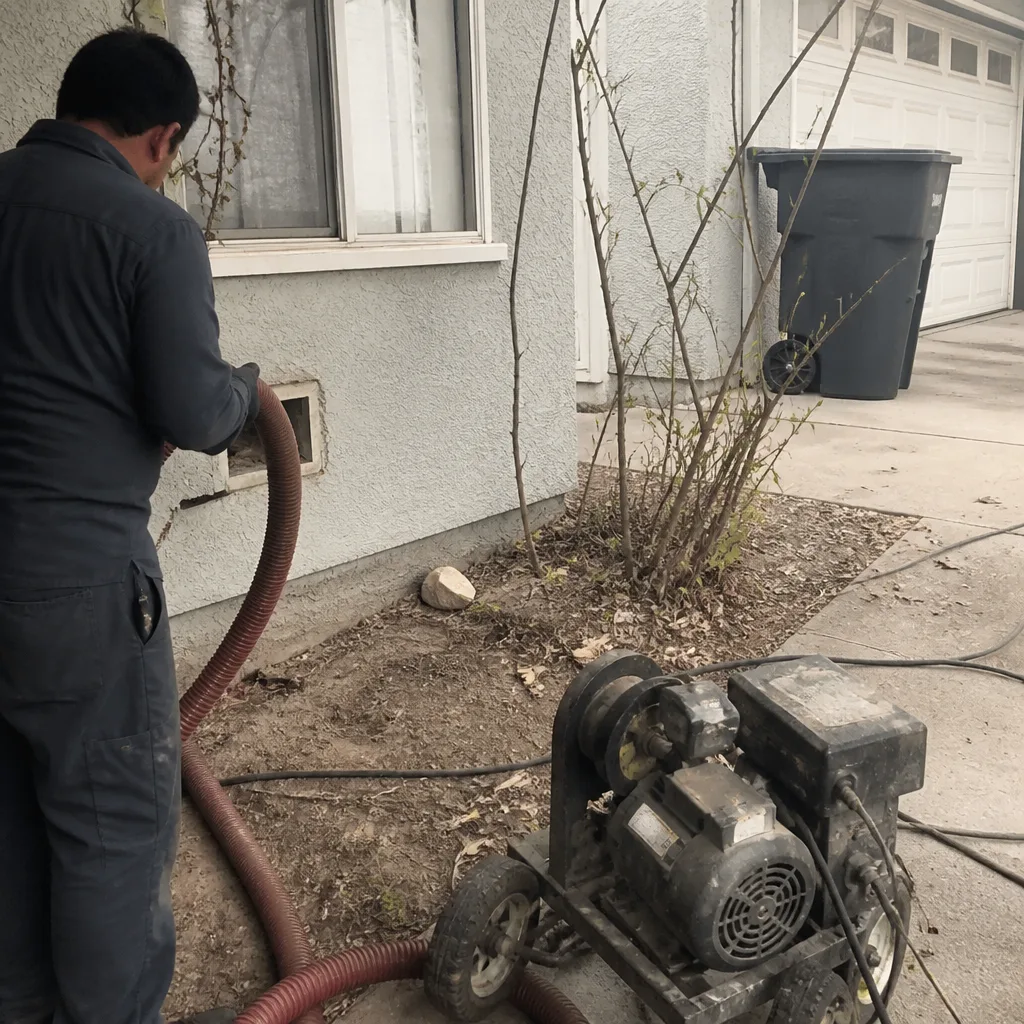 Before
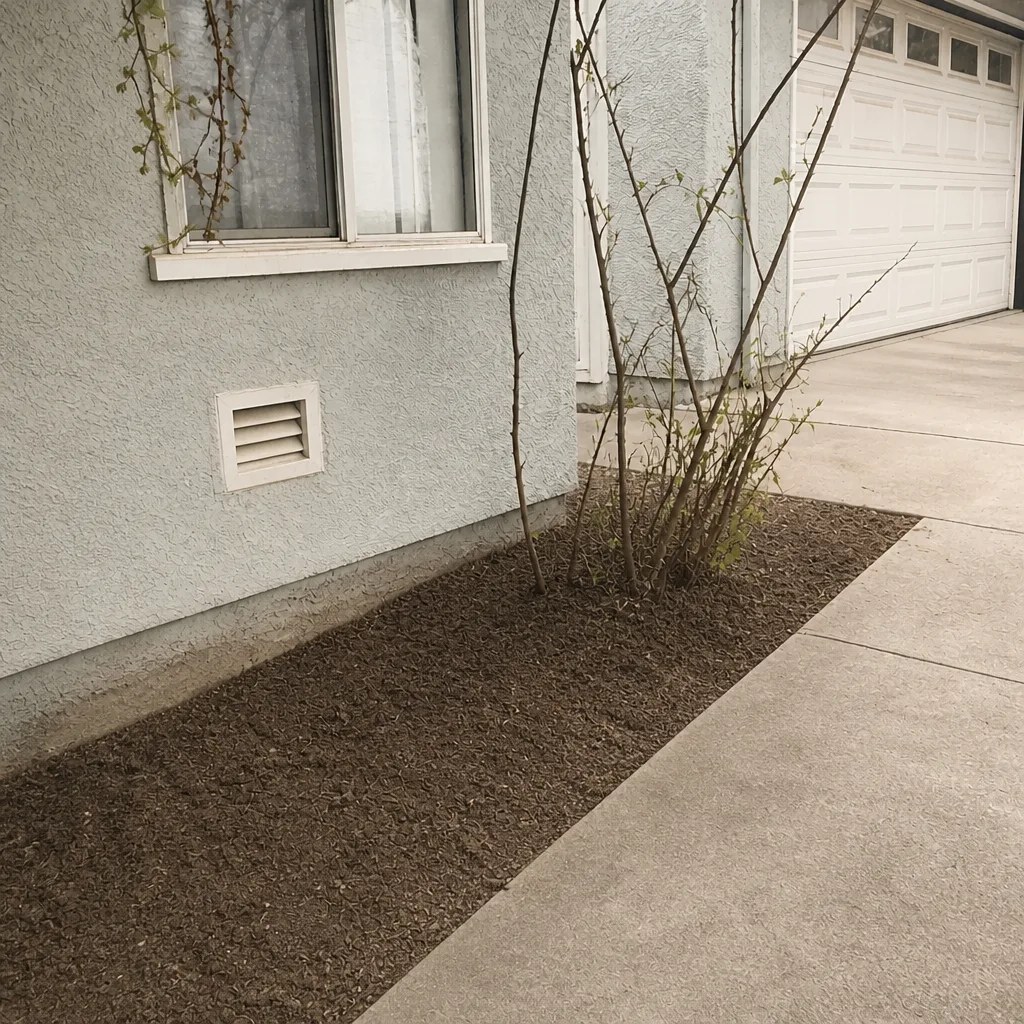 After
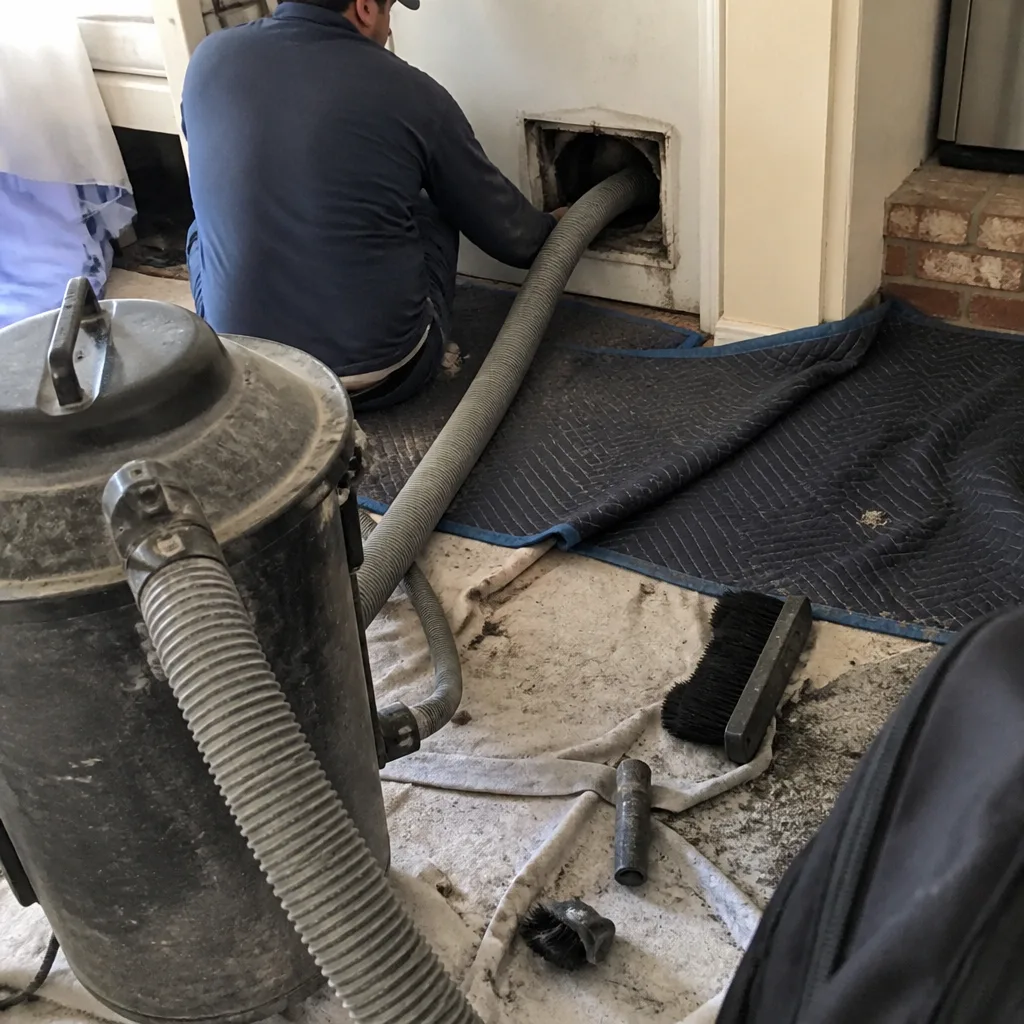 Before
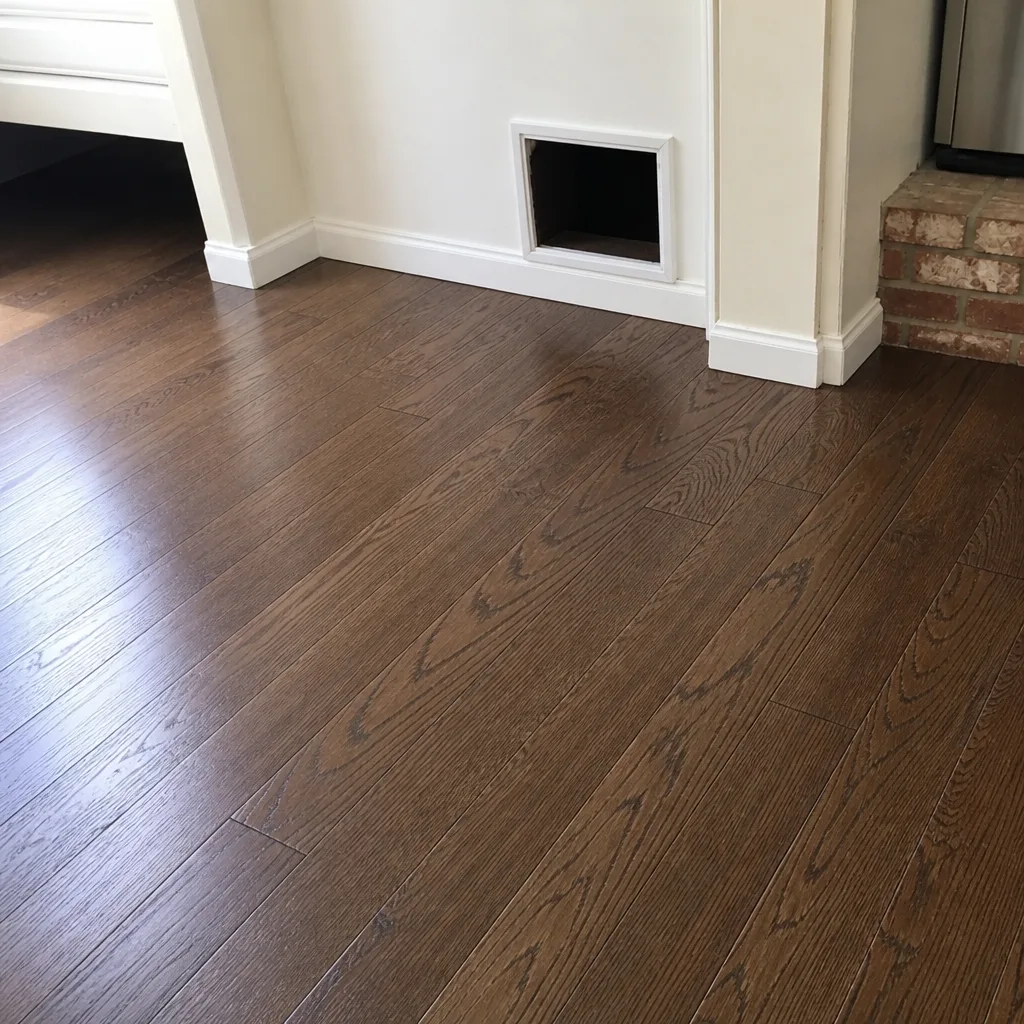 After
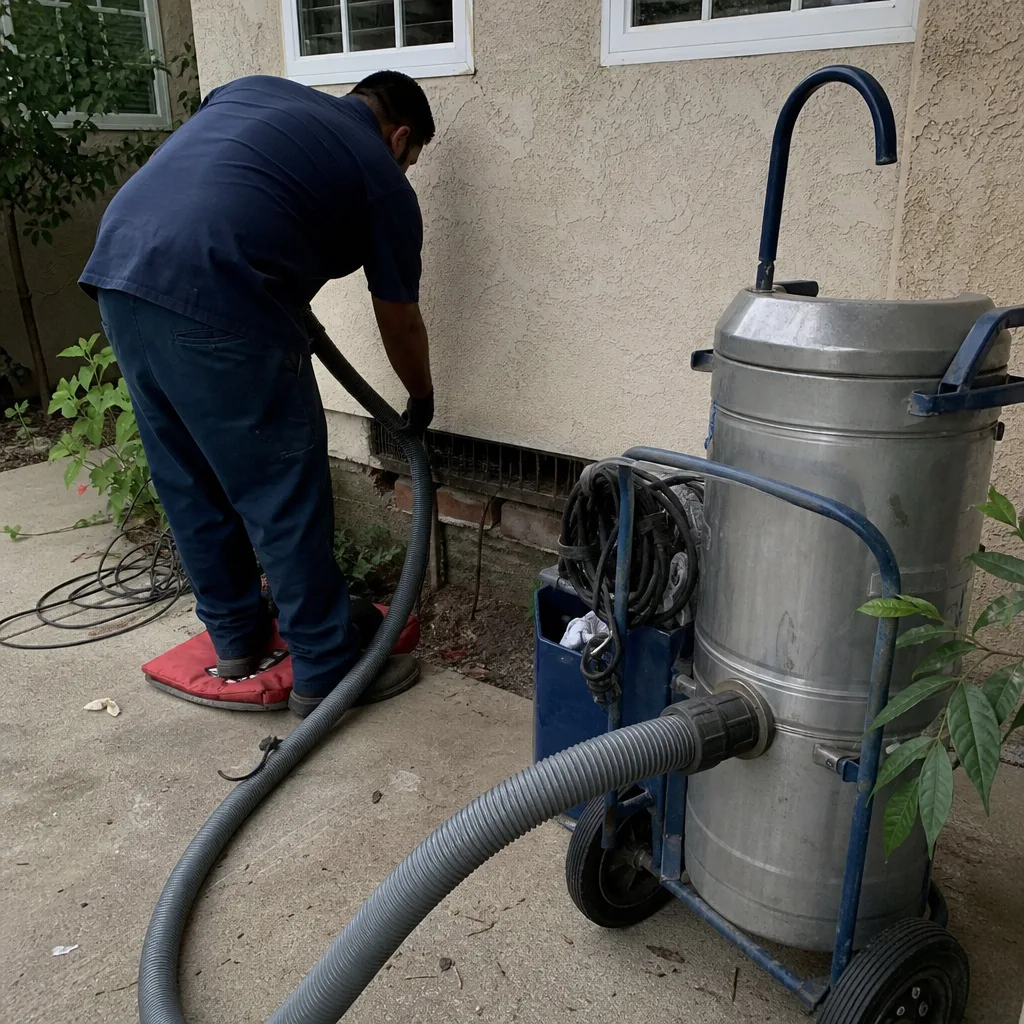 Before
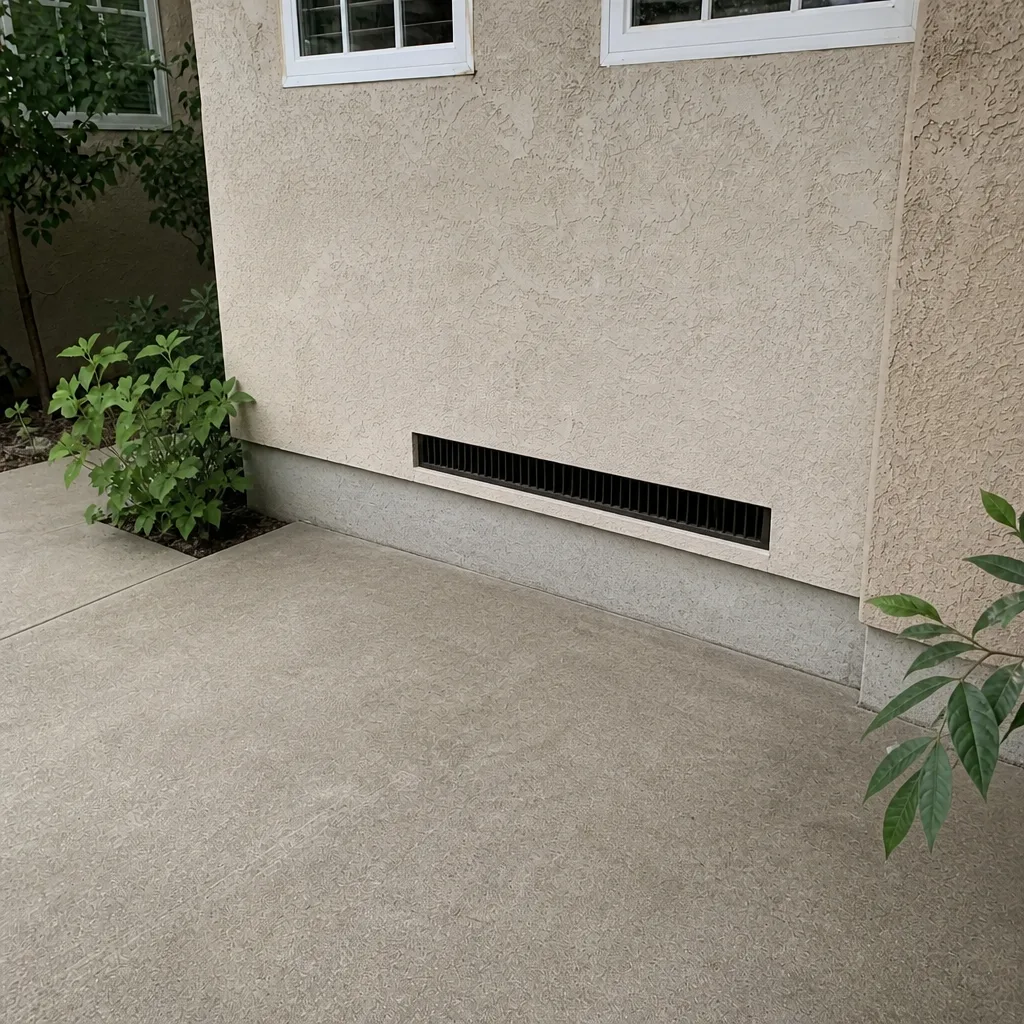 After
Common Mistakes to Avoid
- Assuming all duct work is permit-free. Cleaning is permit-free, but repair and new duct often are not. Confirm the scope in writing before work starts.
- Letting a contractor reattach or replace duct “as part of the cleaning.” If the scope quietly expands from cleaning into repair, stop and ask whether a permit is required for the added work.
- Paying for a permit that never gets finaled. An open permit shows up on a property record. Get the final inspection documentation in your hand before final payment.
- Treating the DTS as a formality. Civil Code 1102 asks about unpermitted alterations. An honest answer is easier when you have the permit and inspection in your file.
- Accepting before-and-after photos that aren’t your ducts. Demand photos of your own system. Stock photos tell you nothing about the work done in your home.
- Hiring on price alone. A low quote that skips the permit, the inspection, or the sealing isn’t a bargain. It’s an unpermitted condition waiting to be discovered.
- Not knowing which code edition is in force. The California Mechanical Code updates, and LADBS is the authority on what applies to your job. Ask the contractor and confirm with the department.
When to Call a Professional
If you’re scheduling routine cleaning and no repair is involved, this is a straightforward job with no permit question. But some situations call for a professional who can assess the whole system and tell you whether repair and a permit are part of the picture: duct work that’s visibly disconnected in the attic or crawlspace, a room that never gets enough air, dust that returns within days of cleaning, a musty smell that comes and goes with the HVAC running, or a home sale on the horizon where the duct work’s history is unknown. Our technicians have up to 14 years of experience and can walk the system with you and put the scope in writing. Air Duct Cleaning Eagle Rock offers free estimates in Eagle Rock. Call (855) 683-8612. We answer 24/7. Fast dispatch from 7am to 7pm, Sunday through Friday.
Frequently Asked Questions
No. Air duct cleaning is classified as maintenance and does not require a permit from the City of Los Angeles. A permit becomes relevant only if the job includes duct repair, modification, new duct sections, or sealing that’s part of a larger mechanical alteration. If your contractor starts talking about repairs, ask about the permit before the work continues. Call (855) 683-8612 for an exact quote on your scope; estimates are free.
An unpermitted condition stays with the property and can surface during a home sale or insurance claim. Under California Civil Code 1102, sellers complete a Transfer Disclosure Statement that asks about alterations made without permits, and an undocumented duct repair can become a negotiation point for a buyer. The fix is usually to have the work reviewed and brought into compliance. Call (855) 683-8612 and we’ll walk you through what’s involved; estimates are free.
It depends on the scope. Sealing joints and connections during a cleaning visit is maintenance. Sealing as part of a system alteration, or sealing that requires cutting into duct work, is typically treated as permitted construction. The dividing line is whether the system is being changed or simply maintained, and LADBS is the authority on which applies to your address. Call (855) 683-8612 to discuss your job.
Cleaning removes debris from the existing system without changing it. Repair reconnects, replaces, or seals parts of the system that are damaged or disconnected, and it often requires a permit and inspection. Cleaning makes the air cleaner; repair makes the system hold together so it stays that way. Call (855) 683-8612 for a quote on either service; estimates are free.
Ask for before-and-after photos of your own ducts and a written scope that matches what you were quoted. For permitted work, ask for the permit number and the final inspection record. A contractor who can’t produce them hasn’t finished the job. Call (855) 683-8612 to schedule a cleaning with documentation included.
No. Dryer vent cleaning is maintenance and doesn’t require a permit. It’s still worth keeping the paperwork, because dryer vent work is a fire-safety service and documentation helps if you ever need to show the vent was maintained. Call (855) 683-8612 if you want dryer vent cleaning scheduled with your duct work.
The Bottom Line
The line is simple: cleaning is maintenance, and repair, modification, or new duct installation is construction. The first doesn’t need a permit in Eagle Rock. The second usually does, and the LADBS inspection that comes with it is the only independent check on the work. If you’re selling a home, the permit and final inspection are the paperwork that makes a Civil Code 1102 disclosure answer easy. If you’re buying, the absence of that paperwork is information you can use. Either way, keep the scope, the photos, and the permit records in your home file. And if a contractor quietly reattaches or replaces duct during a cleaning visit, ask why they didn’t mention the permit.
Air Duct Cleaning Eagle Rock works on the full air pathway: ducts, the HVAC system, dryer vents, repair and sealing, and post-clean sanitizing. We use professional grade equipment from Rotobrush for rotary brush cleaning and Abatement Technologies for containment and filtration, and we can tell you plainly whether your job crosses into permitted territory. Call (855) 683-8612 for a free estimate. We answer 24/7. Fast dispatch from 7am to 7pm, Sunday through Friday.
Written by the team at Air Duct Cleaning Eagle Rock.