
Last updated November 22, 2026
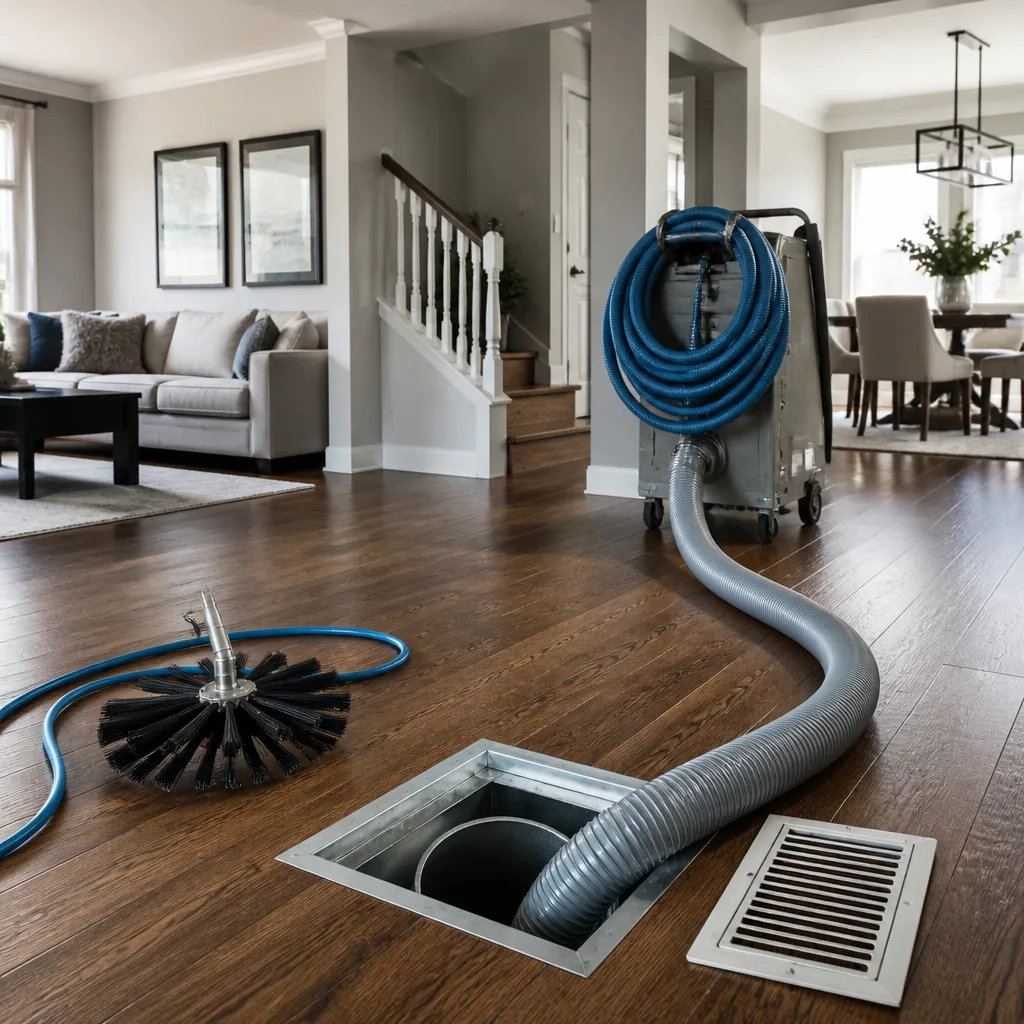 Whole-home duct cleaning
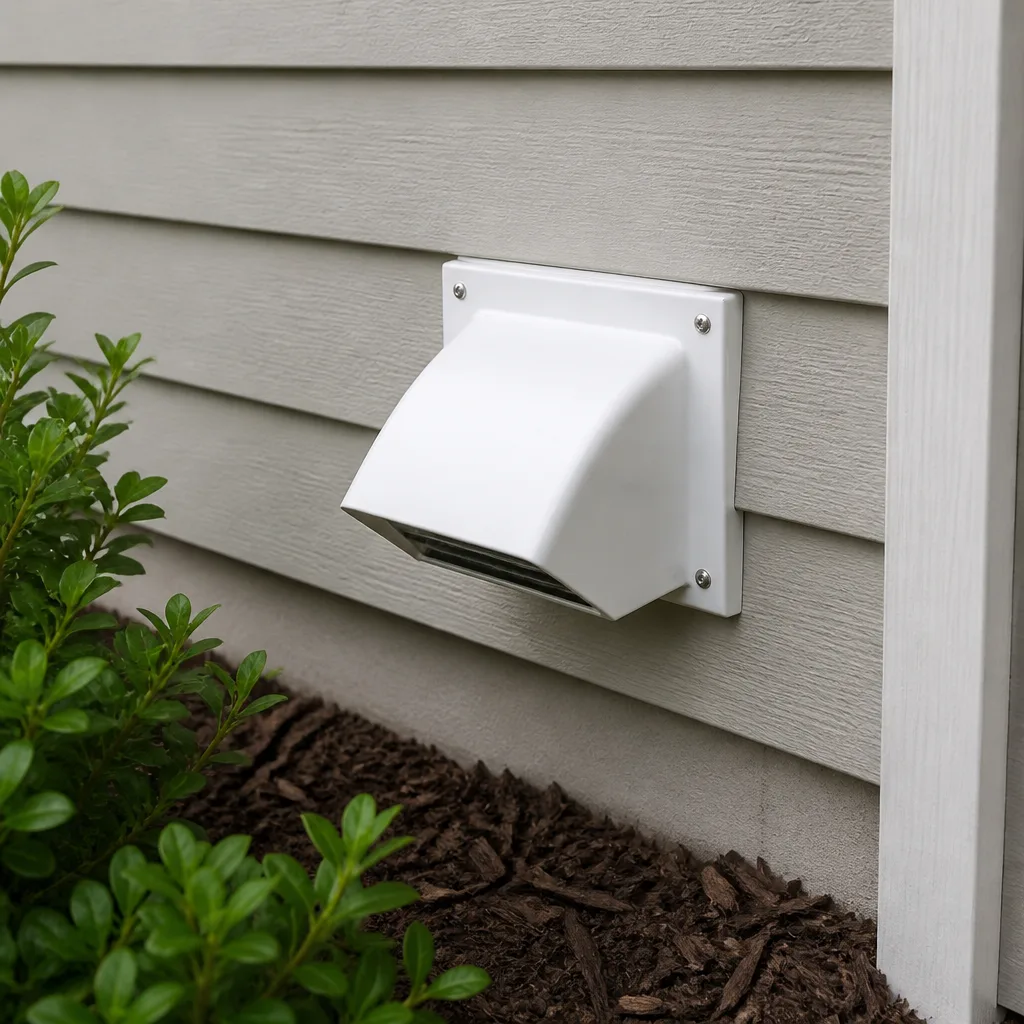 Dryer vent cleaning
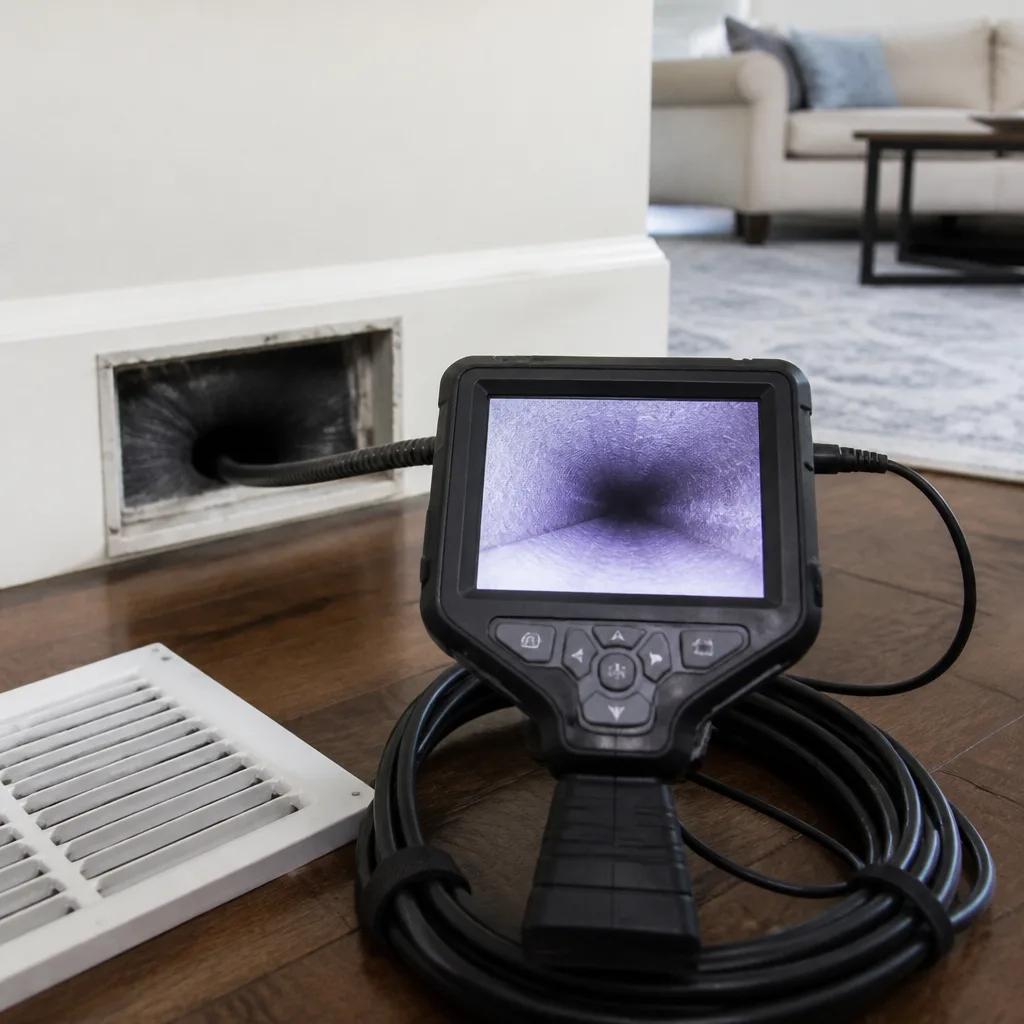 Camera inspection
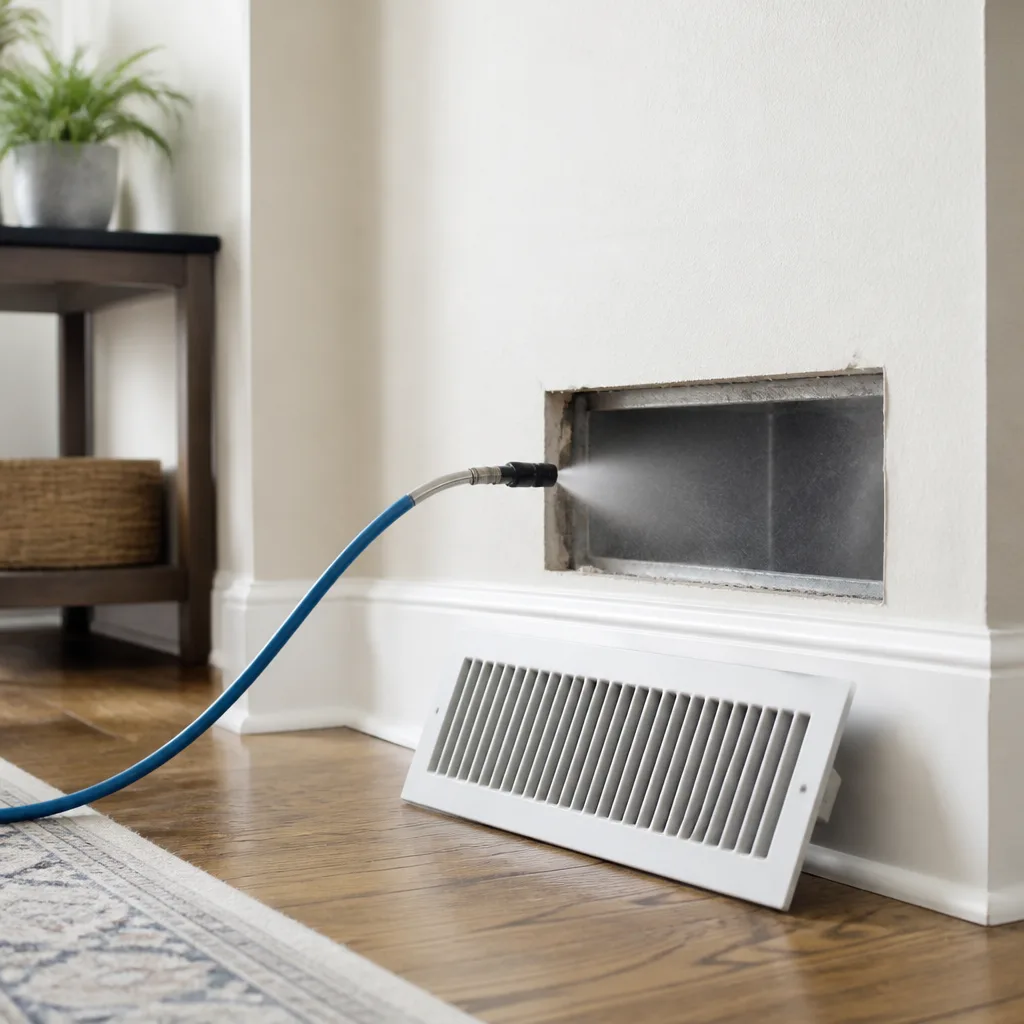 Sanitizing & deodorizing
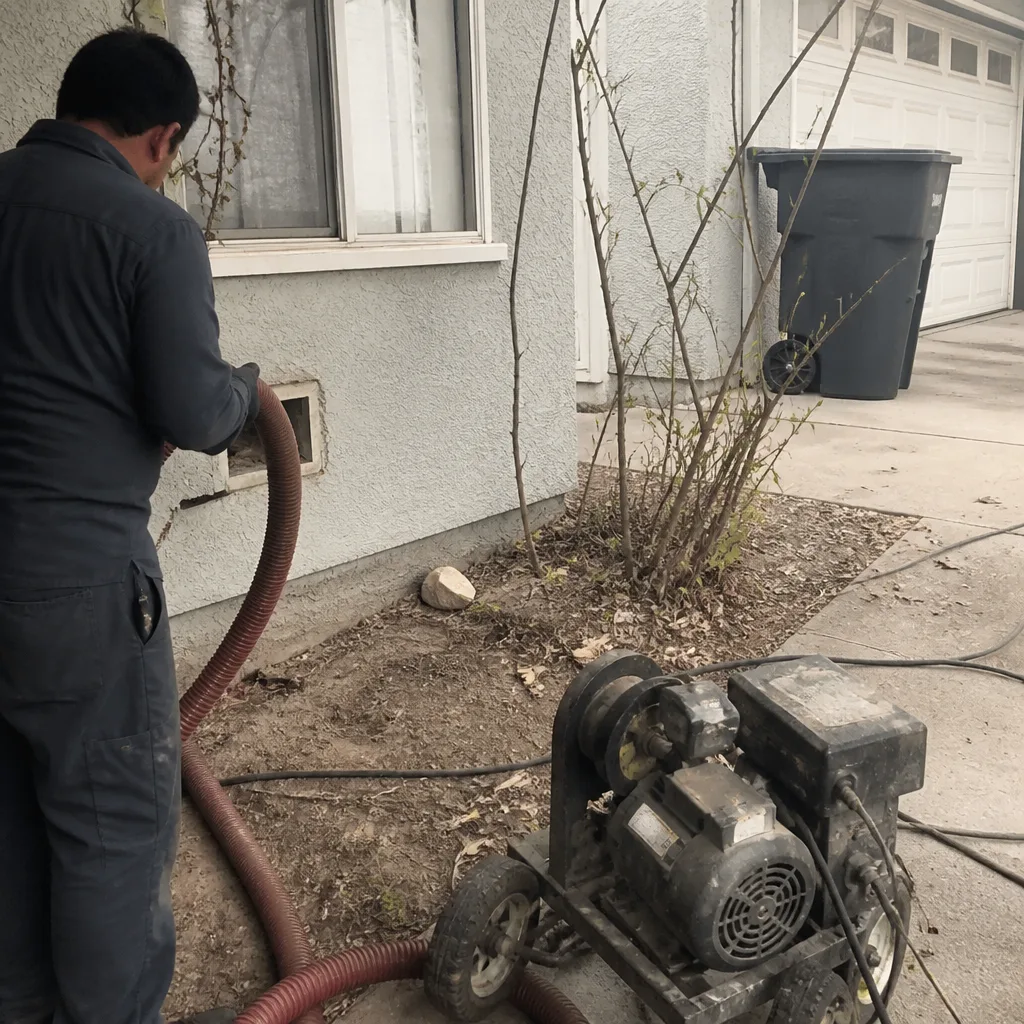
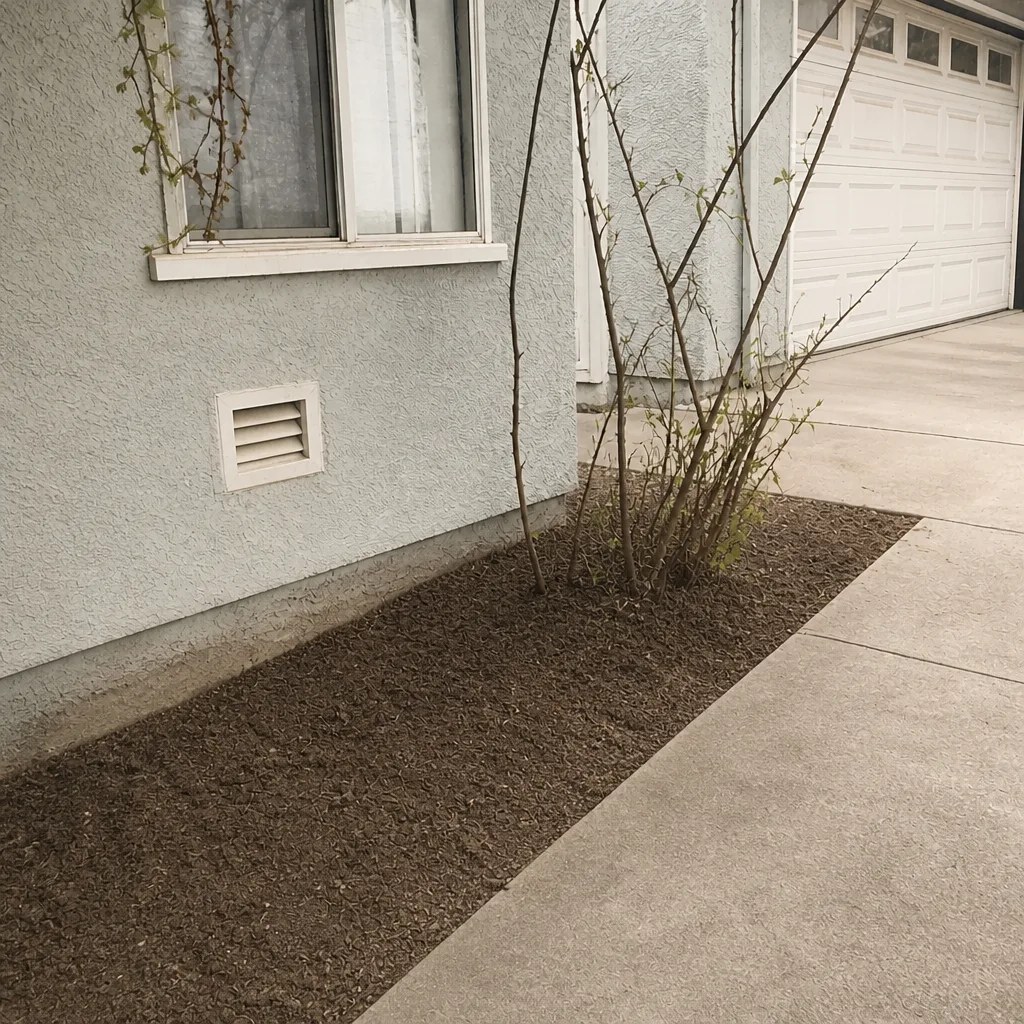
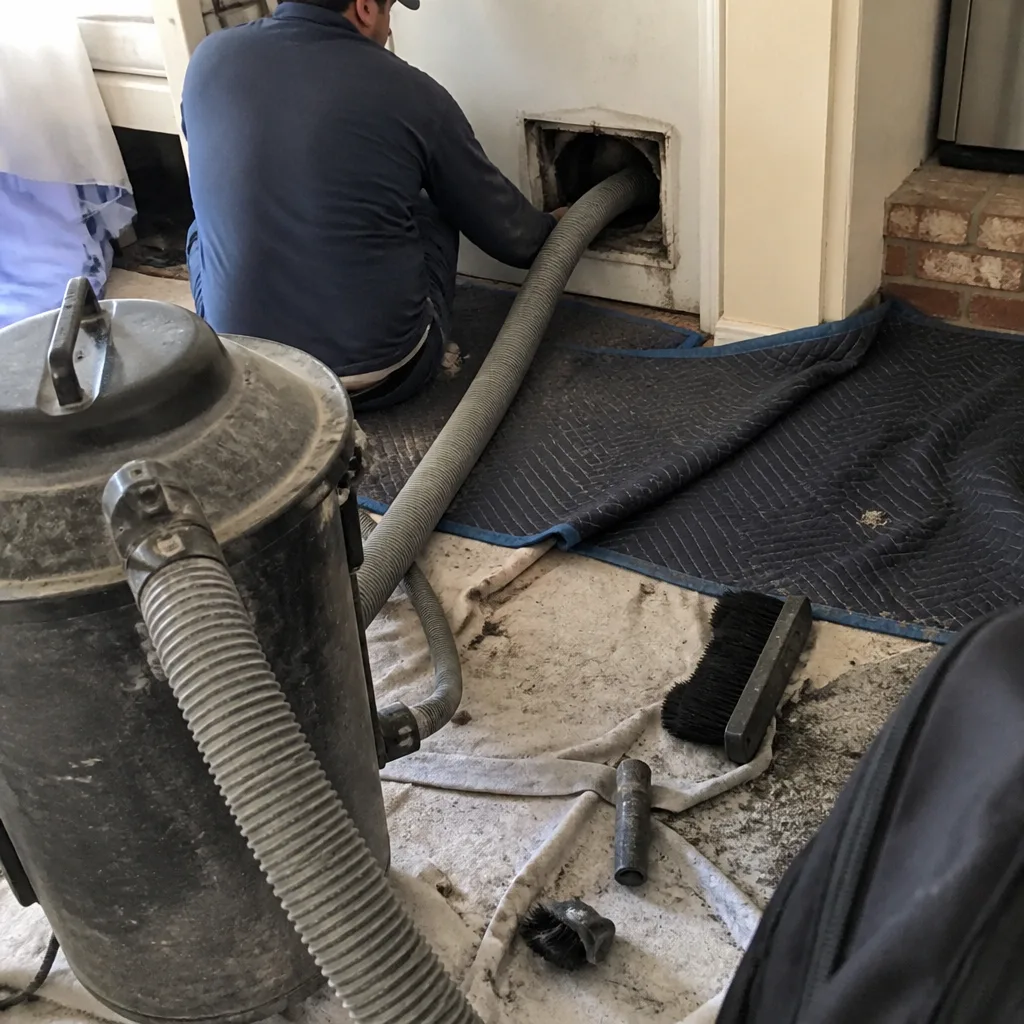
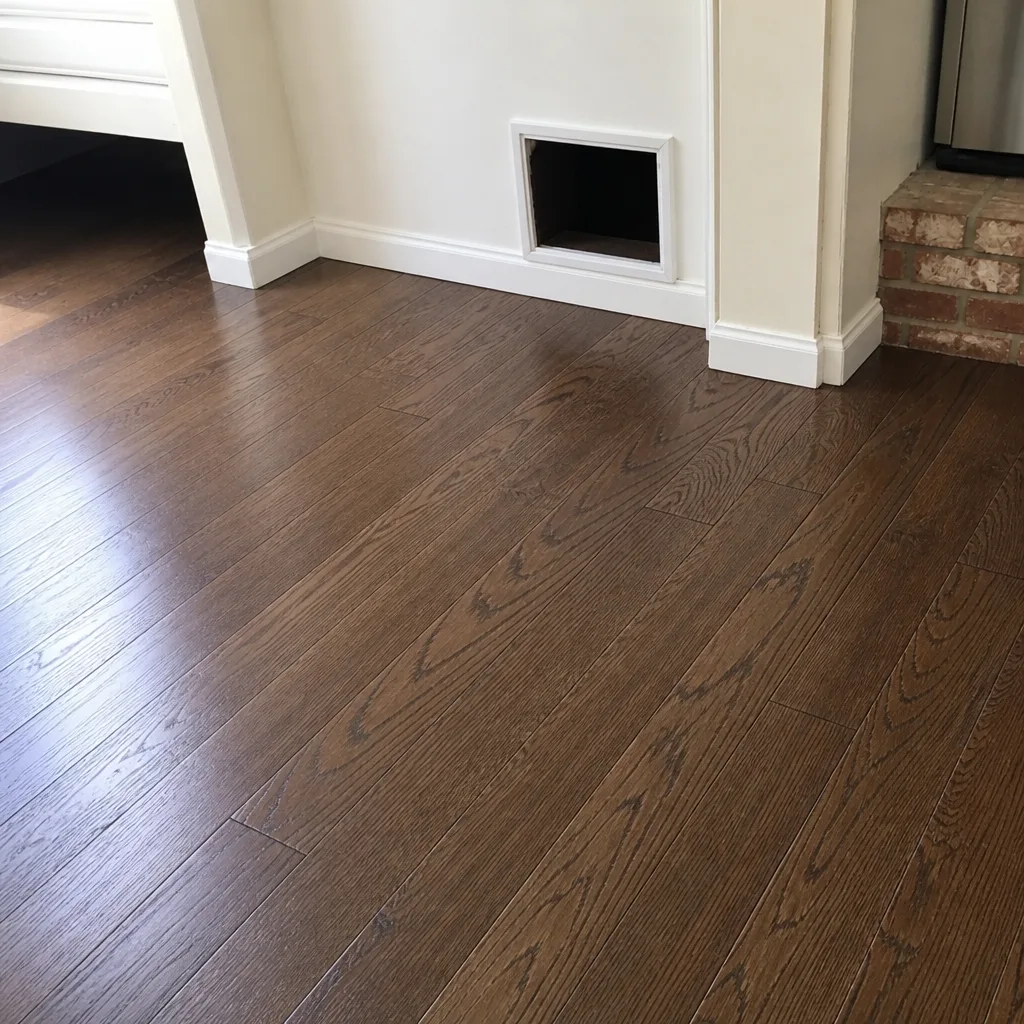
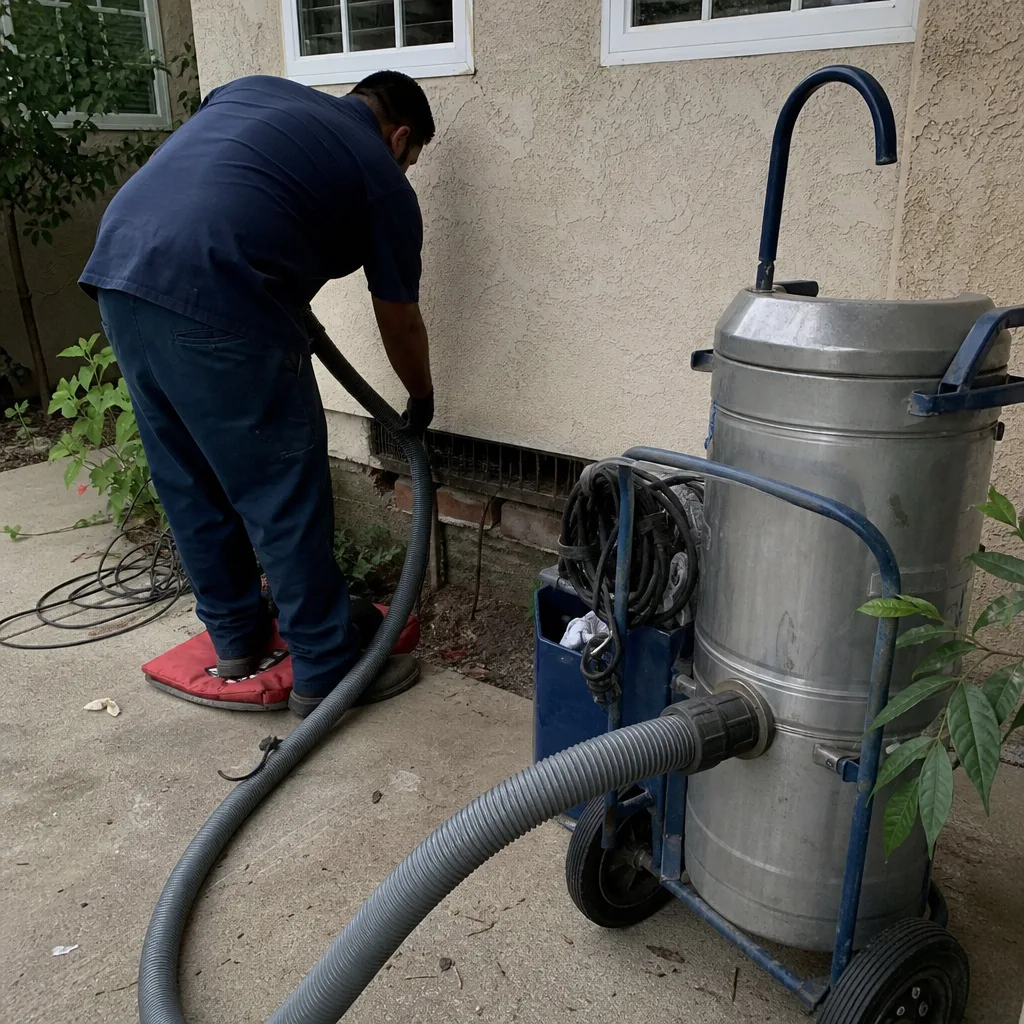
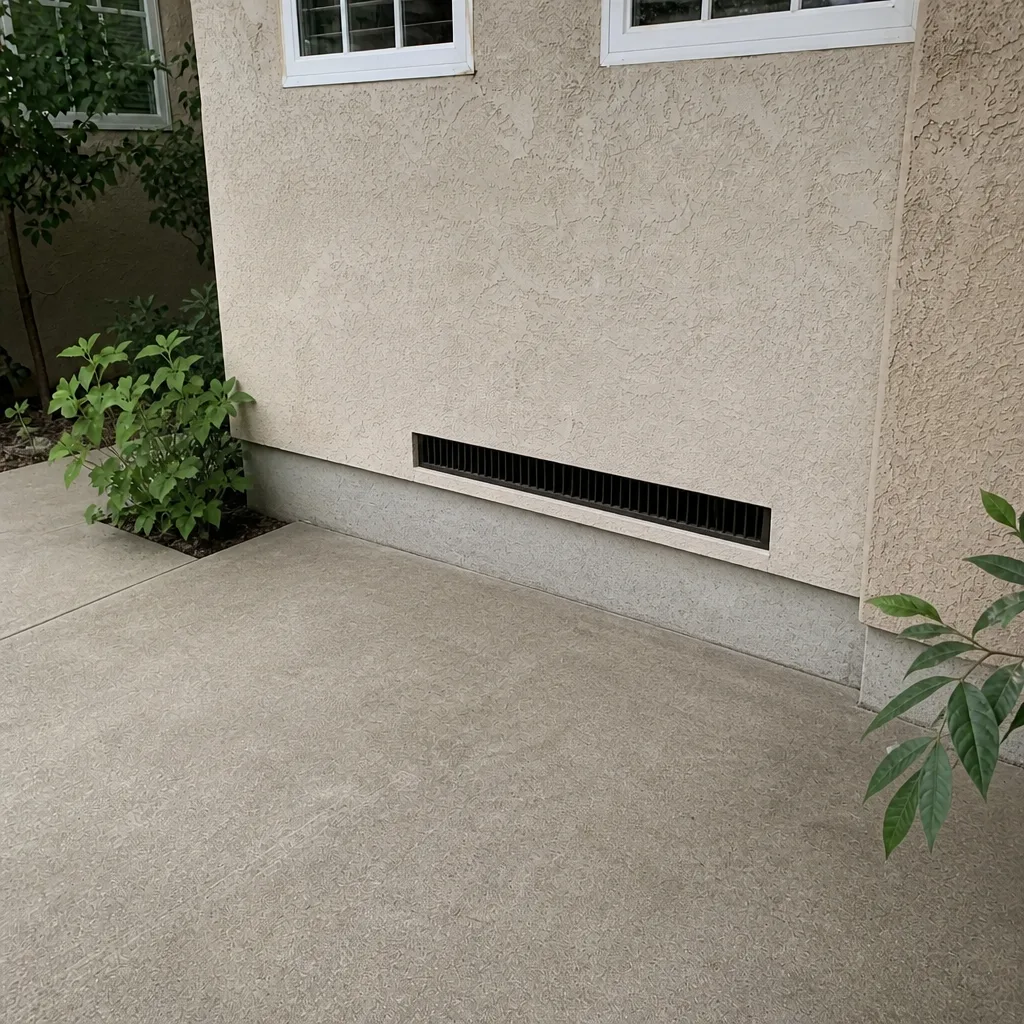
Whole-system duct and dryer vent check with before-and-after photos - you see exactly what came out of your vents
That "$99 whole-house special" is a bait ad - the real number appears once they are in your hallway, or the "clean" is a shop-vac at the register. We photograph the inside of your ducts before and after instead.
Seasonal Air Duct Cleaning Care for Eagle Rock: Year-Round Homeowner’s Guide
Most year-round HVAC guides are written for climates with real winters. In Eagle Rock, the highest duct contamination risk doesn’t arrive in January. It arrives in October and November, when Santa Ana winds push dry, dust-laden air through every gap in a building envelope and settle fine particulate matter deep inside return ducts before anyone thinks to check. By the time a homeowner notices musty smells or rising dust, the system has been circulating that load for months. This guide maps duct care to Eagle Rock’s actual climate calendar: a wildfire smoke season, a wind season, a mold-risk marine period, and a spring pollen surge. You’ll learn what to check and when, how each season stresses your system differently, and where the line sits between a homeowner’s inspection and a job for professional equipment.
Quick Answer
In Eagle Rock, air ducts need attention on a climate-driven schedule rather than a fixed annual one: a pre-Santa-Ana seal and filter check in fall, a moisture inspection during the marine-layer months, a return-duct cleaning after spring pollen peaks, and a full system inspection before summer’s continuous cooling load. Wildfire smoke events override the schedule entirely and usually call for HEPA-rated cleaning and sanitizing once the smoke clears. Seasonal care here is about timing the work to what the local air is actually doing, not just cleaning once a year and hoping.
Styles & brands we work with
- Whole-home duct cleaning
- Dryer vent cleaning
- Camera inspection
- Sanitizing & deodorizing
Table of Contents
- Why Eagle Rock’s Duct Calendar Doesn’t Match the Textbook Four Seasons
- Fall: Pre-Santa Ana Sealing and Filter Checks
- Winter: Marine Layer, Condensation, and Early Mold Risk
- Spring: Pollen in Return Ducts and the Tree Canopy Effect
- Summer: The Pre-Cooling-Season Inspection Checklist
- Wildfire Smoke Events: How They Change Cleaning Urgency
- Why the Whole HVAC System Matters, Not Just Vents
- Dryer Vents: The Seasonal Fire-Safety Check
- Common Mistakes to Avoid
- When to Call a Professional
- Frequently Asked Questions
- The Bottom Line
Why Eagle Rock’s Duct Calendar Doesn’t Match the Textbook Four Seasons
Eagle Rock sits in a part of Los Angeles where the seasonal drivers are wind, smoke, marine moisture, and pollen rather than snow and hard freezes. That changes what stresses a duct system and when. A guide built for a four-season climate tells you to worry about winter condensation and summer cooling loss. Here, winter is mild and the bigger moisture concern comes from the cool, damp marine layer that pushes inland on certain days. The wind season is October and November, not January. And the single biggest air-quality event in any given year is often a wildfire that isn’t on any calendar at all.
We map the year into four working windows, each with a different emphasis:
- Fall (October – November): Santa Ana wind season. High-velocity dry wind drives particulate matter into every envelope gap; filter and seal checks come first.
- Winter (December – February): Marine-layer moisture. Condensation inside ducts and early mold-risk conditions get the attention.
- Spring (March – May): Pollen surge. Return ducts accumulate the heaviest load of the year under Eagle Rock’s oak, eucalyptus, and jacaranda canopy.
- Summer (June – September): Continuous cooling load. Pre-season inspection finds contamination before the system runs nonstop and amplifies it.
An unscheduled fifth window is wildfire smoke, which can hit in any month and overrides the rest. The point of the calendar isn’t to sell five cleanings a year. It’s to tell you which check matters in which season so that a single professional cleaning lands at the right moment and your own maintenance between visits targets the real risk.
Fall: Pre-Santa Ana Sealing and Filter Checks
Santa Ana winds are the defining airborne-particulate event of Eagle Rock’s fall. They’re dry, they’re fast, and they pick up loose soil and dust across the region and drive it against every building. A duct system with leaky joints, a poorly seated filter, or gaps around a return plenum becomes a dust injection point for weeks. The pre-season work in October is about closing those openings before the winds arrive, not cleaning up after.
Here’s the pre-Santa Ana check we recommend homeowners run each fall:
- Look at the return filter and its housing. The filter should seat flat with no visible gap around the edges; a filter that’s loose in its slot lets unfiltered air bypass it entirely.
- Walk the accessible duct runs in the attic or crawlspace with a flashlight. Look for separated flex duct, torn outer jacket, or disconnected joints, especially at the plenum and at registers.
- Feel around accessible duct seams while the system runs. Air moving at a seam is air you’re paying to cool and dust you’re failing to filter.
- Check the register boots at the wall or floor. Gaps between the boot and the drywall let wind-driven dust into the wall cavity and often back into the return.
- Note the filter’s condition and plan a replacement before the wind season rather than mid-event, when a clogged filter adds strain during the days the system runs hardest.
Where we find leaks during a seasonal visit, we don’t just clean around them. Duct repair and sealing is a separate service from cleaning, and fixing a joint or a boot properly addresses the root cause of air loss and contamination. Cleaning a leaky duct system without sealing it is a temporary result; the same infiltration returns with the next wind event. If you want the full picture of what professional air duct cleaning covers in this climate, that page walks through the process step by step.
Winter: Marine Layer, Condensation, and Early Mold Risk
Eagle Rock’s winters are mild, so the moisture problem isn’t frozen pipes or ice. It’s the marine layer: cool, damp air that pushes inland and raises relative humidity for stretches at a time. When that humid air reaches cool metal ductwork, especially in an unconditioned attic or crawlspace, condensation can form on the duct walls. Damp duct interiors plus settled dust is the condition mold needs. Catching it early is the whole game, because surface condensation is easy to address and established growth inside insulated flex duct usually isn’t.
During the marine-layer months, watch for these early warning signs:
- Musty or earthy odor from registers when the system starts up, strongest after a damp stretch.
- Visible moisture or staining on duct insulation or on the ceiling or wall around a register boot.
- Damp patches on flex duct jacket in the attic or crawlspace, or condensation dripping from metal duct sections.
- Allergy-type symptoms indoors that track with the weather rather than with pollen season.
- Higher-than-usual dust around registers after the system cycles, which can signal damp dust clinging and then releasing.
What you should not do is open a duct run and try to clean or treat the interior yourself. Insulated flex duct tears easily, and disturbing a contaminated duct by hand spreads what’s inside into the air you’re trying to protect. A professional inspection confirms whether you’re seeing surface condensation (manageable) or growth inside the duct (a cleaning and sanitizing job). Post-clean sanitizing with products like Guardsman in the finishing step is the standard way to address the surface after the contamination is removed. If you suspect moisture trouble, the free estimate is the right first move; call (855) 683-8612. We answer 24/7. Fast dispatch from 7am to 7pm, Sunday through Friday.
Spring: Pollen in Return Ducts and the Tree Canopy Effect
Eagle Rock’s tree canopy does something to spring that a flat, treeless neighborhood doesn’t experience. Oak, eucalyptus, and jacaranda all release pollen within a few weeks of each other, and the neighborhood’s hilly streets and mature trees hold that pollen close to the ground and against the homes. Your return ducts are the vacuum of the house. Every hour the system runs, it pulls outdoor pollen through whatever leaks exist and deposits it on the return-side surfaces. By late spring, many homes have a heavier pollen load in the return plenum than anywhere else in the duct system.
Why the return side and not the supply side? Supply ducts push filtered air outward. Return ducts pull air back, and they collect whatever makes it past the filter or slips in through leaks. Add the tree canopy and spring’s variable wind, and the return side becomes the seasonal hot spot. The practical checks for spring:
- Replace the return filter at the start of the pollen surge, not at a fixed calendar date; the filter load outpaces a normal schedule during heavy pollen weeks.
- Look at return registers closely. A visible film of fine yellow or pale dust around a return grille is pollen film, not ordinary household dust.
- Smell the air at a return register when the system starts. A grassy or sweet outdoor smell pulled from the return suggests pollen is reaching the duct interior, not just the grille.
- Schedule a return-duct cleaning after the peak, not during it. Cleaning mid-surge means the duct reloads before the season ends.
- Keep the system fan on “auto” during heavy pollen weeks so it isn’t continuously pulling outdoor air when the house doesn’t need conditioning.
The spring pollen load is also a good moment to think about indoor air quality as an umbrella rather than a single service. Filtration and air-quality products from Honeywell and Aprilaire are part of how we approach spring cleaning in Eagle Rock, because after the ducts are clean, improving what the system filters determines how fast the ducts reload.
Summer: The Pre-Cooling-Season Inspection Checklist
Summer in Eagle Rock means the system runs continuously for months. That’s the season when any existing contamination gets amplified: a light dust film in a duct in April becomes a circulating problem by August, and a small seal leak becomes a constant trickle of hot attic air into the supply. The pre-summer inspection is about finding those conditions before the continuous run begins, when a fix is quick and a cleaning is scheduled rather than rushed.
Run this checklist before the cooling season:
- Filter and housing: swap the filter and confirm it seals flat with no bypass gap.
- Visible duct runs: check attic and crawlspace runs for separated joints, torn jacket, or sagging flex that’s pinched against framing.
- Register airflow: with the system running, confirm each register has steady flow; a weak register often points to a disconnected or crushed branch rather than a dirty filter.
- Return plenum and returns: look for pollen film and dust build-up on the return-side surfaces. This is the side that loads fastest here.
- Odor check: run the system for a few minutes and smell the supply air. A musty or “old house” smell is a sign of contamination the continuous summer run will keep circulating.
- Evaporator coil and air handler area: if accessible, check for dust build-up around the coil; a dust-loaded coil loses efficiency all summer.
- Duct seams: feel seams while the system runs; leaks at the plenum and at boots are the most common.
If the inspection turns up dust load, a professional cleaning before the season starts is the timing that pays. Cleaning during a heat wave means the system is down during the hottest days and the ducts reload immediately from high summer dust.
Wildfire Smoke Events: How They Change Cleaning Urgency
Wildfire smoke is the wildcard in Eagle Rock’s air calendar. Events like the Bobcat and Eaton fires and the recurring Southern California fire season push fine smoke particulate across the region for days at a time, and that particulate reaches indoor air through every gap the envelope has. Smoke events don’t follow the four working windows; they override them. When a smoke event passes, the question shifts from “what’s on the seasonal schedule” to “how much smoke particulate settled in the system, and does it need removing now.”
What changes after a smoke event:
- Cleaning urgency rises. Odor and particulate are now inside the ducts, not just in the room air, and the system will circulate it for as long as the contamination stays.
- HEPA-rated cleaning and containment become central. Abatement Technologies equipment is the kind used in remediation and containment work, and it’s what keeps smoke particulate from being stirred out of the duct and into the room during cleaning.
- Sanitizing extends past the duct walls. Post-clean sanitizing with Guardsman-grade products addresses surfaces the smoke film settled on, so the system isn’t left with a smoke odor that returns with every cycle.
- Filter replacement is a separate step. A filter that loaded up during a smoke event is done; it doesn’t clean itself, and running it through the following weeks keeps reintroducing particulate.
Our advice after a significant smoke event is simple: replace the filter, check for odor, and book a professional inspection rather than guessing. If the smoke has been in the house and you can smell it at a register, the duct interior almost certainly holds some of it. Repairs and sealing can also be part of the response, because gaps that let smoke in during the event are the same gaps that let it back in during the next one.
Why the Whole HVAC System Matters, Not Just Vents
A duct system is one connected air-handling unit, and treating it as a collection of registers misses the parts that load fastest. The evaporator coil, air handler, plenum, and return side are all part of the same pathway, and contamination anywhere in that path ends up in the air you breathe. A cleaning that touches only the visible vents leaves the components that do the real work untouched. That’s why a full HVAC cleaning treats the whole system as one connected unit, and why it belongs on the seasonal calendar rather than being scheduled only when something smells.
What the full-system approach covers:
- Supply and return ducts cleaned from the inside with rotary brush and negative-pressure equipment.
- Evaporator coil and air handler checked and cleaned, because a dust-loaded coil loses cooling efficiency all summer.
- Plenum and boots cleaned and inspected for separation or gap.
- Repair and seal where joints and boots leak.
- Post-clean sanitizing after the contamination is removed, not before.
For duct interiors we use Rotobrush rotary brush technology and Nikro negative-pressure equipment, the same professional-grade tools used in commercial and remediation work rather than consumer machines. The difference is containment: a consumer machine blows debris around a duct; a professional system holds it under negative pressure so it comes out of the system, not into the room. If you’re starting seasonal duct care for the first time, the full-system route is where to start; call (855) 683-8612 for a free estimate and we’ll tell you which service window your home is in.
Dryer Vents: The Seasonal Fire-Safety Check
Dryer vent cleaning is a separate service from air-quality work, and it belongs on the seasonal calendar for a different reason: fire safety. Lint accumulates in the dryer vent line every cycle, and a restricted vent raises the risk of a lint fire and forces the dryer to run longer and hotter. The seasonal check is simple and worth doing alongside the fall and spring duct checks, because the two jobs share the same attic and crawlspace runs and are easy to combine into one visit.
Seasonal dryer vent checks to run:
- Feel the outside vent flap while the dryer runs; weak airflow means a restriction.
- Check the dryer’s lint filter and the cavity behind it for lint bypass.
- Look at the vent run for crushed or sagging flex, especially where it passes through the wall or attic.
- Smell for a hot or burnt odor at the dryer; this is a safety signal, not a normal dryer smell.
- Schedule professional dryer vent cleaning if the run is long, has multiple elbows, or hasn’t been cleaned in a while.
We keep dryer vent work on its own schedule because the failure mode is different. Duct contamination affects air quality over months; a lint-loaded dryer vent is a fire risk that builds quietly. Cleaning it as part of a seasonal visit is the low-effort way to keep both systems inside their safe operating window.
Common Mistakes to Avoid
- Following a four-season guide written for a real winter. Scheduling a big winter cleaning while skipping the October Santa Ana seal check leaves your system exposed during the wind season when infiltration peaks in Eagle Rock. Match the work to the local calendar.
- Cleaning a leaky system without sealing it. Cleaning a duct with open joints is a temporary result; the contamination returns with the next wind event. Duct repair and sealing is the step that makes a cleaning last.
- Cleaning mid-pollen surge. A return-duct cleaning during peak oak, eucalyptus, and jacaranda pollen reloads the duct before the season ends. Schedule after the peak.
- Ignoring a musty smell after a damp marine-layer stretch. Early moisture is the cheapest time to act; established growth inside insulated flex duct is a much larger job. Treat the smell as an inspection signal, not an annoyance.
- Skipping post-clean sanitizing. Cleaning removes the material; sanitizing treats the surface afterward. Doing one without the other leaves the odor and residue behind.
- Cleaning only the visible vents. The evaporator coil, plenum, and return side hold most of the contamination, and a vents-only cleaning misses the parts of the system that actually load fastest.
- Treating a wildfire smoke event like an ordinary week. Smoke particulate settles in the system, and a regular cleaning scheduled weeks out leaves it circulating in the meantime. Smoke events deserve a dedicated inspection soon after they clear.
When to Call a Professional
Some seasonal checks are homeowner work; others belong to professional equipment. Call a professional when you smell a musty or smoke odor at a register that persists after the event clears, when you see visible dust build-up or staining inside a return or at a seam, or when a register has weak airflow that doesn’t improve after a filter change. Call if your home has had a recent smoke event and you can still smell it inside. Call if a duct run is visibly separated, torn, or disconnected, and if you suspect moisture or growth inside a duct after a damp stretch. If you’re unsure which seasonal window you’re in, that’s also a call.
Air Duct Cleaning Eagle Rock offers free estimates in Eagle Rock. Call (855) 683-8612. We answer 24/7, with fast dispatch from 7am to 7pm, Sunday through Friday. A written estimate sets the price, and the local pro is licensed and insured as the state requires. For the full service overview, start at Air Duct Cleaning Eagle Rock.
Frequently Asked Questions
For most homes here, one full professional cleaning per year timed to the heavy-pollen and pre-summer windows is a practical baseline, with a separate smoke-event inspection after any significant wildfire smoke. Homes near heavy tree canopy or with pets may need the return side on a tighter schedule. Call (855) 683-8612 for a free estimate and we’ll match the schedule to your home.
Fall carries the highest infiltration risk because Santa Ana winds drive dry, dust-laden air against the building envelope, so the pre-season seal and filter check matters more than a mid-winter cleaning. The spring return-duct cleaning and pre-summer inspection are close behind. Fall is the front line, not the only window.
Yes. Smoke particulate settles inside the duct system during an event and stays there, and it circulates every time the system runs. Post-event cleaning uses HEPA-rated equipment and containment with Abatement Technologies, plus post-clean sanitizing, so the smoke particulate is removed rather than stirred around. If you can still smell smoke inside after the event clears, it’s worth an inspection. Call (855) 683-8612 for an exact quote; estimates are free.
A musty or earthy odor at registers (strongest after a damp stretch), visible moisture or staining on duct insulation, and allergy-type symptoms that track with the weather rather than pollen season are the common early signs. None of them confirm growth on their own. The inspection confirms whether you’re seeing surface condensation or something that needs cleaning. Call (855) 683-8612 to book an inspection in Eagle Rock.
Cheap quotes usually mean a vents-only pass with a consumer-grade machine rather than a full-system cleaning with professional equipment. That leaves the evaporator coil, plenum, and return side untouched, and it may blow debris into the room rather than contain it. A proper job uses equipment like Rotobrush and Nikro under negative pressure and treats the whole air-handling unit as one system. Call (855) 683-8612 for a full-scope quote; estimates are free.
A full-system cleaning should include before-and-after photos of your own ducts, not stock images, plus a walkthrough of what was cleaned and what was found. Ask for the photos and ask which components were covered. If a quote doesn’t mention the coil or the return side, ask before you book. Call (855) 683-8612 for a free estimate and a clear scope.
The Bottom Line
Eagle Rock’s duct calendar isn’t the textbook four-season one. The risks arrive in a specific order: Santa Ana wind infiltration in fall, marine-layer moisture and early mold risk in winter, a heavy oak, eucalyptus, and jacaranda pollen load in spring, and continuous cooling that amplifies whatever is already in the system through summer, with wildfire smoke overriding the whole schedule whenever it comes. Match your checks and cleanings to that rhythm, seal what you find rather than just cleaning around it, sanitize after the contamination is removed, and keep the dryer vent on its own fire-safety schedule. If you’d rather have a specialist map it out for your home, we’re one call away.
Frequently Asked Questions About Seasonal Timing
Start with the return filter and its housing, then check accessible attic and crawlspace duct runs for separated joints or torn jacket, then the register boots. A filter that seats flat and a duct run that’s sealed are what keep wind-driven dust out of the system during the event. If you find a separation, book a repair and seal rather than waiting. Call (855) 683-8612 for a free estimate. We answer 24/7, with fast dispatch from 7am to 7pm, Sunday through Friday.
Before. Cleaning after the system has been running continuously for weeks means you’re removing contamination that has already been circulating all summer. A pre-season inspection finds dust load and seal leaks while a fix is quick and a cleaning can be scheduled without a rush.
No. Filtration and air-quality products from Honeywell and Aprilaire help what the system filters, but they don’t remove settled contamination inside the ducts. Cleaning addresses the duct interior; filtration improves what the system captures afterward. Both belong in a seasonal plan.
Air duct cleaning covers the supply and return runs and their registers. HVAC cleaning treats the whole air-handling system as one unit, including the evaporator coil, air handler, and plenum. Most seasonal work here calls for the full-system scope, because that’s where most contamination sits.
Cool, damp marine air can condense on cool metal duct surfaces, especially in an unconditioned attic, and damp duct walls plus settled dust is the condition mold needs. Catching surface condensation early is cheap; growth inside insulated flex duct is not. That’s why the winter check focuses on moisture signs rather than dust.
Yes. Both jobs often share the same attic and crawlspace runs, and scheduling them together keeps both systems inside their safe operating window. Dryer vent work is treated as its own fire-safety service because its failure mode differs from dust and air quality. Call (855) 683-8612 for a combined free estimate.
A smoke event overrides the seasonal schedule. Replace the filter, check for smoke odor at the registers, and book an inspection soon after the event clears rather than waiting for the next scheduled cleaning. Smoke particulate settles in the system and keeps circulating until it’s removed. Call (855) 683-8612 for a post-event quote.
Yes. Homes under dense oak, eucalyptus, or jacaranda canopy load the return side faster in spring, so the return-duct cleaning after the pollen peak matters more and may come sooner. If your returns show pollen film early in the season, that’s the signal to move the cleaning up.
Written by the team at Air Duct Cleaning Eagle Rock.
See the difference
 Before
 After
 Before
 After
 Before
 After