
Last updated November 22, 2026
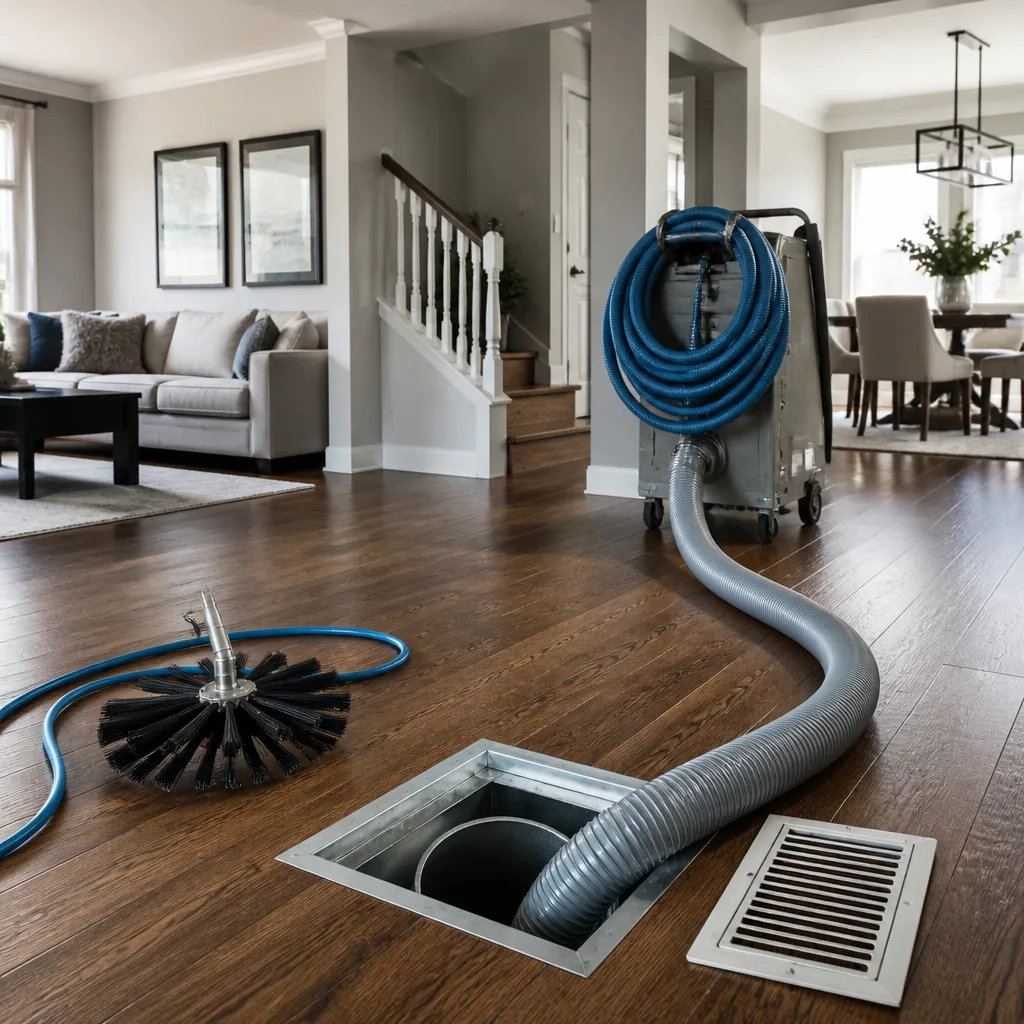 Whole-home duct cleaning
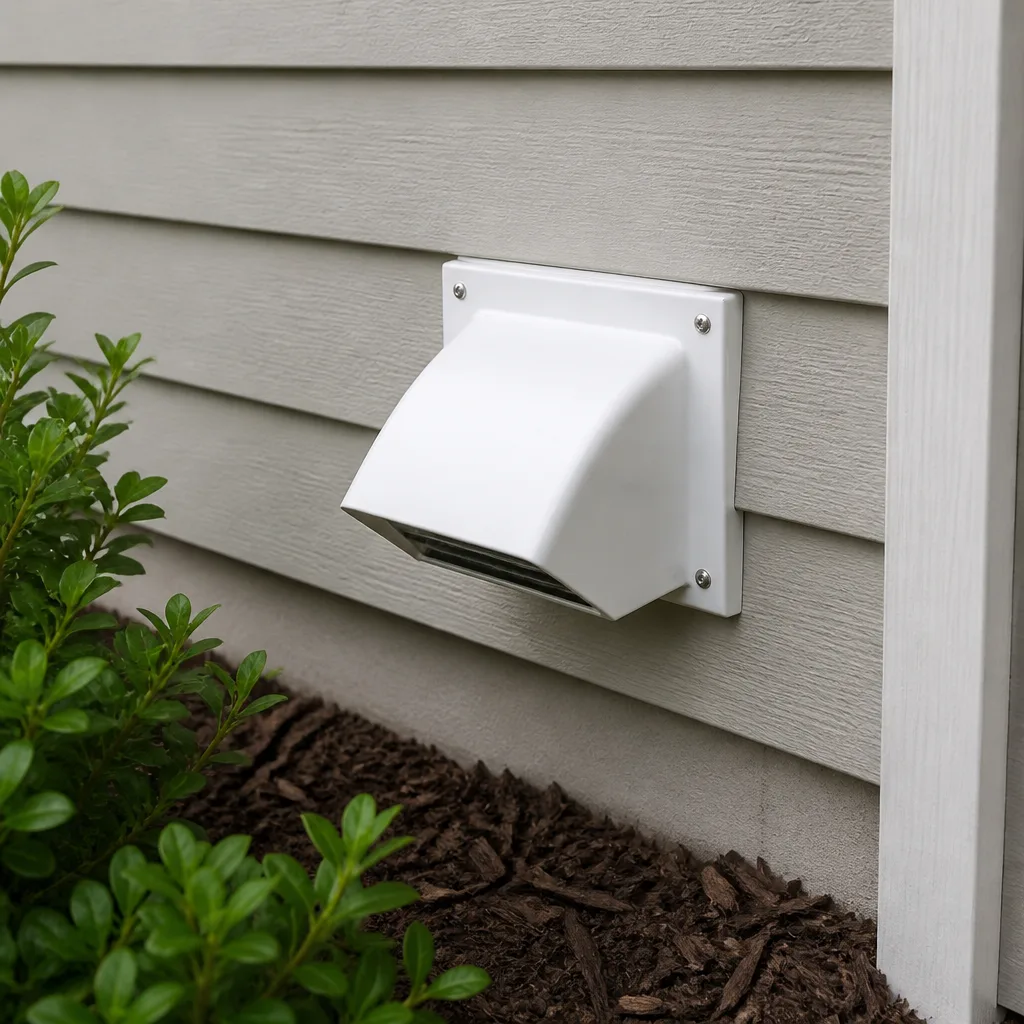 Dryer vent cleaning
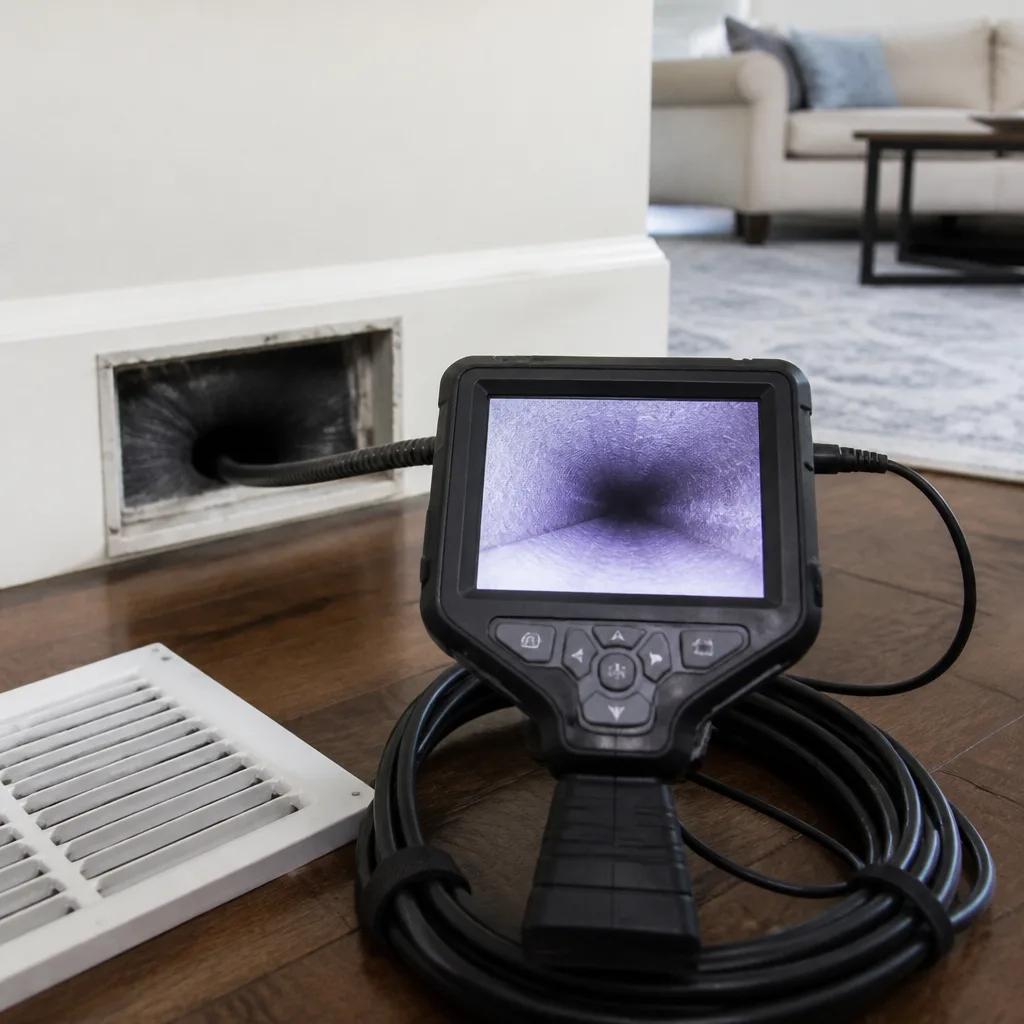 Camera inspection
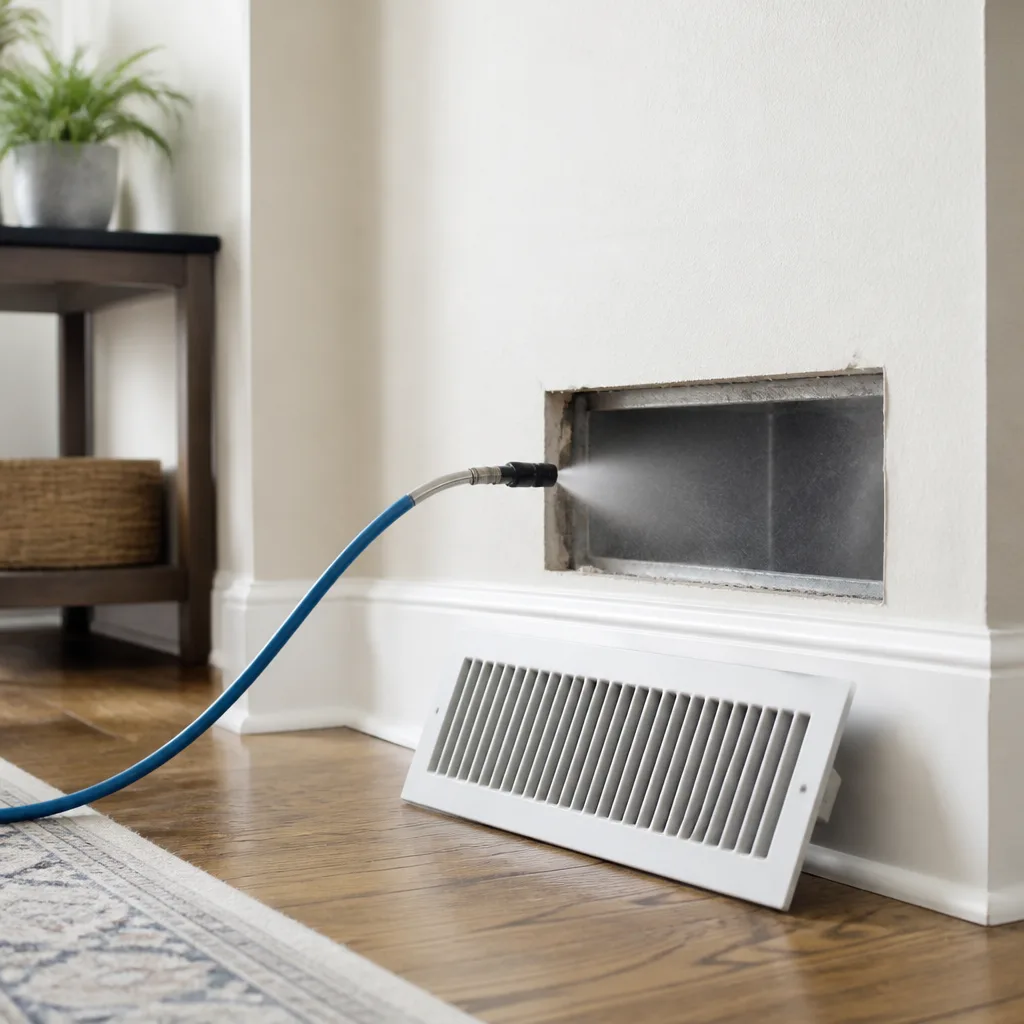 Sanitizing & deodorizing
Whole-system duct and dryer vent check with before-and-after photos - you see exactly what came out of your vents
That "$99 whole-house special" is a bait ad - the real number appears once they are in your hallway, or the "clean" is a shop-vac at the register. We photograph the inside of your ducts before and after instead.
Air Duct Cleaning Warning Signs: An Eagle Rock Homeowner’s Reference Guide
Most homeowners wait for something dramatic before they think about their ducts: a dust cloud puffing out of a register, a visible patch of mold, a smell they can’t trace. In our experience, that’s not how duct problems announce themselves. They show up as small, easy-to-explain quirks. The room that’s always three degrees warmer. The bill that crept up without a rate change. The faint musty note you’ve stopped noticing because it’s been there so long. This guide teaches Eagle Rock homeowners to read those signals accurately, separate the harmless from the actionable, and know when a system actually needs attention rather than a sales pitch.
Quick Answer
The most reliable signs your air ducts need cleaning are visible debris or discoloration inside the duct collar, a persistent musty or chemical odor when the system runs, dust that returns within days of cleaning, uneven room temperatures, and energy bills that climb without a rate change or usage increase. Visible mold, pest evidence, or duct damage call for a professional inspection rather than surface cleaning. Subtle signals matter because duct contamination builds gradually and rarely announces itself.
Styles & brands we work with
- Whole-home duct cleaning
- Dryer vent cleaning
- Camera inspection
- Sanitizing & deodorizing
Table of Contents
- Dust on the Register vs. Debris Inside the Duct
- Reading Energy Bills as a Duct-Efficiency Signal
- Smell Diagnostics: Musty, Burning, and Chemical Odors
- Allergy Patterns That Point to Ducts vs. Outdoor Air
- Warning Signs Specific to Older Eagle Rock Homes
- Uneven Room Temperatures and Collapsed Duct Runs
- A Room-by-Room Inspection Checklist
- Why Cleaning the Vents Isn’t Cleaning the System
Dust on the Register vs. Debris Inside the Duct
Here’s the distinction that saves Eagle Rock homeowners from both false alarms and real oversights. A thin film of dust on the face of a supply register is normal. Every forced-air system in every home in Eagle Rock pushes fine particles that settle on the nearest flat surface. You can wipe a register down and it stays clean for a while, then gathers dust again. That’s not a duct problem. That’s physics.
What’s actionable is what you can see when you look past the register grate, without tools. Shine a flashlight (or your phone light) into the slot and look at the inside of the duct collar, the short section of duct just behind the register boot.
- Light, even gray dusting: normal. Leave it alone.
- Thick, fibrous, or matted build-up: a sign the air stream is carrying debris that has settled and compacted. Worth an inspection.
- Discoloration or dark streaks: can indicate moisture interaction or organic growth. This is a professional-inspection trigger, not a wipe-and-forget situation.
- Visible particles, flakes, or fibers: broken-down duct lining or deteriorating tape. Needs to be diagnosed, not just vacuumed.
- Any musty smell combined with visible darkening: call for an inspection.
The reason we emphasize this distinction is that a low-effort “dusting” service will happily wipe your registers and call it done. That’s surface-level work. What matters is the inside of the system: the trunk lines, the branch runs, the air handler plenum and coil, and the return side. Our approach is to clean the whole air path, not just the vents you can see and reach. If you’re comparing quotes, ask what gets cleaned beyond the registers. That single question tells you a great deal about the scope behind the price.
Reading Energy Bills as a Duct-Efficiency Signal
Rising energy bills are one of the most overlooked duct warnings, partly because utilities adjust rates and people assume that’s the whole story. But your bill is also a rough efficiency readout. When a duct run leaks, disconnects, or becomes obstructed, the air handler works harder and longer to move the same volume of conditioned air. The system runs longer than it should, and you pay for the extra runtime.
Rather than quote a specific savings percentage (which depends on the home, the climate, and the system), the useful skill is recognizing the pattern. Look for a bill that climbs in a way that doesn’t track with weather, rate changes, or how many people are in the house.
Patterns that point toward duct issues:
- Bill creeps up over two or three cycles with no change in household size or usage.
- One season is disproportionately more expensive than the prior year’s same season.
- You’re running the system longer to reach the same comfort level.
- Both heating and cooling costs rise, not just one.
In Eagle Rock, the mild climate is a blessing and also a disguise. Because you’re not fighting extreme winter cold or brutal summer heat the way other parts of the country are, a leaking or restricted duct system often doesn’t produce the dramatic bill spikes people in harsher climates describe. Instead, it produces a slow drift you might not notice until you compare years or check a usage graph. Set-it-and-forget-it habits hide inefficiency well.
What to do with the signal:
- Pull your last 12 months of utility statements and look for a consistent upward trend.
- Rule out obvious causes: rate changes, new appliances, more people at home.
- Check whether filters are being changed on schedule and whether the outdoor unit is clean.
- If the trend persists, have the duct system inspected for leaks, disconnects, and obstructions.
If the inspection finds leaks or failed joints, cleaning alone won’t solve it. Duct repair and sealing addresses the loss at the source. Our technicians have up to 14 years of experience reading these signals, and we treat repair and seal as part of the conversation rather than an upsell bolted onto a cleaning.
Smell Diagnostics: Musty, Burning, and Chemical Odors
Your nose is an underrated diagnostic tool, and Eagle Rock homeowners often dismiss odors as “the house smell” because they’ve been present so long. Odors are one of the clearest tells about the type of contamination present, so it’s worth learning what each one points to.
Musty, earthy, or damp-basement smell
This typically points to moisture in the system: condensation around the air handler, a coil that stays wet, or ductwork in a humid space. Where there’s persistent moisture, organic growth can follow. This is the odor most often tied to contamination that a proper cleaning and sanitizing step can resolve. A musty smell that returns quickly after a filter change is a sign the source is deeper in the system.
Burning, hot, or smoky smell
If the smell appears when the heat first kicks on, it’s often dust burning off the heat exchanger or a sign of an overheated component. Persistent burning smells should prompt a call for inspection, because in some cases they signal a mechanical or safety issue that isn’t about duct cleaning at all. Never treat a burning smell as cosmetic. Have it checked before you run the system again.
Chemical, plastic, or sharp smell
This can point to off-gassing from materials, deteriorating duct sealant, or a reaction involving the duct lining itself. Some duct materials break down over time and release odor as they do. This is a diagnostic flag, not a cleaning trigger on its own.
What to note before you call:
- When does the smell appear (startup, all the time, only in certain rooms)?
- Does it change with seasons or when the system switches between heating and cooling?
- Is it strongest at a specific register or across the whole house?
- Did it start after any recent work, pest activity, or water event?
Those details help a technician diagnose faster and save you from paying for a service that doesn’t match the actual cause. Air quality and sanitizing services using Honeywell and Aprilaire products can address what you’re breathing once the source is identified; but no amount of sanitizing fixes an unresolved moisture problem underneath.
Allergy Patterns That Point to Ducts vs. Outdoor Air
Eagle Rock sits in a region with its own airborne irritants (pollen seasons, regional dust, wildfire smoke events), so it’s easy to blame all your sneezing on the outdoors. The useful distinction is timing and location. Outdoor air quality affects nearly everyone at once and tends to follow the news, the season, and weather patterns. Duct contamination affects your household specifically and, crucially, gets worse when the system runs.
Signals that lean toward your ducts:
- Symptoms that flare when the HVAC system starts running, not just when you go outside.
- Worse symptoms in particular rooms (usually the ones with the longest duct runs or the ones nearest the air handler).
- Symptoms that improve on vacation or when the system is off for a stretch, then return when you’re back home.
- Dust and symptoms that track together: when the house is dustier, symptoms climb.
- Multiple household members reporting the same issue at the same time (shared air means shared exposure).
Signals that lean toward outdoor air:
- Symptoms correlate with time spent outdoors or with a specific outdoor event.
- Everyone in the neighborhood reports similar symptoms at the same time.
- Symptoms calm down in a well-filtered indoor space.
Most homes have a mix of both. What matters is knowing which is dominant, because the responses differ. Better filtration and regular filter changes help both; duct cleaning and system-level cleaning help when the source is inside the system.
If you’re dealing with this question in your house, it’s worth having the system examined rather than guessing. Full air duct cleaning addresses build-up inside the runs and plenum; air quality and sanitizing services can address the air stream afterward. Our technicians have up to 14 years of experience at both. If you’ve noticed musty odors specific to ductwork, the smell section above walks through the diagnosis.
Warning Signs Specific to Older Eagle Rock Homes
Older homes around Eagle Rock have character and quirks, and some of the most important duct warning signs show up specifically in historic housing stock. If your home dates back decades, here’s what to look for beyond the generic signs.
Sagging or collapsed flex duct
Flexible duct was installed widely in additions, retrofits, and remodels across the region. Over time, it sags. Sagging flex creates low points where dust and moisture collect and where airflow gets pinched. If you can access a run in an attic, crawl space, or closet, look for dips, kinks, or crushed sections. Any of these reduces airflow to downstream rooms and quietly drives up system runtime.
Legacy wrap materials
Some older ductwork was wrapped in materials that, in older homes, may contain undesirable components. Do not disturb, cut, or aggressively vacuum legacy duct wrap yourself. If you see frayed or deteriorating wrap, or a wrap material that looks unusual on an older run, have it identified by a professional before any cleaning work is done. This is a professional-only diagnosis, not a DIY category.
Deteriorating fiberglass duct lining
Some older ducts are lined internally with fiberglass material. When that lining breaks down, it sheds fibers into the air stream. Ordinary vacuuming can make this worse by disturbing the liner and releasing more particles. The right response is a professional inspection that determines whether the lining is sound enough to clean or whether the affected section needs repair or replacement. This is exactly the kind of judgment call that separates a proper cleaning from a quick pass with a shop vac.
Disconnected joints and failed tape
Older duct systems commonly have duct tape that has dried, lost adhesion, and failed at the joints. Disconnected joints leak conditioned air into attics and crawl spaces and pull airborne debris into the return side. The fix isn’t more cleaning; it’s duct repair and sealing. We fix the joint so the system stays tight, which is often the difference between an air-quality fix that lasts and one that keeps coming back.
Return-side neglect
Older homes often have undersized, underserviced return-air paths. When the return can’t keep up with the supply, the system pulls air (and dust) from whatever unintended gaps it can find. This is one more reason a full HVAC cleaning treats the air handler, coil, plenum, supply, and return as one system rather than as disconnected duct segments.
Uneven Room Temperatures and Collapsed Duct Runs
Uneven room temperatures are one of the most common complaints homeowners attribute to their HVAC unit. In many cases, the unit isn’t the problem. The problem is that one or more duct runs can’t deliver air to certain rooms, so those rooms sit warm in summer and cool in winter while the thermostat thinks everything is fine.
This is where a collapsed flex run, an obstructed branch, or a disconnected joint makes its mark. The air handler runs longer, the thermostat fights, and the rooms that are getting properly supplied end up too cold (or too warm) while others stay uncomfortable. Meanwhile, the energy bill climbs.
How to tell uneven temperatures from unit failure:
- Walk the house and note which rooms are off. Rooms near the air handler or on the shortest duct runs are usually the ones that over-serve. Rooms on the longest runs or on the end of a branch are usually the ones under-served.
- Feel the air at each supply register. Weak or barely-there airflow at a specific register, with strong airflow at others, points to a problem in that run rather than the unit.
- Look at the run itself if accessible. Sagging, kinked, crushed, disconnected, or heavily clogged are all failure modes cleaning alone cannot resolve.
- Rule out thermostat placement. If the thermostat sits near a door, in sunlight, or next to a heat-producing appliance, it may be reading the wrong room.
- Ask for a system inspection, not just a cleaning. A thorough inspection identifies loss and obstruction; the best response addresses both.
If inspection finds a damaged run or a failed joint, duct repair and sealing (with finishing products from brands like Guardsman where the work calls for it) is the right fix. Repair and seal first, then clean. Cleaning a leaky system without repairing it lets the air loss and recontamination continue.
A Room-by-Room Inspection Checklist
Use this checklist in your home when you want to distinguish normal behavior from the warning signs covered in this guide. Each step takes minutes and requires no tools.
- Supply registers (every room): note the strength of airflow, any discoloration, visible debris, or odor. Flag rooms with weak airflow.
- Register faces: wipe one clean and check back in a few days. Quick re-dusting is normal; heavy return of dark or fibrous dust is a signal.
- Return grilles: inspect for dust build-up, visible debris, or dark staining. Often overlooked because they’re at floor or ceiling level and out of eye line.
- Greasy or dark stains near any register: this can point to moisture interaction. Flag for inspection.
- Smell test: with the system off, then running (in both heating and cooling modes). Note any change.
- Utility bill trend: compare the last three months against the same months last year.
- Accessible duct runs: in the attic, crawl, closet, or garage, look at any flex duct for sagging, kinks, crush points, or disconnected joints. Flag anything you wouldn’t confidently tidy up yourself.
- Dryer vent: check behind the dryer and the wall cap outside for lint build-up or poor airflow. This gets its own section below.
Take photos of anything you flag. A photograph taken a few months apart tells a technician far more than a verbal description and often saves diagnostic time.
Dryer vent warning signs deserve their own call
Dryer vent cleaning is a dedicated fire-safety service rather than an air-quality one, and the signs are different. A dryer that takes two cycles to dry a load, feels hot to the touch, smells hot or smoky mid-cycle, or has a vent flapper outside that no longer opens fully is telling you lint is building up. See our page on dryer vent cleaning for the full rundown. Treat any of these signs as worth an inspection. Lint build-up near a heat source is a real fire hazard, and the fix is straightforward.
Why Cleaning the Vents Isn’t Cleaning the System
The single biggest reason homeowners end up disappointed by a duct cleaning job is that what they bought was register cleaning, not system cleaning. The two aren’t the same and they don’t deliver the same result.
A system-level cleaning treats the entire air path as one connected unit. That means:
- Supply and return registers and boots: cleaned, not wiped.
- Supply and return runs (trunk and branch): mechanically agitated with rotary brush equipment (we use Rotobrush for this) and extracted under negative pressure (with Nikro equipment), not merely “vacuumed.”
- Air handler plenum: cleaned so the first length of duct doesn’t immediately recontaminate everything downstream.
- Coil and cabinet (as appropriate): cleaned when safe and warranted as part of full system cleaning across Eagle Rock.
- Containment and filtration: with equipment like Abatement Technologies units, so what’s disturbed is captured rather than released.
- Post-clean sanitizing: where inspection supports it.
Equipment matters because the composition of duct debris varies. Dry dust, compacted lint, fiberglass fragments, and damp material all respond differently. Consumer-grade shop vacuums can’t move air at the volume needed for a proper pull, and without containment they simply redistribute particles into the room. Professional-grade equipment from Rotobrush, Nikro, and Abatement Technologies is what makes the difference between “we vacuumed the runs” and “we cleaned the system.”
If you’re comparing bids, ask these four questions:
- What equipment are you bringing and what does it do?
- Does the job cover the air handler and plenum, or just the runs?
- Do you repair and seal as part of the scope when problems are found, or just clean?
- Do you provide before-and-after documentation?
Any reputable duct cleaning service should be able to answer all four clearly. If not, that’s your answer.
Common Mistakes to Avoid
- Cleaning ducts to solve a moisture problem. If your system has a moisture source (condensate issue, coil not draining, humid duct space), cleaning alone won’t fix it. The moisture needs to be addressed first, or the musty smell comes right back. Safer to have a technician find the source than to schedule repeated cleanings.
- Vacuuming fiberglass-lined ducting you haven’t had inspected. Older Eagle Rock homes sometimes have fiberglass-lined duct interiors that are already shedding. Standard vacuuming can make that worse by disturbing deteriorated liner material. Get an inspection first and don’t DIY this.
- Disturbing legacy duct wrap yourself. Older duct wrap can contain materials you do not want released into your home. Leave identification and handling to a professional, full stop.
- Buying on price alone. A low headline price is often achieved by cutting scope: registers only, no plenum, no containment, no documentation. If a quote is dramatically lower than the others, ask precisely what gets cleaned and with what equipment. The answer usually explains the gap.
- Ignoring the return side. Returns collect more dust than supplies and get far less attention. A job that only touches the supply registers is half a job.
- Skipping dryer vent cleaning. Lint in a dryer vent is a fire-safety issue, not a cosmetic one. If the dryer is slow, hot, or smelling hot mid-cycle, treat it as a maintenance flag, not a quirk.
- Not documenting before/after. Ask for photos. “We definitely cleaned it” is not proof. Before-and-after documentation of your ducts is.
See the difference
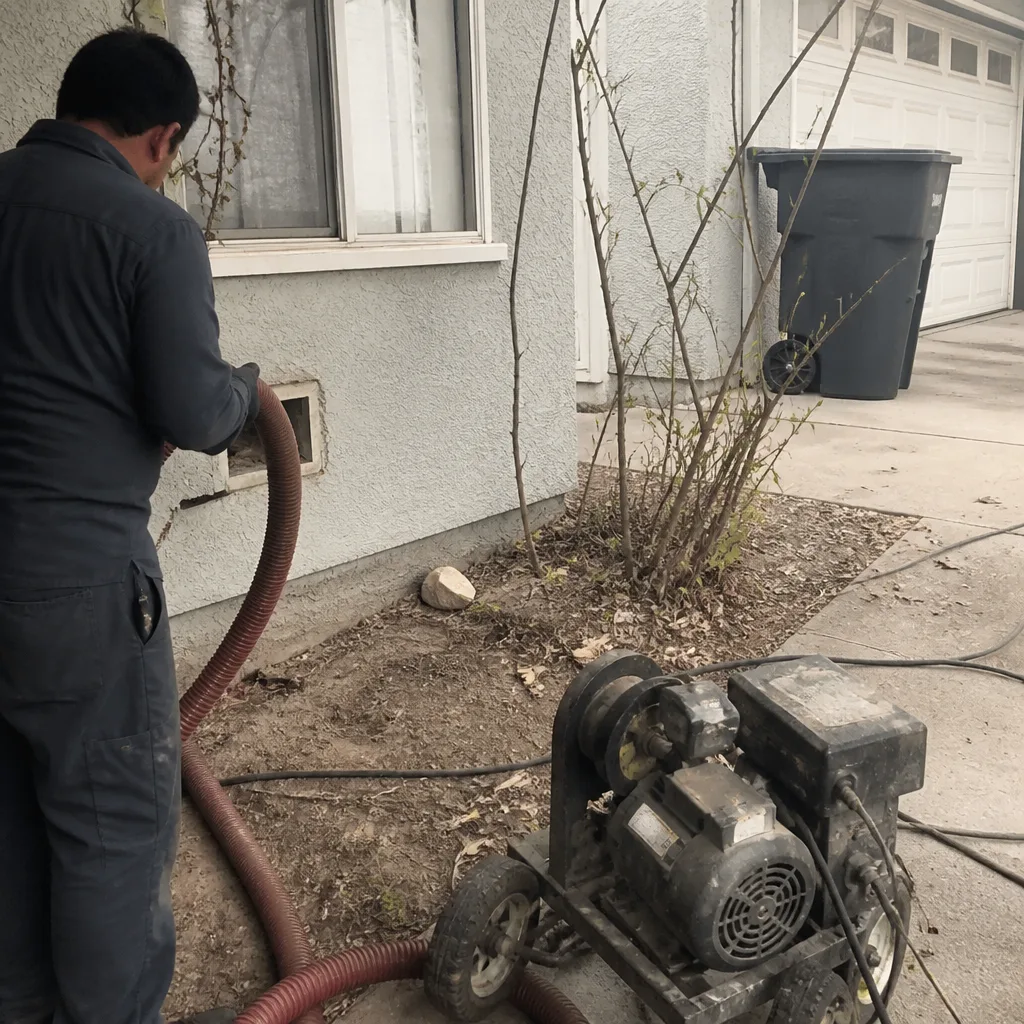 Before
 After
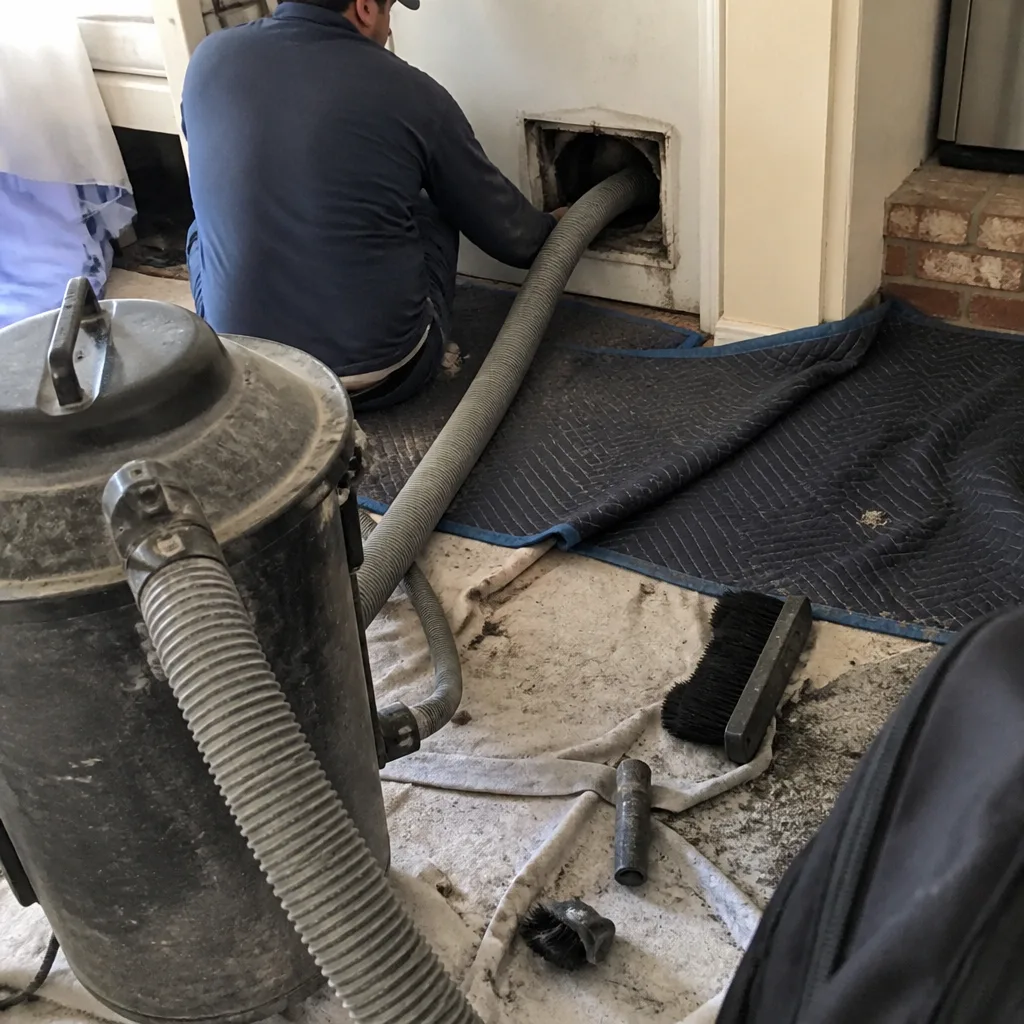 Before
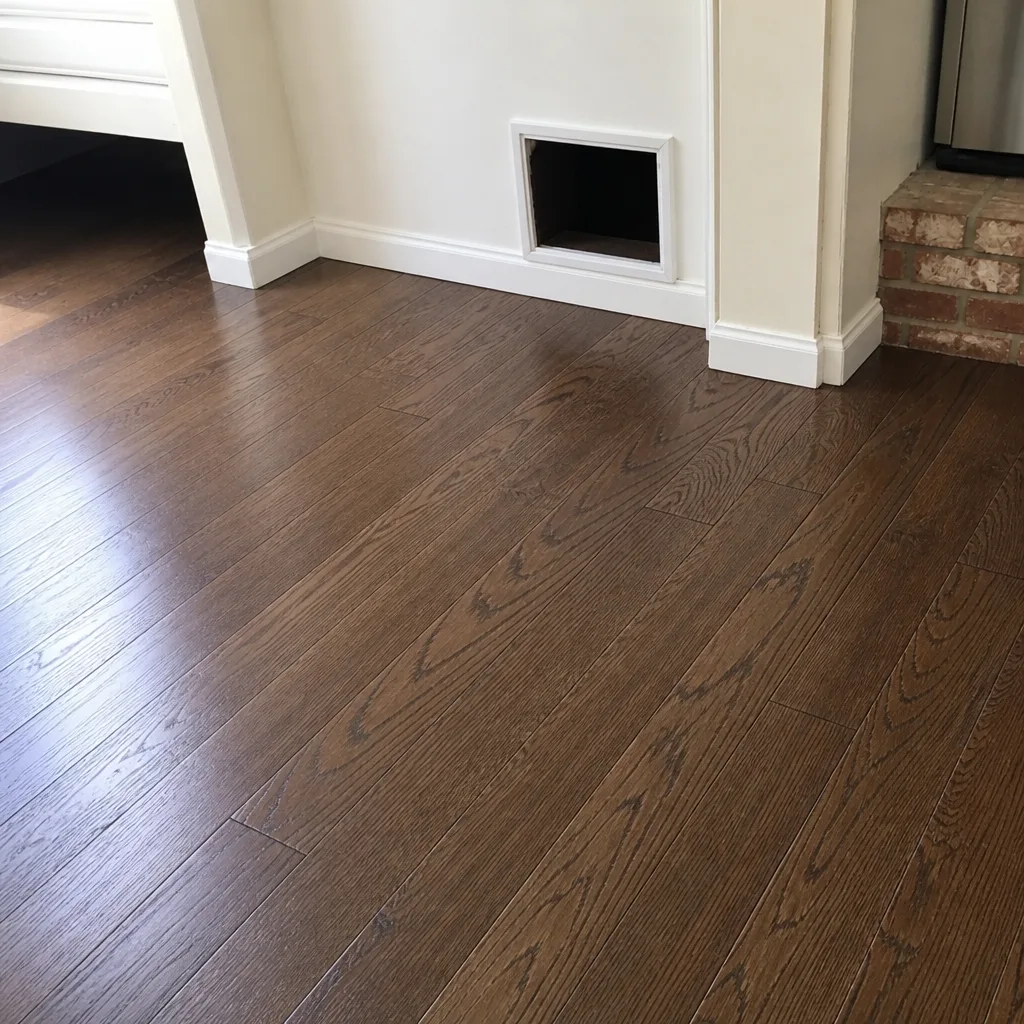 After
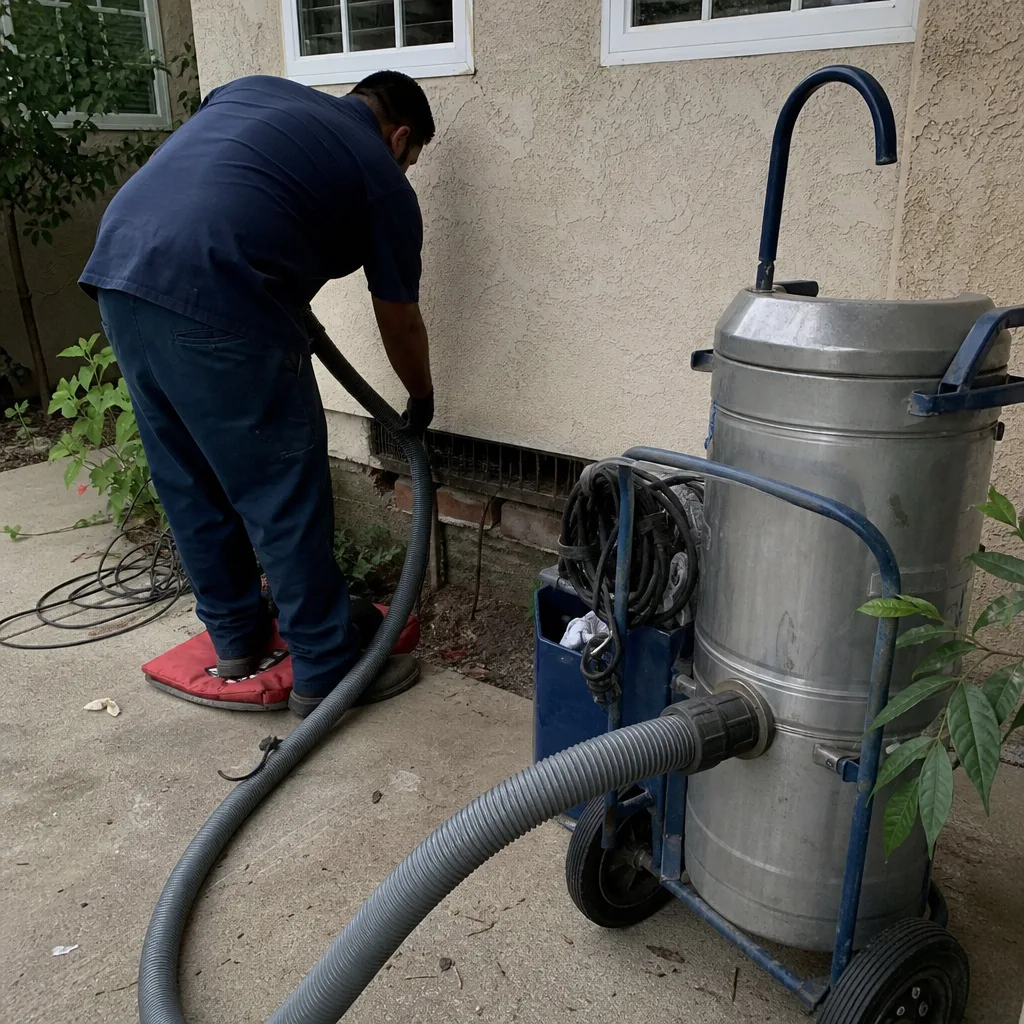 Before
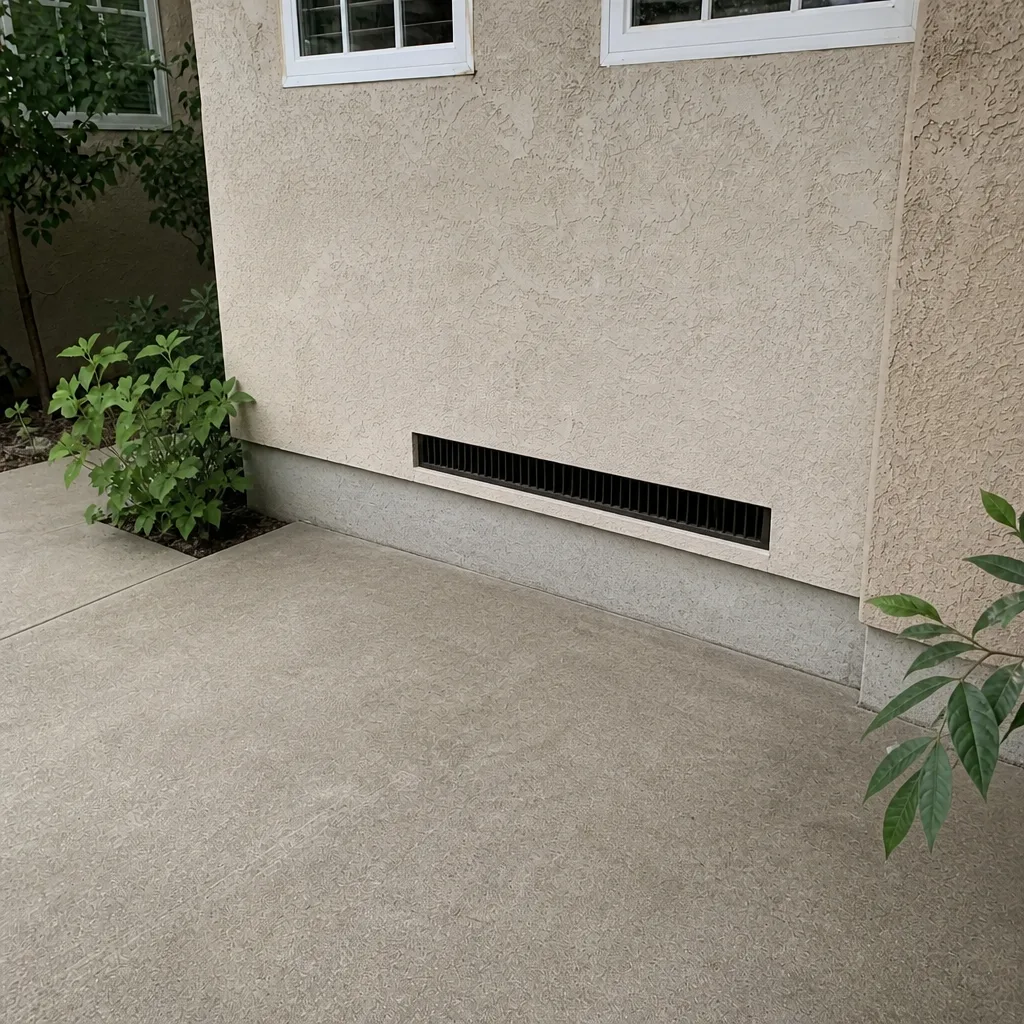 After
When to Call a Professional
Some signals are safe to watch for a few weeks. Others deserve a call now. Call a professional if you see: visible mold, discoloration, or fibrous debris inside a duct; any persistent musty, chemical, or burning smell; a return of heavy dust within days of cleaning; a duct run you can see is sagging, kinked, crushed, or disconnected; deterioration in duct wrap or fiberglass lining on an older home; a dryer that runs hot or takes more than one cycle to dry a load; or stubborn uneven temperatures despite healthy equipment. The cost of an inspection is far lower than the cost of ignoring a real problem. If you’re dealing with a warning sign that fits this list, our team at Air Duct Cleaning Eagle Rock can help. We offer free estimates in Eagle Rock: call (855) 683-8612.
Frequently Asked Questions
Most homes don’t need a fixed schedule; they need cleaning based on conditions. If you have pets, allergies, recent remodeling, water intrusion, or visible warning signs from this guide, sooner is better. If none of those apply and your system has been properly maintained, cleaning every several years is usually plenty. If the signs in this guide don’t fit, you probably don’t need the service yet, and we’d rather tell you that than sell you a cleaning you don’t need.
Air duct cleaning for a whole-home system typically depends on system size, number of runs, access, and whether repair, sealing, or sanitizing is added. We quote per job with a flat price per system agreed before work starts, and the written estimate sets the final price. Call (855) 683-8612 for an exact quote; estimates are free.
Cheaper quotes typically mean less scope: registers only instead of the full system, no containment or filtration equipment, no plenum cleaning, no documentation, and no follow-up on problems found during the job. The lower number reflects less work being done. Ask four questions (equipment, scope, repair-and-seal, documentation) and the gap almost always explains itself. We clean the whole air path, and our quotes reflect that scope.
The most reliable answer is documentation: before-and-after photos of the runs, registers, plenum, and air handler. If you didn’t see it happen, photos are the proof. Any reputable provider should be comfortable providing them. Our technicians can document the before-and-after state of your system on request. Call (855) 683-8612 to discuss what documentation comes with your estimate.
Not necessarily, and anyone promising that is overselling. Duct cleaning removes accumulated contamination and helps when the system is the dominant source of indoor irritants. If your symptoms track outdoor air quality more than time at home, the fix likely involves filtration and other measures rather than a cleaning. The allergy-pattern section above walks through how to tell the difference, and our team can help you interpret what you’re seeing at home.
You can safely clean the visible faces of your registers with a damp cloth and you can change filters. Anything involving the inside of the ducts themselves (especially in older homes with flex, wrap, or fiberglass-lined runs) is not a DIY category. Disturbing those materials incorrectly can release more particles into the air, and identifying wrap materials is a professional task. For a look inside the system, book an inspection rather than attempting the cleaning yourself.
A smell alone is a legitimate reason to have the system inspected. It often points to a moisture source or contamination that will only get worse. It’s better to identify the cause than to keep spraying air freshener over it. Call (855) 683-8612 to book an inspection; the estimate is free.
The Bottom Line
Most duct problems don’t announce themselves. The readable signals are the ones in this guide: debris inside the duct collar rather than dust on the register face, a utility bill that creeps up without a reason, a smell your nose has stopped noticing, symptoms that track your system rather than the outdoors, uneven temperatures that don’t fit a unit problem, and older-home specifics like sagging flex, deteriorating wrap, or failing fiberglass lining. Treat the list as a recognition tool, not an alarm. If you see the signs, get an inspection and a quote. Then clean the whole system, repair and seal what needs it, and check the dryer vent too. Call (855) 683-8612. Our technicians have up to 14 years of experience, and the estimate is free. We answer 24/7. Fast dispatch from 7am to 7pm, Sunday through Friday.
Written by the team at Air Duct Cleaning Eagle Rock.