
Last updated November 22, 2026
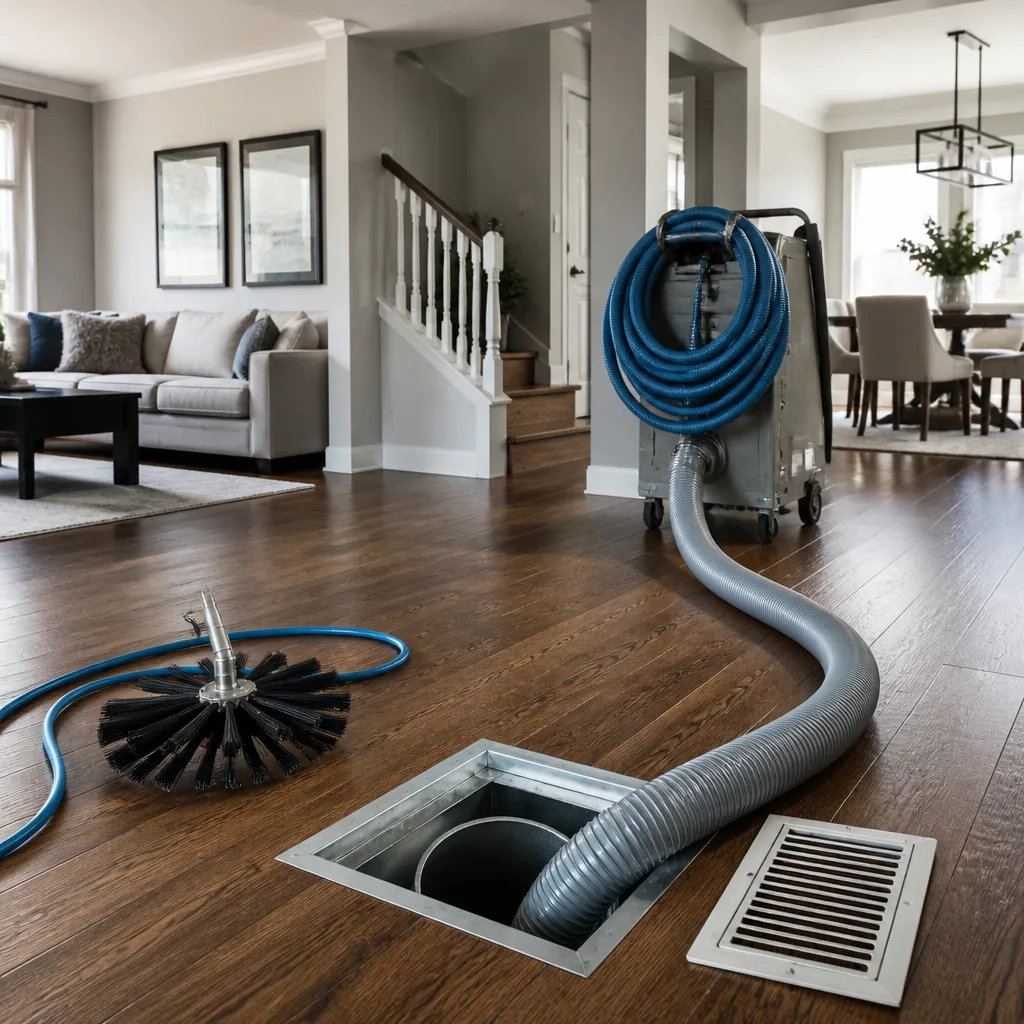 Whole-home duct cleaning
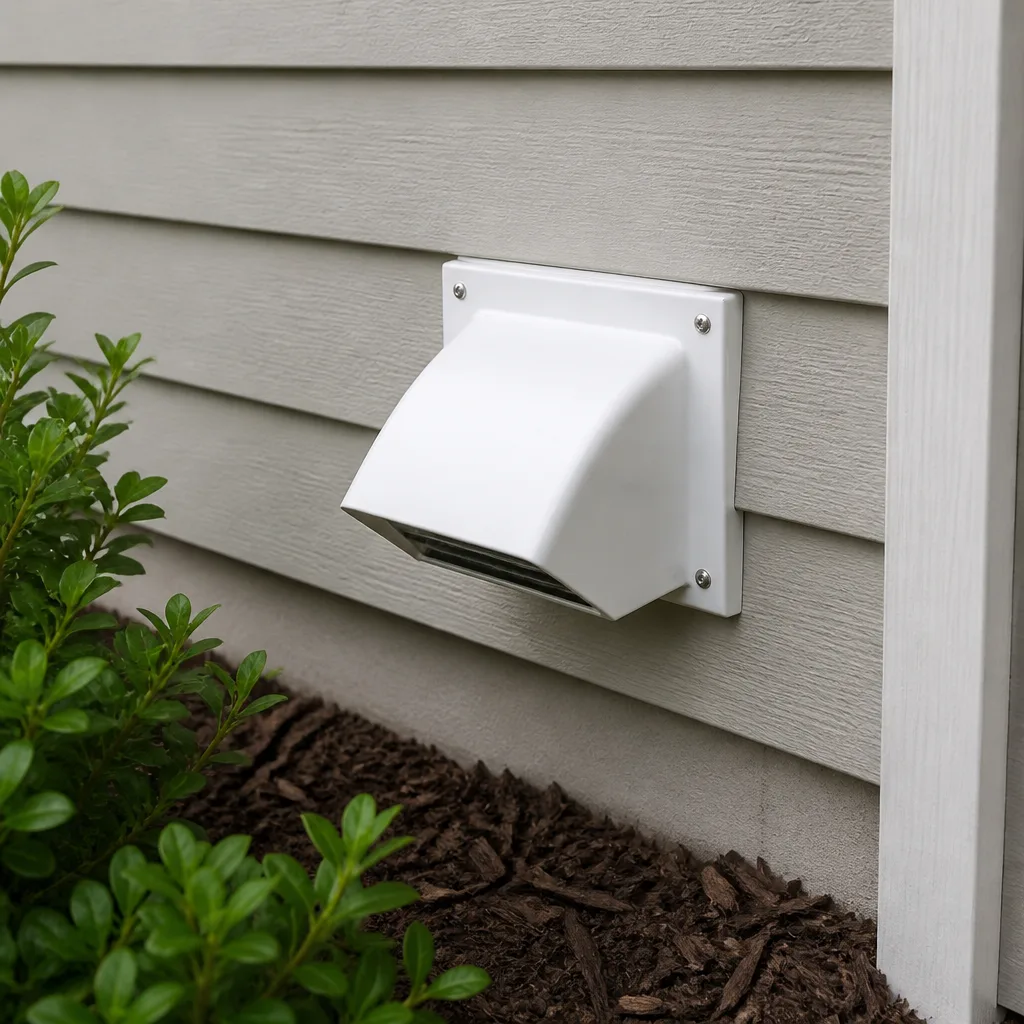 Dryer vent cleaning
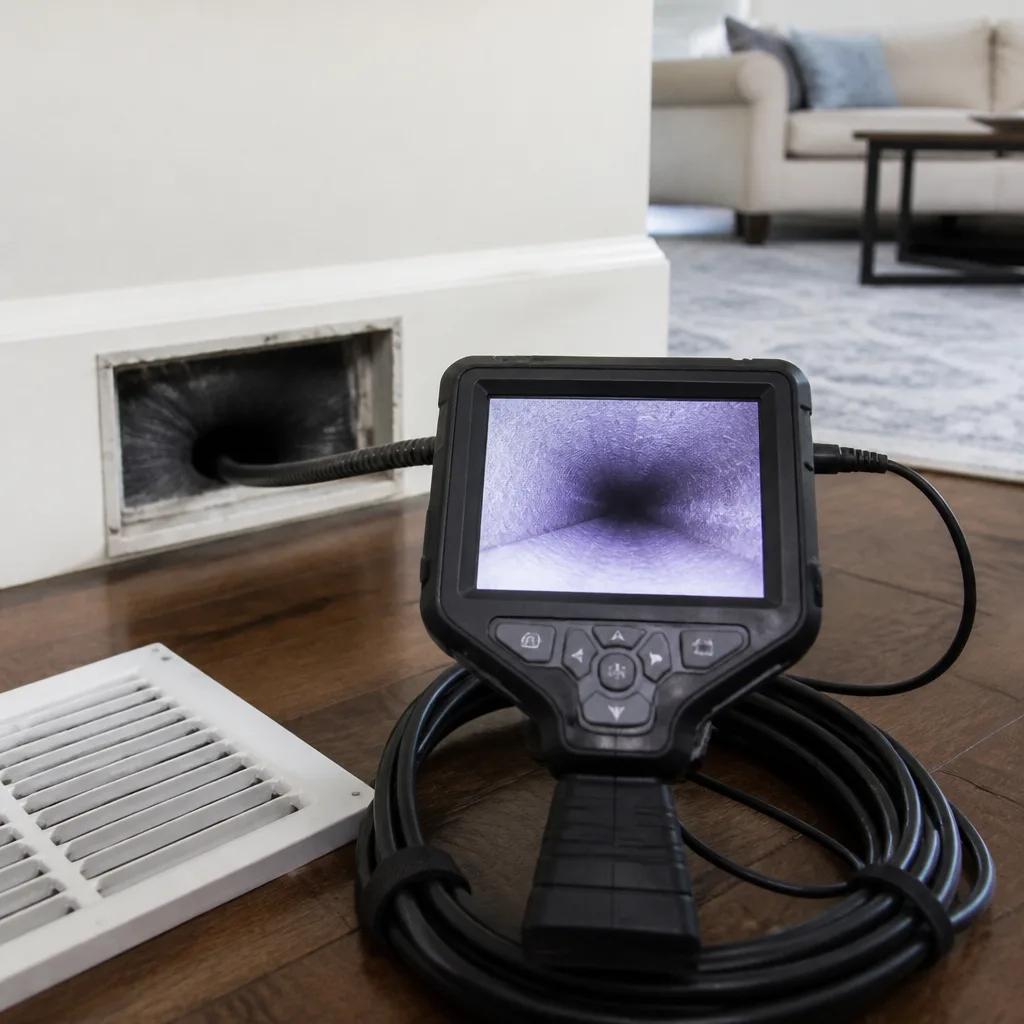 Camera inspection
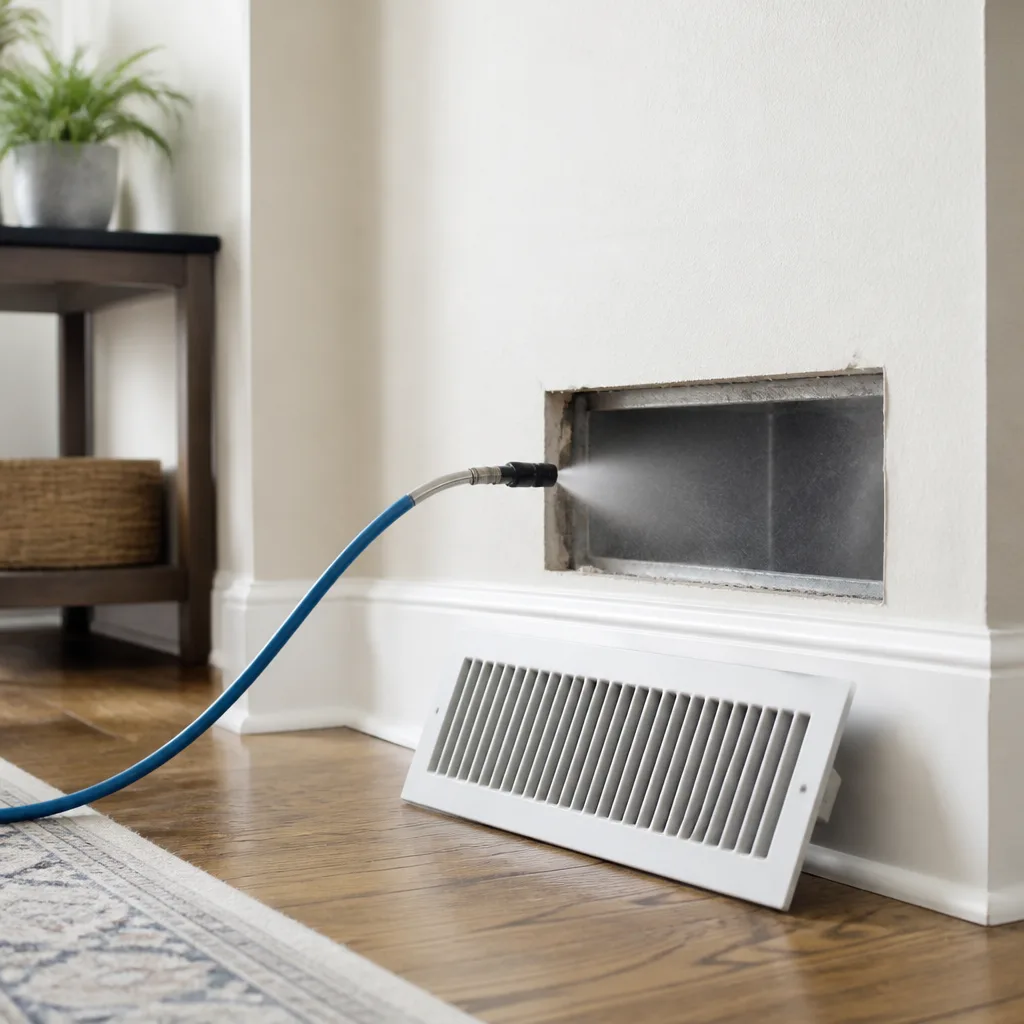 Sanitizing & deodorizing
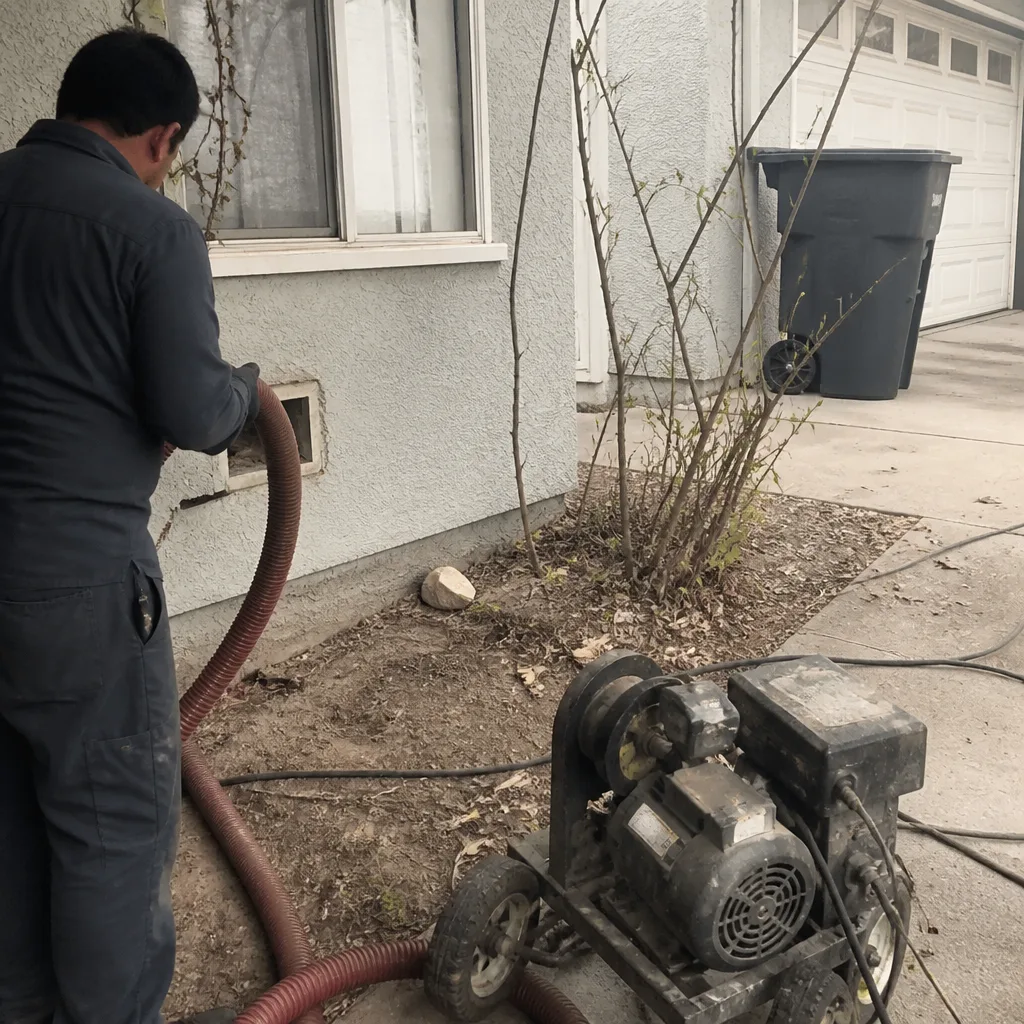
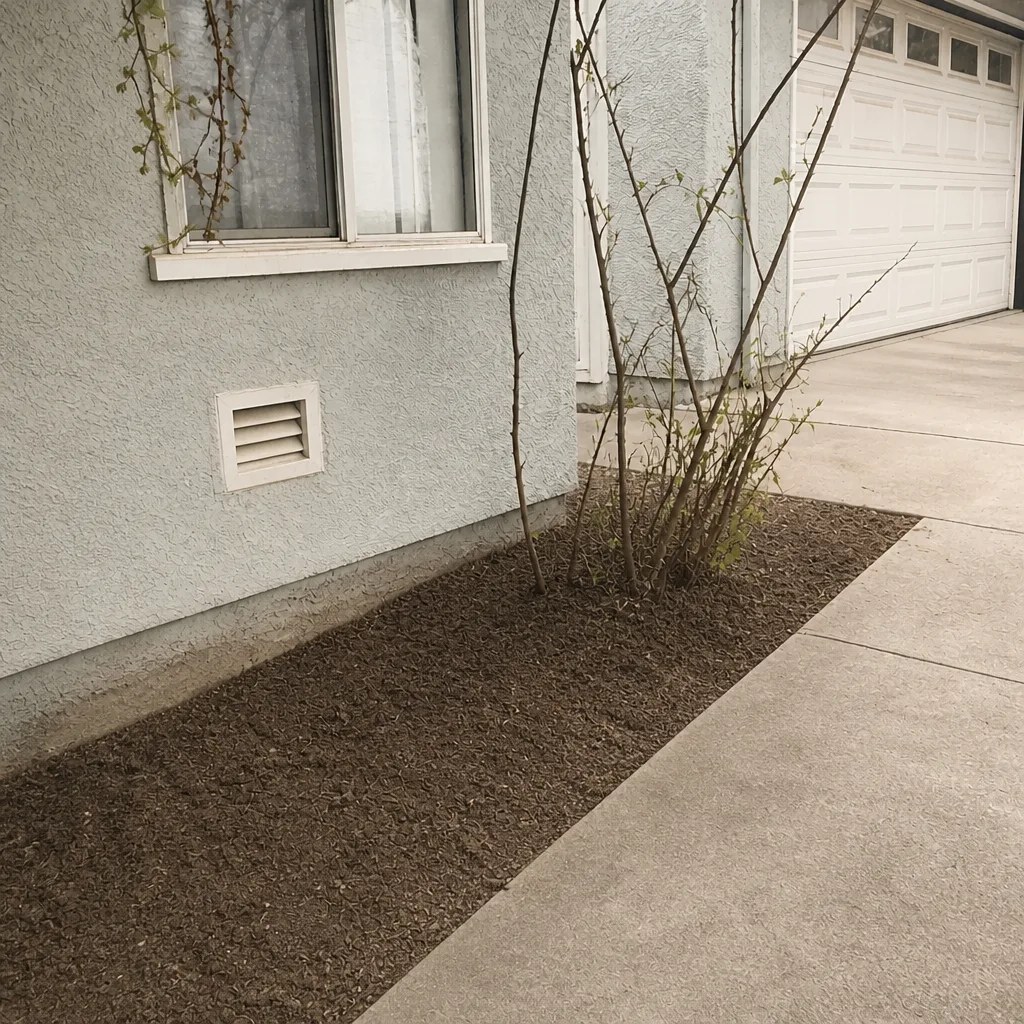
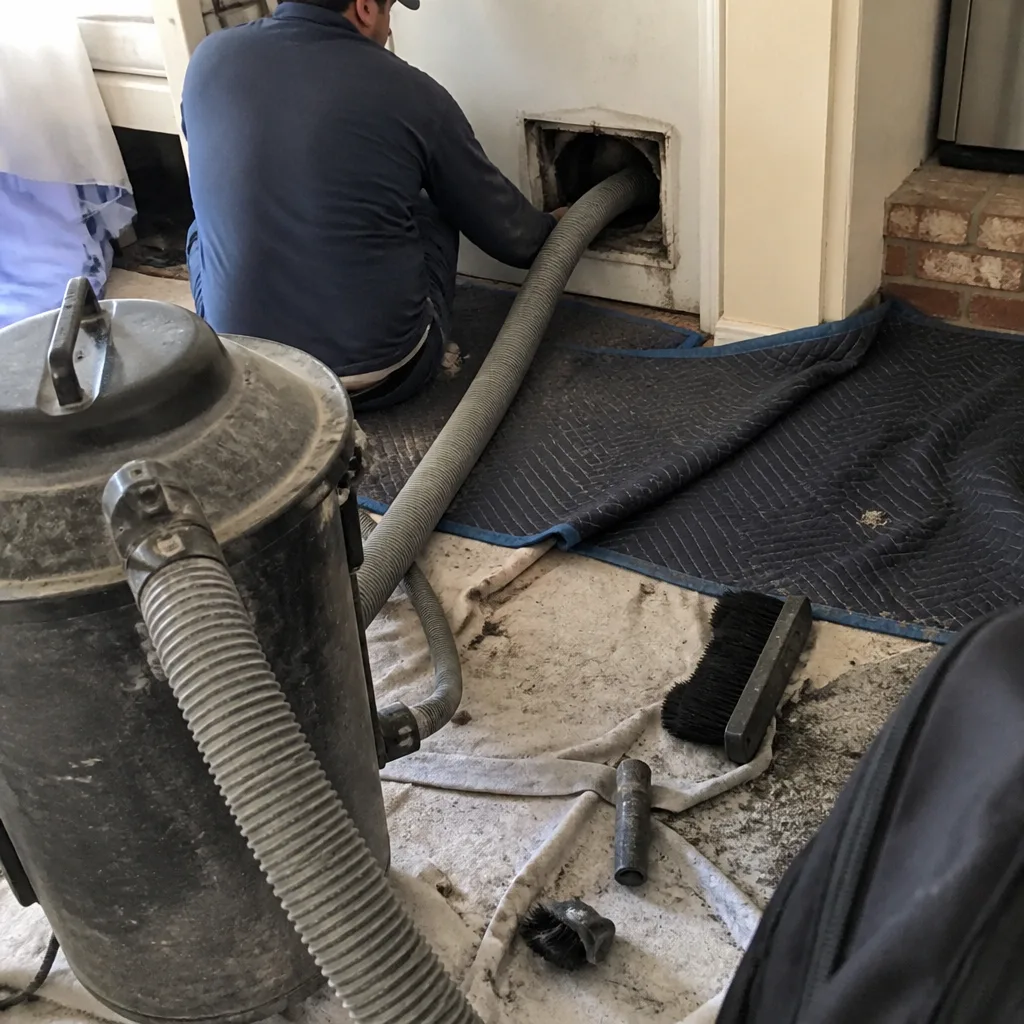
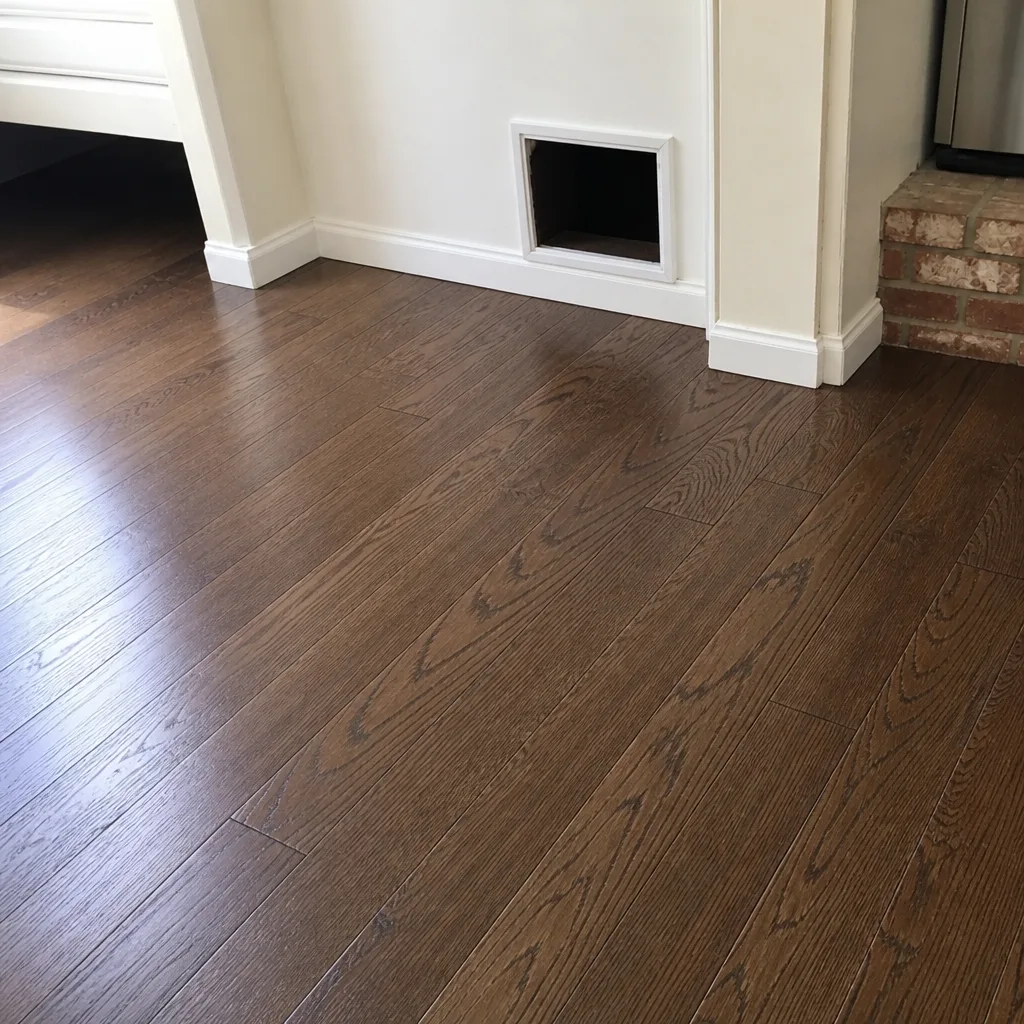
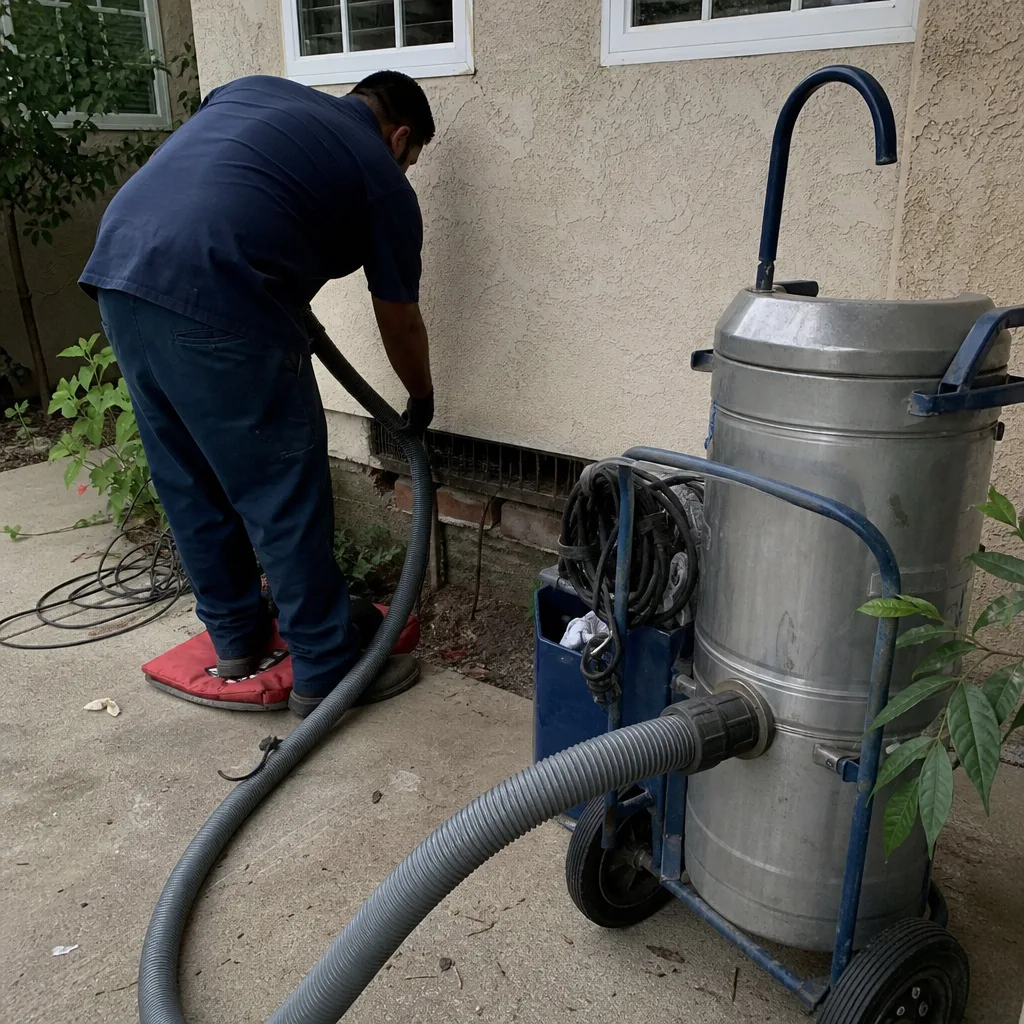
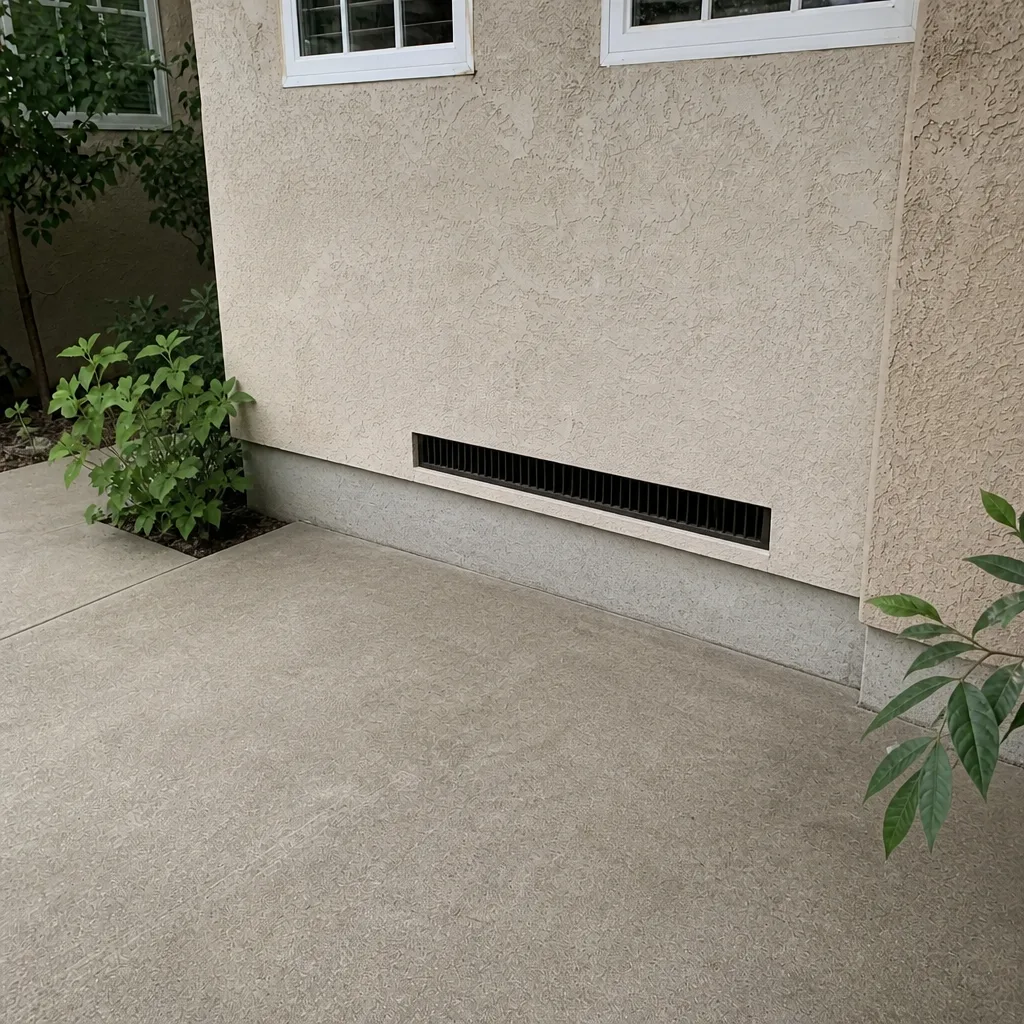
Whole-system duct and dryer vent check with before-and-after photos - you see exactly what came out of your vents
That "$99 whole-house special" is a bait ad - the real number appears once they are in your hallway, or the "clean" is a shop-vac at the register. We photograph the inside of your ducts before and after instead.
DIY vs Professional Air Duct Cleaning: The Eagle Rock Homeowner’s Decision Guide
Most homeowners asking about DIY duct cleaning are really asking a different question: can my shop vacuum actually do what that truck-mounted machine does? The honest answer sits in one number. A consumer kit and a shop vacuum pull roughly 150 CFM of suction. A professional negative-pressure system like the Nikro GP4000 pulls 2,000 to 5,000 CFM. That gap decides whether you’re removing debris from your ducts or just stirring it into the air you breathe. This guide gives you a real equipment and access comparison for an Eagle Rock home, shows which jobs you can safely handle yourself, and explains where DIY quietly makes the problem worse.
Quick Answer
Professional duct cleaning wins in nearly every Eagle Rock home because consumer equipment can’t generate the negative pressure needed to pull debris out of the system, and hillside and attic-dominant duct layouts block DIY access to most of the duct run. You can legitimately handle register dust and filter changes yourself. Mold, fiberglass liner debris, pest contamination, and any repair or sealing work need professional containment and source removal.
Styles & brands we work with
- Whole-home duct cleaning
- Dryer vent cleaning
- Camera inspection
- Sanitizing & deodorizing
Table of Contents
- The CFM gap: what suction really means
- The access problem in Eagle Rock duct layouts
- What a homeowner can safely do
- When DIY makes contamination worse
- Total cost: DIY vs professional
- What professional equipment actually does
- A step-by-step decision process
- Common mistakes to avoid
The CFM Gap: What Suction Really Means for Your Ducts
Negative pressure is the entire engineering principle behind source-removal duct cleaning. You seal the system, put it under vacuum, and use air agitation inside the ducts so loosened debris travels toward the vacuum instead of into the living space. That only works when the vacuum is strong enough to overcome the resistance of the duct run and the agitation you’re applying.
A shop vacuum creates about 150 CFM at the hose and loses most of that within a few feet of duct. A consumer dryer-vent brush kit uses a flexible rod plus a small vacuum attachment, which stirs debris but creates almost no system pressure. A professional truck-mounted or portable negative-pressure unit like the Nikro GP4000 generates 2,000 to 5,000 CFM while maintaining strong static pressure at the duct connection point.
Here’s the practical difference:
| Equipment | Suction (CFM) | What it can actually do |
|---|---|---|
| Shop vacuum + hose | ~150 | Pick up dust near the register opening |
| Consumer dryer-vent kit | ~150 | Loosen lint and light dust in a short run |
| Rotobrush rotary brush system | Professional grade | Agitate and capture debris along the duct wall |
| Nikro GP4000 negative-pressure unit | 2,000 – 5,000 | Source removal across the full duct system |
Static pressure matters as much as raw CFM. A high-CFM machine on a poorly sealed system just pulls air through the easiest openings. Professional work involves sealing registers, creating one entry point, and pulling the whole system into a controlled vacuum. Without that containment, you’re moving dust around inside the ducts. In an Eagle Rock home with a long attic run and multiple branches, that’s the entire game. We can’t build that negative pressure with consumer tools, and neither can you.
The Access Problem in Eagle Rock Duct Layouts
Eagle Rock sits on hillsides and folds of older Los Angeles residential land, and that geography shapes how ductwork runs. Homes here are often split-level or stepped, with ducts routed through attics, crawl spaces, and short vertical chases that follow the slope of the lot. Many were built and remodeled across several decades, which means duct layouts get added to and re-routed over time.
What that means for anyone attempting DIY:
- Attic-dominant runs sit above living space, often behind insulation and roof decking, with few accessible clean-outs.
- Short vertical chases in hillside homes give you a rod-length or two before you hit an elbow you can’t pass.
- Branch lines serving additions or remodeled rooms often reconnect in ways that aren’t obvious from the register side.
- Flexible duct sections sag and kink, and a consumer brush can snag inside without you knowing.
In practice, most DIY attempts reach less than 20% of duct surface area. You clean the register boot and the first few feet of a straight run, and the rest of the system – elbows, plenum connections, and the run feeding the farthest room – goes untouched. For an Eagle Rock home with a duct run weaving through an attic, that clean-up is surface work on a system-wide problem.
Professional access solves this with camera inspection, rotary agitation tools on flexible shafts, and entry points cut through registers or duct connections as needed, then sealed afterward. That’s a skills-and-equipment question, not a determination question.
What a Homeowner Can Safely Do
Some duct and air-handling tasks genuinely belong on a homeowner’s list. These are the jobs where consumer equipment matches the job.
- Clean the supply and return registers. Remove the grille, wipe it down, vacuum the visible boot area with a brush attachment, and reinstall. That’s meaningful dust reduction at the point where air enters the room.
- Change the furnace filter on schedule. This is the single highest-impact maintenance task in the system. A clogged filter is often what a homeowner thinks is a dirty duct problem.
- Brush out a short, straight dryer vent run. If the vent exits the wall directly behind the dryer with one short, straight section and no elbows, a consumer vent brush can remove lint. Anything with an elbow, a long run, or a roof exit needs professional work.
- Vacuum around the air handler and return. Dust accumulation around the unit pulls into the system. Cleaning the area is low-risk and effective.
- Inspect for visible problems. Look for disconnected flex duct in the attic, water staining near registers, or musty odor. Catching these early is genuinely useful.
Compare that with the tasks that require containment and negative pressure: the inside of the duct run, the plenum, the trunk lines, the blower compartment, and the evaporator coil housing. Those need professional scope. When the job is done right, our air duct cleaning work includes all of that, not just the vents you can reach.
When DIY Makes Contamination Worse
Stirring debris inside a sealed duct system without a vacuum to capture it sends that debris into the airstream and out into the rooms. In homes with certain conditions, the result is a measurable step backward for indoor air quality. Here’s where we’d firmly steer you away from consumer cleaning:
- Mold inside the ductwork. Agitation without containment releases spores into every room the system serves. Mold needs a professional assessment of the moisture source, and often sanitizing with a product like Guardsman-grade finishing solutions once the source is corrected.
- Fiberglass liner debris. Older ductboard and lined ducts can break down internally. Consumer brushing accelerates that breakdown and pushes glass fibers into the air. This is a repair-and-seal issue, not a cleaning issue.
- Pest contamination. Rodent droppings, nesting, and insect debris carry real health risk. Dry brushing aerosols that material. Containment with HEPA filtration, like what Abatement Technologies equipment provides, is the right approach.
- Heavy, settled debris in a return trunk. A shop vacuum pulls visible dust but leaves the compacted material at the bottom of the run. Cleaning around it doesn’t clear it.
- Disconnected or crushed flex duct. If the duct is separated, DIY cleaning sends debris into the attic, not out of the home. The system needs repair and sealing before cleaning makes sense.
In each of these cases, the DIY attempt increases the contamination load or displaces the problem. That’s not a failure of technique. It’s a physics problem the equipment can’t solve.
Total Cost: DIY vs Professional in Eagle Rock
Homeowners often frame the decision as “professional cost vs free DIY.” That comparison leaves out the pieces that change the math.
DIY costs to tally honestly
- Equipment purchase or rental. A shop vacuum and duct brush kit run $80 – $200 purchased. A rotary brush attachment adds $30 – $60. Rental of a stronger vacuum adds a daily rate on top.
- Time. A serious DIY attempt on a multi-branch Eagle Rock home runs a full day or two, and reaches a fraction of the system.
- Follow-up professional job. In our experience, most homeowners who attempt a full DIY clean end up booking a professional job within a year anyway, often at a larger scope because the duct condition got worse.
- Damage risk. A snagged brush in flexible duct can tear the liner. That’s a repair cost no DIY attempt accounts for.
Professional cost range
Typical professional air duct cleaning in Eagle Rock runs $350 – $650 for a standard single-system home, with full HVAC cleaning and repair scope landing higher. That’s an estimate, not a fixed number. The written estimate sets the final price per system, so you know the number before the work starts. That first-visit scope usually includes:
| Service scope | Typical range | What’s included |
|---|---|---|
| Duct cleaning, standard home | $350 – $650 | Supply and return, register boots, plenum |
| Full HVAC cleaning | Higher, by estimate | Blower, coil housing, full air-handling system |
| Duct repair and sealing | By estimate | Disconnected or leaking duct, mastic sealing |
| Dryer vent cleaning | By estimate | Dedicated fire-safety scope, separate from duct work |
That $350 – $650 covers one visit, verified with before-and-after photos of your own ducts. Counting the DIY path by the time, the equipment you buy and never use again, and the probability of a follow-up professional job anyway, the honest total is often higher than the professional estimate.
What Professional Equipment Actually Does
Here’s what a full-scope professional job looks like, in order, so you can compare it directly with what a consumer attempt can achieve.
- System inspection and containment setup. We seal registers and create a single vacuum entry point. This is the step that makes everything else work. Without it, nothing downstream removes debris from the home.
- Negative pressure. A Nikro GP4000-class unit pulls 2,000 to 5,000 CFM and puts the whole duct system under vacuum.
- Rotary agitation inside the duct. Rotobrush rotary brush technology breaks debris off the duct wall so the vacuum can capture it. This is the tool that reaches the full duct surface, not just the register boot.
- Full HVAC scope. The blower compartment and coil housing are part of the same connected system. We clean the system, not just the vents, and that whole-system scope is the difference between surface cleaning and real cleaning.
- Post-clean sanitizing and air-quality treatment. Honeywell and Aprilaire systems integrate into the finishing step for indoor air quality improvements that extend beyond duct work.
- Repair and sealing. If we find disconnected, crushed, or leaking duct, we repair and seal it. Cleaning around an integrity problem just recontaminates the system.
- Dryer vent cleaning. This is a dedicated, separate service. Dryer vent lint is a fire risk, and we treat it as its own scope, not a tack-on.
Two more pieces matter: before-and-after photos of your own ducts, so you can verify the work was actually done, and equipment that comes from brands used in commercial and restoration work, not consumer-grade machines. When a technician shows you a photo of your own ductwork before and after, you’re not trusting a pitch. You’re looking at the evidence.
Duct Repair and Sealing: The Task DIY Can’t Touch
One of the biggest gaps between DIY and professional work isn’t cleaning at all. It’s repair. Duct systems leak. Disconnected flex, failed tape, and gaps at the plenum connection leak conditioned air into the attic, which drives up energy bills and pulls untreated attic air into the system.
Consumer cleaning can’t diagnose a leak, and it can’t repair one. A professional scope identifies the failure and seals it with mastic or proper connector systems. That repair and sealing piece is often where the real energy savings live. In hillside Eagle Rock homes with attic routing, a leaky run into a hot attic is common, and sealing it makes the cleaning last longer because the system stops pulling new dirt in.
If you want the whole-system picture, our HVAC cleaning covers the air-handling side that most homeowners never see, and it’s the piece that pairs directly with duct repair. Homeowners in Eagle Rock who’ve had one system professionally cleaned and sealed know the difference. The house feels different afterward, and the filter stays clean longer.
A Step-by-Step Decision Process
Use these steps to choose the right path for your home.
- Check your filter first. If the filter is clogged, replace it. A dirty filter mimics a dirty duct system and costs almost nothing to fix.
- Look at your registers. Heavy dust on the grille and boot means register-level cleaning can help. Dust deeper in the run points to a system-wide problem.
- Notice the smell. A musty or dusty odor when the system runs suggests moisture, mold, or contamination that DIY will worsen. Stop here and call for an assessment.
- Consider your duct layout. If the ducts run through an attic or crawl with limited access, DIY reach is short. If the runs are short and accessible, register-level cleaning may be enough.
- Check for visible damage. Disconnected flex, water staining, or crushed duct needs repair and sealing, not cleaning. That’s a professional scope.
- Weigh the total cost. Add up equipment, rental, time, and the probability of a follow-up professional job. If that total is near the professional estimate, go professional.
- Get a written estimate. Any legitimate professional job comes with one flat price per system before work starts. No per-vent pricing, no surprise invoice once the technician is on site.
If you want to also handle the fire-risk side of the home, our dryer vent cleaning covers the vent run separately. It’s the one duct type where lint buildup is a genuine safety issue, and it’s a distinct job from air-quality duct work.
Common Mistakes to Avoid
- Assuming a shop vacuum equals a duct cleaning. It doesn’t. It pulls around 150 CFM, and the professional standard is 2,000 to 5,000 CFM. If you’re relying on that vacuum, you’re reaching a small fraction of the system.
- Brushing mold or pest debris without containment. Agitation without a sealed negative-pressure system sends spores and droppings into your rooms. Stop when you find either, and call a professional.
- Cleaning dirty ducts before repairing disconnected flex. If the duct is separated, cleaning pushes debris into the attic and the system recontaminates. Fix first, clean second.
- Buying every consumer duct kit once. Most homeowners buy the shop vacuum and the brush kit, use them once, and end up booking a professional job anyway. That’s the DIY cost stacking up.
- Judging the job by register appearance. Clean registers tell you almost nothing about the duct run behind them. Ask for before-and-after photos of the duct interior.
- Treating dryer vent cleaning as a duct job. Dryer lint is a fire risk with its own cleaning method, and doing it wrong can damage the vent run. In an Eagle Rock home with a long roof-exit or elbow-heavy vent, this needs a professional scope.
- Using a long brush on a ductboard run. Aggressive brushing can break down the interior liner and spread fiberglass debris into the system. This is a case where a repair-and-seal scope is the real answer, not a cleaning.
See the difference
 Before
 After
 Before
 After
 Before
 After
When to Call a Professional
Call a professional when the ductwork is dirty beyond the register level, when you find mold, pest debris, or fiberglass liner damage, or when you’re not sure the system is intact. Call if your filter clogs faster than it should, if you notice musty smell when the HVAC runs, or if you see disconnected or crushed flex duct in the attic. Call before moving into a home where the ductwork history is unknown. Air Duct Cleaning Eagle Rock offers free estimates in Eagle Rock. Call (855) 683-8612. We answer 24/7, with fast dispatch from 7am to 7pm, Sunday through Friday. If you’re comparing options, understand what the estimate covers: whole-system scope with one flat price per system, and before-and-after photos you can verify.
Frequently Asked Questions
A typical professional air duct cleaning on a standard single-system Eagle Rock home runs $350 – $650, and full HVAC cleaning with repair and sealing scope lands above that, priced by the written estimate. The estimate is free, and the number you get is one flat price per system, agreed before work starts. Call (855) 683-8612 for an exact quote. Estimates are free.
No. A shop vacuum pulls roughly 150 CFM, while professional negative-pressure equipment pulls 2,000 to 5,000 CFM. The gap means a shop vacuum reaches register-level dust but doesn’t create the system pressure needed to remove debris from the duct run itself. You can clean the registers; the duct interior needs professional scope.
Low quotes usually cover only the visible vents and skip the containment, negative pressure, and full-system scope. A low per-vent price that balloons on site is the classic bait-and-switch model. Real whole-system cleaning includes the plenum, trunk, and every branch, and it comes with one flat price per system you agree to before work starts. Call (855) 683-8612 for an honest, whole-system estimate.
Ask for before-and-after photos of your own ducts, not stock images. A professional job includes those photos as part of the scope, and they show the duct interior at each stage. Combined with a written scope and flat price per system, that’s how you verify the work matches what you paid for. Call (855) 683-8612 to book an estimate and see the scope in writing.
Most homes do fine with professional cleaning every few years, and many go longer. Homes with pets, recent remodeling, allergy-sensitive occupants, or visible dust at the registers need it more often. In Eagle Rock, hillside attic duct runs collect more dust than short, accessible runs, so those homes tend to need cleaning on the shorter end. Call (855) 683-8612 and we’ll help you judge the timing for your system.
It can. Agitating mold, pest debris, or fiberglass liner dust without sealed negative-pressure containment sends that material into the airstream and into the rooms. If you find any of those conditions, stop and get a professional assessment. Otherwise, register cleaning and filter changes remain safe homeowner tasks. Call (855) 683-8612 if you’re not sure which situation you’re in.
The Bottom Line
The DIY vs professional question comes down to equipment, access, and containment. Consumer tools pull about 150 CFM, reach less than 20% of duct surface area in a typical Eagle Rock hillside or attic layout, and can make mold, pest, or liner contamination worse. Professional scope brings 2,000 to 5,000 CFM of negative pressure, rotary agitation, full-system cleaning, repair and sealing, and before-and-after photos you can verify. Handle your registers and filters yourself; leave the duct interior and any repair work to a trained professional. Free estimates in Eagle Rock. Call (855) 683-8612. We answer 24/7, with fast dispatch from 7am to 7pm, Sunday through Friday. One flat price per system, agreed before work starts.
Contact Us
If you’re weighing DIY against a professional clean for your Eagle Rock home, get a written estimate first so you’re comparing real numbers. Our scope covers duct cleaning, dryer vent cleaning, full HVAC cleaning, duct repair and sealing, and air quality and sanitizing. Visit our Air Duct Cleaning Eagle Rock page to see the full service menu and the equipment behind it. Call (855) 683-8612 for a free estimate. We answer 24/7, with fast dispatch from 7am to 7pm, Sunday through Friday. The technician is licensed and insured as their state requires, and you’ll see one flat price per system in writing before any work begins.
Written by the team at Air Duct Cleaning Eagle Rock.